




























How to Cut Concrete Pavers: The Rundown on the Best Tools

Want to give your outdoor surface that pro-level finish? It all comes down to one key skill: cutting concrete pavers like you know what you're doing. Sure, getting those razor-sharp edges and perfectly straight lines might look intimidating at first, but here's the thing—it's totally doable once you know the right approach. You've got plenty of options too, from basic hand tools that'll handle the small stuff to heavy-duty power saws that can tackle the big jobs.
Whether you're a weekend warrior taking on your first DIY project or you've been around the block a few times, this guide has got you covered. We're going to walk you through everything—the tools, the techniques, and most importantly, how to stay safe while you're at it. From angle grinders to specialized paver saws, we'll help you figure out exactly what you need to get the job done right. By the time we're done here, you'll be cutting concrete pavers like a seasoned pro and creating installations that look amazing and stand the test of time.
Working with Concrete Pavers and Cutting Requirements
When planning to lay pavers, it's essential to understand the material you'll be using. Concrete pavers are perfect for a driveway, pool deck, or backyard as they are durable and versatile options.
However, you can also work with brick pavers, which can be softer and easier to cut, or even natural stone, which requires completely different techniques. The composition of these materials directly affects the tools and blades you'll need. A thick patio block or dense paving stones will require more power and a different blade than a standard paver patio brick.
When and Why You Need to Cut Pavers
Cutting is a necessary part of any paver patio or retaining wall project. You will often have to cut pavers to fit properly around edges, walls, or other landscaping features. This is ideal for creating borders or intricate designs.
For larger projects, proper planning and measurements are essential. Creating a detailed layout beforehand helps reduce waste and ensures you have a clear plan for each paver piece before you cut the pavers.
Essential Safety Equipment and Precautions
Safety can’t be compromised when cutting any hard material. The dust produced from cutting concrete pavers contains silica dust, which is a hazardous substance and can cause serious health problems if inhaled.
Always wear proper protective equipment. You should 100% have eye protection—bar none. You should also have a high-quality dust mask suitable for filtering out fine particles. For loud power tools like concrete saws (demolition saws), hearing protection is also a must, so be sure to wear ear protection.
Set up your work area on a level surface away from other people, pets, and open windows. A well-prepared work surface is important. Consider using anti-slip mats to protect your work, especially for small cuts. Proper dust control is also an important factor in the workplace. A wet cutting system is the best way to control dust, but if you are dry cutting, make sure you are in an open, well-ventilated space.
Essential Tools for Cutting Concrete Pavers
Choosing the right tool is essential for efficient, high-quality cutting.
Selecting Power Tools
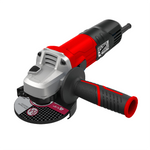
For most DIY projects and small jobs, an angle grinder is often the best choice. With the right blade, it's a versatile and powerful tool for making a variety of cuts. For larger projects, a concrete saw or paver saw—often called a cut-off saw—is the professional standard. These power tools are designed for long-term, heavy-duty work.
Other options include wet saws or specialty masonry saws for precise, water-cooled cuts, and dry saws for quick, on-the-spot cuts. You can also find specialty saws for these jobs from retailers like Home Depot.
Blade Selection and Quality
The secret to a clean cut is using a high-quality diamond blade. For general-purpose paver cutting, a segmented diamond masonry blade is an excellent choice. For clean cuts with minimal chipping, a continuous rim diamond blade is often the ideal option.
Always make sure your blade is the right fit for your tools and material. The wrong blade can lead to a bad cut or, worse, a safety hazard. For high-quality options, consider diamond blades from reputable brands like Benchmark Abrasives.
Manual Cutting Tools
For a few cuts or to make shallow cuts before breaking, using a masonry chisel and hammer is a traditional and effective method. This chisel method is excellent for making precise cuts on a single paver. You can also use a hammer and a cold chisel to break a paver after scoring it with a hand tool or grinder.
Related Article: How to Sand Concrete
Cutting Methods and Techniques: Step-by-Step Process
Before cutting, use a tape measure to take careful measurements. Mark the cutting line on the paver with a pencil or chalk, using a straightedge for a precise, straight line.
Wet Cutting Method
Wet cutting is the preferred method for getting clean cuts with a professional look. This is suitable for cutting both concrete and porcelain pavers.
Follow the easy steps:
- Fill the saw's reservoir with water.
- Mark your cut line.
- To ensure a smooth process, push the paver slowly into the blade while running water. The water cools down the hot blade and minimizes the spread of harmful dust.
- For larger pavers, a table saw-style paver saw can be used.
Dry Cutting Method
Dry cutting is a fast process; however, it can generate a lot of dust. You’ll need an angle grinder or a dry saw.
For dry cutting, follow the simple steps:
- Put on your protective gear.
- Mark your cutting line.
- Make a shallow cut first to create a score line.
- Now, slowly press the blade and cut along the marked line.
Manual Cutting Techniques
When you only need to make a few cuts, the score-and-break method is a perfect option. To start, use a masonry chisel to score the paver along the marked line. Then, position the chisel on that scored line and hit it firmly with a hammer until the paver cleanly breaks. This is an effective way to cut pavers without much dust or noise.
Achieving Professional Results and Quality Control
Whichever method you choose, a steady, consistent speed is key. Don't rush the cutting process. A great way to prevent chipping and uneven cuts is to let the blade do the work. The goal is to make straight, precise cuts every time, which takes a little practice.
Troubleshooting Common Issues
If the edges of your blade are wearing out, the problem is probably a dull blade, or you're applying too much force. For uneven cuts, your blade may be misaligned, or your technique needs improvement. Your skill level will improve with each cut, so don't be discouraged by initial mistakes.
After paver cutting, a quick pass with a rubbing stone or a coarse rasp can smooth out any rough edges and prepare the paver surface for its final placement.
Project-Specific Applications and Tips
For paver patios, you'll often need to make both straight and curved cuts at edges and corners. For retaining walls, you'll need to make precise cuts on every layer, and because of the nature of the work, you'll often use a dry saw for this. For these larger projects, a powerful cut-off saw is often the best tool.
For intricate shapes or holes in pavers (like for drainage), you can use a hammer and chisel as well as more advanced tools like a drill bit attachment on your power drill. Making curved cuts with a small, specialized diamond blade on an angle grinder may also be an option.
Your Path to Perfect Cuts
Mastering cutting concrete pavers is a skill that will elevate the quality of all your outdoor home improvement projects. From using an angle grinder for small jobs to a paver saw for larger projects, the best way to get the job done right is with a combination of proper tool selection, safety awareness, and good technique. Always prioritize safety, use a high-quality diamond blade, and remember that practice makes perfect.
Now that you have the knowledge and a clear understanding of the best tool for each task, you're ready to make those cut pavers look clean, professional, and built to last.
Join Our Newsletter
Sign up to get the latest on sales, new releases and more …Join Our Newsletter
Sign up to get the latest on sales, new releases and more …Shop Categories
Recent Articles
- How to Choose the Right Diamond Blade for Grinder
- Wire Wheels and Brushes: How to Choose the Right One
- How to Deburr Metal Safely and Efficiently
- How to Reduce Heat Discoloration When Grinding Stainless Steel
- How to Achieve a Mirror Finish on Stainless Steel
- A Fabricator’s Guide to Surface Prep Before Powder Coating
- What Causes Burn Marks During Sanding and Grinding, and How to Prevent Them
- Beginner’s Guide to Metal Surface Prep Before Welding
- How to Choose the Right Abrasive Wheel for Your Grinder
- How to Use a Drum Sander: Step-by-Step Guide for Woodworking
Featured Products
-
 746 Reviews
4-1/2" x 7/8" T29 Zirconia High Density Flap Disc - 10 pack
$25.19
-
 738 Reviews
4-1/2" x .040" x 7/8" t1 premium thin cut-off wheel - 25 pack
$20.88
-
 220 Reviews
4-1/2" x 7/8" T27 Zirconia High Density Flap Disc - 10 pack
$25.19
-
 380 Reviews
6" x .045 x 7/8" T1 Premium Thin Cut-Off Wheel - 25 pack
$27.29
-
 55 Reviews
Nonwoven 6" X 9" Scuff, Clean & Finish Hand Pads
$0.83
-
 123 Reviews
4-1/2" x 1/4" x 7/8" T27 Depressed Center Grinding Wheel - 25 pack
$28.34


Blog Categories
- Abrasives
- Sanding
- Grinding Deburring Finishing
- Safety and Cleanliness
- Metal Working
- Selecting Tools And Equipment
- Wood Working
- Art And Design
- Diy Projects
- Industry 4.0
- Buffing
- Cutting Tools
- Carbide Burrs
- PPE
- Wire Brushes
- Bonded Abrasives
- TIG Electrodes
- Wire Wheels
- Bits
- Diamond Blades
- Power Brushes
- Product Reviews
- Grinding
- Finishing
- Industrial Cleaners