




























How to Polish Metal: Complete Guide with Professional Results

There's something incredibly satisfying about transforming a dull, scratched metal surface into a shiny, mirror-like finish. Proper metal polishing is more than just aesthetic; it can restore functionality, protect against corrosion, and substantially extend the life of your metal objects, whether you're working on a prized antique or want to shine up a household item. Understanding how to polish metal effectively is a game-changer.
This comprehensive guide will walk you through the entire process to ensure optimal results. With proper techniques and quality abrasives from Benchmark Abrasives, you can achieve a flawless surface finish.
Understanding Metal Types and Their Polishing Requirements
Before we dive into the polishing process, it's important to understand that different materials require different methods and techniques. What works wonders on one metal piece might be completely ineffective or even damaging to another.
Softer metals, such as aluminum, copper, and brass, are generally easier to polish but can also be more susceptible to scratching or deformation if too much pressure is applied. On the other hand, hard metals, such as stainless steel, chrome, and titanium, require more aggressive abrasives and more elbow grease to achieve a smooth surface finish. Knowing the specific type of metal product you're working with—whether it's metal parts for an engine or a decorative metal object—is the first step toward success. This understanding allows you to select the appropriate tools, polishing compounds, and techniques for your specific piece of metal, saving you time and preventing potential damage.
Essential Tools and Equipment for Metal Polishing
Professional-level polishing requires the right tools. Whether it's manual methods or power techniques, the right tools, especially high-quality ones from Benchmark Abrasives, go a long way.
Hand Tools and Basic Equipment
For smaller projects or intricate details, hand tools are indispensable:
-
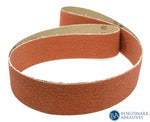
Sandpapers: You will need a variety of sandpaper grits, starting with coarse grit sandpaper to remove deep scratches and then gradually moving to finer sandpaper for a smoother finish. To get optimal results at every stage, it's important to use the best sandpaper. Benchmark Abrasives offers a wide range of sandpapers to fulfill all your sanding needs.
-
Cloths and Pads: Have soft, clean cloths ready for applying the compound, wiping off the residue, and final polishing. Microfiber cloths provide an excellent lint-free finish.
Power Tools for Efficiency
When working on large surfaces or requiring quick polishing, power tools are your best friend:
-
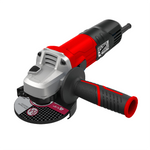
Bench grinder: A bench grinder equipped with various polishing wheels is an excellent tool for quickly removing material and initial polishing.
-
Specialized polishing tools: A Dremel tool with small polishing pads and wheels is perfect for intricate work, tight spaces, and small objects. For larger areas, an orbital polisher can significantly reduce the effort required.
When gathering your polishing tools, always prioritize safety equipment. Wear gloves and eye protection to avoid exposure to dust and chemicals. Most of these items can be found at your local hardware store. For specialty abrasives and polishing wheels, you can get them from Benchmark Abrasives.
Related Article: How Can You Reduce Surface Roughness When Milling Metal
Polishing Compounds and Abrasives
The secret to perfect metal polishing often lies in the selection and application of polishing compounds. These are not simply waxes; they contain microscopic abrasive particles that cut and refine the metal surface. There are different types of compounds, each designed for specific metals and steps in the abrasive process:
-
Buffing Compound / Polishing Compound / Rubbing Compound: These terms are often used interchangeably and denote a general category of abrasive pastes.
-
Red Rouge: This fine polishing compound is excellent for achieving a high gloss on gold, silver, and other precious metals.
-
Aluminum Oxide: A versatile and practical mild abrasive found in many general-purpose polishing solutions and suitable for a wide variety of metals.
-
Chrome Polish / Silver Polish: These polishing compounds are specially made to work with the unique properties of chrome and silver.
The key is to use the polishing compound with the appropriate polishing wheel or pad. It’s a gradual process. Start with a more effective compound (higher "cut") to remove scratches and imperfections, then use a better compound (higher "color" or "gloss") to refine and polish the surface. Always choose high-quality abrasives and compounds, like products from Benchmark Abrasives, for the best and most consistent results.
Related Article: A Beginner’s Guide to Metal Polishing
Step-by-Step Polishing Process
To get a perfect, shiny finish, you need to be patient and attentive. Follow these steps for the best results.
Step 1: Preparation and Initial Steps
Thorough preparation is the secret to a flawless finish.
-
Cleaning and evaluation: First, clean your workpiece thoroughly. Wipe off any dirt, grease, or other contaminants with soapy water and a clean cloth. Next, rinse it with lukewarm water and be sure to dry it thoroughly. After cleaning, carefully inspect the surface for any imperfections. Are there deep scratches, oxidation, or simply a dull surface? This evaluation will determine your starting point.
-
Start with proper grit selection: For severe scratches or oxidation, you'll need to start with coarser grit sandpaper or a harder abrasive wheel. For example, if your surface has deep scratches, you might begin with 80-grit or 120-grit. The goal here is to create a uniform scratch pattern that you can gradually improve.
Step 2: Progressive Polishing Technique
This step systematically refines the surface.
-
Use grits systematically: The best way to polish is to work up to gradually finer grits. After the initial coarse grit, move to the next finer grit (for example, from 120 to 220, then 320, 400, 600, 800, and so on, sometimes up to 3000 grit or higher). Make sure that each grit removes the scratch marks of the previous grit. This gradually smooths the surface.
-
Use proper speed and pressure: Whether applying full force with sandpaper or polishing with a power tool, keep the pressure consistent. For delicate workpieces or small parts, apply the mixture to a cotton buffing wheel or sisal wheel (for faster cutting) and work in a circular motion or cross-hatch pattern. Do not apply too much pressure, especially at high speeds, as this can generate excessive heat and cause swirling marks or even damage to the metal surface. Focus on one small area at a time, giving the cutting action of the abrasive a chance to do its job.
Step 3: Final Finishing and Protection
This step restores the original shine of your metal.
-
Getting the desired finish: Once you've polished with various grits and the surface is smooth, it's time for the final polish. Apply a small amount of a fine polishing compound (such as a jeweler's rouge) to a clean cotton buffing wheel or soft polishing pad. Continue polishing until you achieve the desired finish, whether it's a shiny mirror polish, a refined high polish, or a light satin finish. Wipe away any compound residue with a clean cloth.
-
Protective measures: Apply a protective coating to protect your newly polished surface and maintain its reflective finish.
Achieving Different Finish Types
Beyond just being “shiny,” metal polishing offers a range of surface finishing options to suit different applications. These include mirror polish for maximum reflectivity, often seen on things like chrome plating, and satin finishes for a soft, diffused look that comes with good wear resistance.
Brushed finishes add texture and effectively conceal fingerprints thanks to their uniform lines. To protect any polished surface from oxidation, corrosion, and wear, a protective coating, such as a clear coat, ceramic coating, wax polish, or metal wax, is recommended.
Troubleshooting Common Issues
Even with the best techniques, you may encounter some common problems when polishing metal, but the good news is that there are simple solutions for most.
For example, swirl marks usually occur when you haven't entirely removed scratches from a previous grit, applied too much pressure, or polished at too high a speed. To fix this, go back to a slightly coarser grit and work more carefully. A hazy finish often means that compound residue wasn't completely removed or that the final polish wasn't good enough; a clean cloth is key for the final wipedown.
If you end up with an uneven polish, it usually indicates inconsistent pressure or not spending enough time in all areas—remember, practice makes perfect. Finally, fingerprints can quickly spoil a beautiful polish.
Special Applications and Advanced Techniques
The principles of metal polishing are widely applicable, although some applications have their specific considerations. When it comes to automotive polishing, you'll be dealing with things like chrome bumpers, aluminum wheels, and engine bay components. For these, it's often best to use a special automotive polish formulated for clear coats and chrome.
The same basic techniques also apply to household items like silverware, brass fixtures, and home improvement tools. For example, to effectively polish brass, you'll typically start with a brass cleaner, then a brass polish, and possibly finish with a protective wax. For highly oxidized metal, pre-cleaning with a chemical cleaner designed specifically for that type of metal can dramatically reduce the amount of abrasive work needed to restore its shine.
Mastering Metal Polishing
Mastering metal polishing is a skill that improves with practice. Transforming a dull, lifeless piece of metal into a shiny, reflective surface is a pleasurable experience. Remember, perfect results cannot be achieved without practice. Still, you can achieve professional results by consistently focusing on the proper technique, understanding your materials, and investing in high-quality abrasives from Benchmark Abrasives.
Join Our Newsletter
Sign up to get the latest on sales, new releases and more …Join Our Newsletter
Sign up to get the latest on sales, new releases and more …Shop Categories
Recent Articles
- How to Choose the Right Diamond Blade for Grinder
- Wire Wheels and Brushes: How to Choose the Right One
- How to Deburr Metal Safely and Efficiently
- How to Reduce Heat Discoloration When Grinding Stainless Steel
- How to Achieve a Mirror Finish on Stainless Steel
- A Fabricator’s Guide to Surface Prep Before Powder Coating
- What Causes Burn Marks During Sanding and Grinding, and How to Prevent Them
- Beginner’s Guide to Metal Surface Prep Before Welding
- How to Choose the Right Abrasive Wheel for Your Grinder
- How to Use a Drum Sander: Step-by-Step Guide for Woodworking
Featured Products
-
 746 Reviews
4-1/2" x 7/8" T29 Zirconia High Density Flap Disc - 10 pack
$25.19
-
 738 Reviews
4-1/2" x .040" x 7/8" t1 premium thin cut-off wheel - 25 pack
$20.88
-
 220 Reviews
4-1/2" x 7/8" T27 Zirconia High Density Flap Disc - 10 pack
$25.19
-
 380 Reviews
6" x .045 x 7/8" T1 Premium Thin Cut-Off Wheel - 25 pack
$27.29
-
 55 Reviews
Nonwoven 6" X 9" Scuff, Clean & Finish Hand Pads
$0.83
-
 123 Reviews
4-1/2" x 1/4" x 7/8" T27 Depressed Center Grinding Wheel - 25 pack
$28.34


Blog Categories
- Abrasives
- Sanding
- Grinding Deburring Finishing
- Safety and Cleanliness
- Metal Working
- Selecting Tools And Equipment
- Wood Working
- Art And Design
- Diy Projects
- Industry 4.0
- Buffing
- Cutting Tools
- Carbide Burrs
- PPE
- Wire Brushes
- Bonded Abrasives
- TIG Electrodes
- Wire Wheels
- Bits
- Diamond Blades
- Power Brushes
- Product Reviews
- Grinding
- Finishing
- Industrial Cleaners