



























Best Sandpaper for Metal: Guide to Grits, Types and Techniques

Achieving a smooth and professional look on your projects depends entirely on picking the right sandpaper for the job. It doesn't matter whether you are fixing something, getting ready to paint, or want a shiny finish. The type of sandpaper you use has a significant impact on the outcome of your project.
Using the wrong grit size or type of abrasive can cause scratches and leave the surface rough. This means you may spend more time fixing mistakes. But if you pick the right sandpaper, you save time and do not have to work as hard. You also get that professional look you want.
This guide helps you select the sandpaper for your job. You will learn how to choose the right sandpaper for each type of metal, understand which grit to use and when, and discover simple tips that professionals in the metalworking industry use daily. You will find out how to get a smooth finish from the very start, all the way up to the final shine. We talk about what to use and what to do, so you get the best result on your metal work every time.
Understanding Sandpaper Basics for Metal Work
How Sandpaper Works on Metal
Manufacturing sandpaper involves bonding abrasive grains to a paper or cloth backing. These tiny abrasive particles are what actually do the cutting. When used on metals, they grind and remove material, resulting in a smooth, even surface. The effectiveness of this sanding process depends mainly on selecting the right abrasive with the appropriate grit size and material.
The larger particles help remove significant amounts of material quickly, while smaller particles provide a smooth finish.
Key Vocabulary Every Metal Worker Should Know
Grit Size
Grit size measures the size of the abrasive particles in the sandpaper. Smaller numbers, like 60 or 80, represent a rougher, coarser grit. They are ideal for heavy material removal. A higher grit number, like 180 or 220, signifies finer grit. These grits are perfect for finishing your abrasive job.
Abrasive Particles
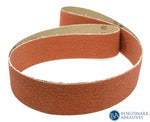
The abrasive particles are often bonded onto a backing, with coated abrasives available in closed coat or open coat varieties. The most frequently used abrasive grains in metalworking include aluminum oxide, zirconia, and ceramic. Aluminum oxide particles are tough and durable, making them ideal for a wide range of metal sanding tasks. Zirconia grains are very sharp and have a self-sharpening property, making them suitable for demanding tasks that need fast and aggressive material removal. Ceramic particles offer exceptional cutting power and are perfect for heavy-duty work.
Coating Type
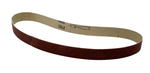
The coating on abrasive belts or sheets plays a critical role in their cutting performance and durability. There are mainly two types of coatings used in sandpaper and abrasive belts: open coat and closed coat.
-
Open Coat: In this coating type, abrasive particles are spaced farther apart, leaving larger gaps between the grains. An open coat provides better heat dissipation.
-
Closed Coat: The abrasive particles are densely packed, covering nearly the entire surface of the belt. Closed coat sanding belts or discs have abrasive particles that offer faster cutting but less cooling.
Types of Sandpaper for Metal Applications
Metal sanding requires the right sandpaper to ensure a high-quality surface finish. There are different types of sandpaper designed to perform sanding on various metals and applications, each with its specific advantages. Here are the details:
Aluminum Oxide Sandpaper
Aluminum oxide sandpaper is one of the most versatile and best for metal. It’s highly effective for general-purpose metal sanding on soft metals like aluminum, copper, and brass. They deliver consistent cuts, making it an excellent choice for dry sanding and prep work.
Silicon Carbide Sandpaper
Silicon carbide sandpaper is a superior abrasive product designed for hard metals such as stainless steel and other tough alloys. Its sharper grains help to cut more aggressively, making it ideal for heavy-duty tasks. It’s also perfect for wet sanding, which helps reduce dust and heat buildup.
Ceramic Sandpaper
Ceramic sandpaper is highly effective for heavy-duty metal removal and professional applications. The premium abrasive material is known for its long-lasting abrasive grains, which means it can withstand high heat in rough shaping and high-performance metal finishing projects.
Related Article: Best Sandpaper for Drywall
Understanding Grit Selection for Metal Projects
# Coarse Grits (40-80)
For removing a large amount of material and initial sanding, use coarser grits such as 40 or 80. These grits are useful in abrasive operations of rust removal and initial surface preparation. They help quickly eliminate imperfections or rough spots on metal surfaces.
# Medium Grits (100-150)
Medium grit sandpaper, between 100 and 150, is perfect for overall sanding and refining rough surfaces. It helps smooth out the uneven areas left after using coarser grits. It’s perfect for surface preparation before applying finishing coats, helping to reduce visible scratches.
# Fine Grits (180-320)
Fine grits are used for preparing the surface right before the final finishing stage. These grits range from 180 to 320. They effectively remove minor scratches and any remaining imperfections, creating a smoother surface for polishing.
# Ultra-Fine Grits (400+)
Ultra-fine grits are used for final polishing. They range from 400 and above. An ultra-fine sandpaper is used for final polishing. It produces a polished finish that reduces scratches, giving your metalwork a shining and professional look.
Related Article: What Grit Sandpaper To Use for Deck Sanding
Sandpaper Forms and Tools for Metal Work
To get the best results, it’s important to choose the right sandpaper format and sanding tools for the task at hand. Each form has its strengths, whether you're tackling detailed work or large surface areas.
Sheet Sandpaper and Sanding Blocks
Hand sanding with sheet sandpaper and sanding blocks is still the best way to get good results on small projects. With this method, you have full control over sanding pressure and movement. This method is ideal for finishing welds, smoothing edges, and reaching tight spaces where power tools fall short. When you sand by hand, you feel the surface and can make changes as you work.
Sanding Discs and Power Tools
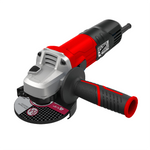
For bigger jobs where you need to get rid of a lot of stuff fast, it is good to use power tools that have sanding discs. Tools like orbital sanders, belt sanders, and disc sanders keep the same speed and pressure as you work. This helps you get the job done faster and keep the surface flat. You can use these tools when you first start to get a surface good, when you want to take old paint away, or when you need to make a big sheet of metal feel smooth.
Specialized Forms
Different sanding tools are made to help people with the many metalworking problems they have.
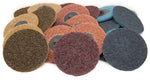
- Flap discs and fiber discs: These are made to quickly get rid of tough stuff and shape the top layer of the surface you work on.
- Sanding sponges: These work great on shapes, curves, and for finishing soft spots or gentle parts where you need to bend and move what you use.
- Sanding pads: These are good for getting things set up for the last step and doing small jobs, even on shapes that are not like the others.
Metal-Specific Sanding Strategies
Different metals respond uniquely to sanding techniques, making it essential to tailor your approach based on the material you're working with. Understanding these material-specific requirements will help you avoid common mistakes and achieve professional results consistently.
Working with Different Metal Types
Sanding on different metal types requires suitable sanding strategies to achieve the best results. Whether you are working with stainless steel, aluminum, or other metals, understanding the unique properties of each type of metal helps you choose the right approach.
Surface Conditions and Preparation
Hard metals like stainless steel, ceramic, or zirconia belts offer longer-lasting performance and reduce heat buildup during metal polishing. Using silicon carbide abrasives with medium speed helps you smooth the surface without damaging the bare metal and leaving rough marks. For old paint removal, use coarse grit and then the finer grits for finishing to achieve a perfect finish.
Achieving Specific Finishes
Whether it’s a smooth surface or a polished metal finish, you need to understand the different types of metals and choose the right sanding techniques to achieve the desired results. Proper surface preparation ensures a high-quality, professional look in your final finishing project.
Related Article: How to Strip Paint Off Wood
Professional Techniques and Best Practices
Mastering the fundamentals of professional sanding technique separates amateur results from truly polished metalwork. These proven practices will help you work more efficiently while achieving consistently superior finishes.
Proper Sanding Technique
The best way to achieve a smooth, professional finish is to use proper sanding techniques. Apply gentle, even pressure to prevent surface damage from too much force. Maintain steady, uniform sanding motions, such as circular or straight back-and-forth movements. Check your progress in regular intervals to remove imperfections effectively.
Safety Considerations
Wear safety glasses while sanding to protect your eyes from dust and debris. It ensures your workspace is well-ventilated to avoid inhaling fine particles. Using proper dust extraction or masks is recommended when working on large sanding projects.
Complementary Tools
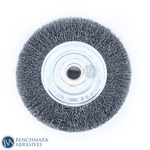
Steel wool and wire brushes are complementary tools that are useful for various tasks. Use steel wool in place of sandpaper to smooth surfaces or remove paint. The wire brushes are effective for cleaning sharp edges or resin fiber buildup.
Choosing the Right Sandpaper: Decision Framework
The choice of sandpaper is crucial for achieving the desired finish on any metal sanding project. Following the step-by-step process to perform the sanding on metal helps you to complete the metalworking task efficiently.
Firstly, evaluate the metal type and the specific outcome you wish to achieve. For heavy material removal, begin with coarse sandpaper to strip away imperfections. From rough sanding to fine polishing, different types of sandpaper are required.
In home improvement projects, finer grits ensure a professional finish.
Your Path to Professional-Grade Metal Finishes
The proper technique always delivers the best results in metalwork. Selecting the right sandpaper and using high-quality abrasives is key to a professional metalwork finish. Investing in top-tier sandpaper ensures efficiency, durability, and a flawless finish. It makes your work more efficient and requires less effort.
Partnering with reputable suppliers that offer excellent customer service and free shipping, like Benchmark Abrasives, makes the entire process smoother and more cost-effective. Remember, the right tools and materials can turn a good project into a premium, professional-grade finish every time.
Join Our Newsletter
Sign up to get the latest on sales, new releases and more …Join Our Newsletter
Sign up to get the latest on sales, new releases and more …Shop Categories
Recent Articles
- Resin Fiber Discs: Proper Storage and Handling Techniques
- Sanding Belt Safety Tips: Best Practices for Safe Operation
- 1X30 Sanding Belts for Metalworking & Knife Making
- Why Sanding Belts Stop Cutting Efficiently
- Best Sanding Discs for Automotive Paint Preparation
- How to Change Sandpaper on a Drum Sander
- Sanding Drums for Metal, Finishing, and Deburring
- Sanding Disc Accessories: Backing Pads & Disc Tools
- Random Orbital Sander
- Ways to Remove Rust from Metal
Featured Products
-
 746 Reviews
4-1/2" x 7/8" T29 Zirconia High Density Flap Disc - 10 pack
$25.19
-
 738 Reviews
4-1/2" x .040 x 7/8" T1 Premium Thin Cut-off Wheel - 25 pack
$20.88
-
 220 Reviews
4-1/2" x 7/8" T27 Zirconia High Density Flap Disc - 10 pack
$25.19
-
 380 Reviews
6" x .045 x 7/8" T1 Premium Thin Cut-Off Wheel - 25 pack
$27.29
-
 55 Reviews
Nonwoven 6" x 9" Scuff, Clean & Finish Hand Pads
$0.83
-
 123 Reviews
4-1/2" x 1/4" x 7/8" T27 Depressed Center Grinding Wheel - 25 pack
$28.34


Blog Categories
- Abrasives
- Sanding
- Grinding Deburring Finishing
- Safety and Cleanliness
- Metal Working
- Selecting Tools And Equipment
- Wood Working
- Art And Design
- Diy Projects
- Industry 4.0
- Buffing
- Cutting Tools
- Carbide Burrs
- PPE
- Wire Brushes
- Bonded Abrasives
- TIG Electrodes
- Wire Wheels
- Bits
- Diamond Blades
- Power Brushes
- Product Reviews
- Grinding
- Finishing
- Industrial Cleaners