



























Best Sander for Sheetrock/Drywall: Comprehensive Buying Guide

Drywall projects, whether a small patch or an entire room renovation, all share one common goal: a perfectly smooth surface. But anyone who's tackled drywall knows the challenges—from the unavoidable cloud of drywall dust to the actual effort required to achieve that flawless finish. So the key to achieving a professional-looking result is to choose the right tool, or you can say, finding the best sander for sheetrock.
This detailed guide will provide you with a variety of drywall sanders, which expose their advantages and disadvantages for various applications and price limitations. By understanding the slight difference between each option, you can choose the ideal tool to speed up your sanding process and achieve the quality of finish you deserve.
Types of Drywall Sanders
Drywall sanders can generally be divided into two main categories: power tool sanders and hand or manual sanders. Both types of sanders have their advantages depending on the size and type of your project.
1. Power Sanders
Power/electric drywall sanders have revolutionized the way professionals and DIYers approach drywall finishing. These machines significantly reduce the labor and time involved in sanding large areas. You'll find a variety of power sander designs, from telescopic pole sanders ideal for ceilings and high walls, to more compact handheld units for closer work.
The power source is another important consideration. Corded electric drywall sanders offer consistent power for heavy-duty tasks, while cordless drywall sanders provide unmatched portability and freedom from outlets, though battery life can be a factor. Many models also boast a variable speed drywall sander setting, allowing you to adjust the power drywall sander's RPM to suit different stages of the sanding process, from initial roughing to fine finishing.
Power sanders primarily come in two designs. Electric pole sanders feature an extended handle, making them perfect for easily sanding ceilings and high walls without needing a ladder or scaffolding. In contrast, handheld sanders are compact and lightweight, making them ideal for finishing smaller areas and precise work.
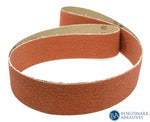
Although there are many different types of sanders available, sometimes a belt sander is also required for drywall. Learn if you can use a belt sander on drywall. What type of power sander do you think would be most efficient for a full basement renovation?
2. Manual/Hand Sanders
Although power sanders offer speed and efficiency, hand tools still play an important role in drywall finishing, especially for specific tasks. A simple hand sander is perfect for smaller repairs, touch-ups, and getting into tight spots where a larger machine won't fit. Traditional drywall pole sanders, often from Hyde Tools, extend your reach for walls and ceilings without the weight and cost of an electric model.
Hand tools are excellent for achieving control and precision, particularly for beginners or those working on intricate details.
Top Drywall Sanders for Different Needs
The "best sander for Sheetrock" isn't a one-size-fits-all answer. Your ideal choice depends on the scale of your project, your budget, and the level of finish you aim for.
Best Overall Electric Drywall Sanders
When choosing the best sander for Sheetrock, you must think of models from top brands. Brands like Porter-Cable and Festool Planex are often considered among the best drywall sanders for their robust performance and superior overall results. As a beginner, every fabricator must know their advantages and disadvantages, along with factors like motor power, dust collection efficiency, weight, and ease of use. The following are the best-selling drywall sanders designed to provide high-quality results.
1. Makita Brushless Drywall Sander

The Makita brushless cordless drywall sander provides better efficiency for the sheetrock or drywall finishing. Its compact, lightweight design and adjustable extensions improve mobility for tight locations and high walls. The brushless motor performs continuously with a variable speed control (1,000–1,800 rpm) and a 35-minute runtime on a 5.0AH battery. A round brush ensures effective dust extraction, while the flexible head is suited for different angles. Auto-start wireless system (AWS) enables automatic operations with compatible dust extractors.
Pros:
- Cordless designs are easy to carry and easy to use.
- The brushless motor provides efficient power and longer tool life.
- Auto-start wireless system improves dust management.
Cons:
- Battery and dust extractor sold separately.
- Limited runtime of 35 minutes on a single charge.
- Higher price than that of corded models.
2. WEN Variable Speed Drywall Sander

The WEN Variable Speed Drywall Sander has a pivoting head that automatically adjusts to different surfaces. It offers variable speeds from 600 to 1500 RPM and includes a hook-and-loop base for easy sandpaper change. Know what grit sandpapers are best for drywall. The 5-amp motor attached to the head offers max torque. An automatic dust removal system comes with a 15-foot hose, and the sander includes six sanding discs with grits ranging from 60 to 240. Weighing only 9 pounds, the sander can telescope up to 5 feet and folds up for convenient storage.
Pros:
- Pivoting head automatically adjusts to surfaces.
- Variable speeds allow for a variety of applications.
- Integrated dust removal system minimizes cleanup.
Cons:
- Corded operation limits maneuverability compared to cordless options.
- Some users may prefer a longer reach than 5 feet.
- A 5-Amp motor may be less powerful than some options.
3. DeWalt Cordless Drywall Sander

The DeWalt cordless drywall sander uses a brushless motor for improved runtime, durability, and consistent speed. It features an airlock connection for easy connection to DeWalt dust extractors and wireless tool control for remote activation of compatible extractors.
A variable-speed dial provides control, while the telescoping shaft and articulating head improve reach. The 9-inch aerated pad maximizes dust collection, and the balanced design minimizes user fatigue.
Pros:
- Cordless design allows for more movement.
- Brushless motor increases runtime and tool life.
- Wireless tool control helps extract dust efficiently.
Cons:
- Battery and dust extractor sold separately.
- Runtime is limited to 30 minutes with a special battery.
- The price may be higher than corded options.
4. Festool Planex 2.0 Drywall Sander

The Festool Planex Drywall Sander is equipped with a 360-degree LED light ring, which helps to highlight flaws during the sanding process. Its eccentric rotation provides a high-quality, scratch-free finish. With adjustable suction power and a T-handle, it provides ergonomic operation for walls and ceilings. The length can be adjusted using alternative extensions.
The Festool dust extractor offers a smooth, dust-free operation; however, it is sold separately. Maintenance-free brushless EC motor ensures durability, and it can connect to the Festool work app for additional features. A Planex Sheetrock sander is ideal for drywall finishing and popcorn ceiling removal.
Pros:
- Integrated LED light highlights surface imperfections.
- Eccentric sanding motion provides a smooth, scratch-free finish.
- Adjustable suction helps reduce user fatigue.
Cons:
- Dust extractors are sold separately, which increases the overall cost.
- Corded operation limits maneuverability on larger jobs.
- It can be a high-priced option compared to others.
While these four best sellers might be a significant investment, their heavy-duty construction and advanced features often justify the price for frequent users. When considering a high-quality electric sander, various performance factors are most important.
Performance Factors to Consider
To choose a quality electric sander, focus on its power and speed, ideally with variable control for versatility. Consider the sanding action (e.g., random orbital for smooth finishes, belt for heavy removal) to achieve your desired finish. An efficient dust collection system is crucial for health and a clean workspace. Look for good ergonomics, including vibration control and comfortable grips, and ensure durability with robust materials. Ultimately, check for convenient sandpaper compatibility and easy changes.
Read More: Best Power Tools For Sanding Discs
Best Budget-Friendly Options
Working on a tight budget doesn't mean sacrificing a decent finish. Many high-quality drywall sanders are available at more accessible price points. Stores like Home Depot and other home improvement retailers often have sales or offer special deals. Keep an eye out for discounts that are available today, or consider using gift cards to make your purchase even more affordable. You can find surprisingly effective tools that offer great value for DIYers and those with occasional use in mind.
Best for Large Projects
When you're handling a large project, like sanding the entire room, efficiency is paramount. Ceiling sander models with extended reach are a lifesaver for tackling large surfaces without strain. Look for Sanders designed to make quick work of extensive, large areas, often with powerful motors and larger sanding pads. Professional-grade options in this category are built for durability and continuous use, capable of handling maximum-length drywall sections with ease.
Best for Detail Work
For those crucial finishing touches and navigating challenging areas, detail sanders are invaluable. These compact sanders are designed for small areas, corners, edges, and detailed work, allowing you to achieve a truly fine finish. Many come with specialized attachments and accessories that help you get into every little bit of your project, ensuring no imperfection is overlooked.
Dust Management Solutions
Regardless of the sander you choose, managing drywall dust is non-negotiable for both health and cleanup. Many modern drywall sanders feature integrated dust collection systems, which is a huge advantage. These systems often connect directly to a shop vac or come with a built-in dust bag to capture fine dust as you work. Look for models with excellent dust-extraction capabilities, ideally with HEPA filters, to significantly reduce the amount of airborne particles. Investing in robust dust control will not only make your workspace cleaner but also protect your lungs.
The right accessories can make all the difference. Understanding sandpaper options and grit selection is crucial for proper sanding. You'll need different grits for various stages of the drywall sanding process, from coarser options to tackle joint compound to finer grits for a smooth final surface—also, a cleaner to get rid of drywall mud. Don't forget specialized sanding pads and sanding screens, and always have replacement parts on hand for common wear items like the sanding head and any drywall sanding discs.
Sanding Techniques and Best Practices
Having the right tools is half the battle; knowing how to use them is the other. Achieving professional-level results involves more than just powering on a sander. Drywall finishers recommend using a consistent, circular motion or random orbit motion with power sanders to avoid creating grooves. For manual sanding, a smooth, even pressure across the flat surface is key. Common mistakes to avoid include over-sanding in one spot or using too coarse a grit initially. There's a learning curve, but with practice, you'll be a pro! This is the best way to achieve a smooth finish.
Ergonomics and User Comfort
Sanding drywall can be physically demanding, especially for long periods. Look for sanders with a lightweight design and ergonomic grips to reduce fatigue. Features like a shoulder strap can also greatly enhance user comfort. Paying attention to the tool's dB level (noise level) is also smart, as quieter operations contribute to a more pleasant work environment. Balancing weight, power, and comfort will allow you to sand efficiently for a long time without excessive strain.
Specialized Sanders and Options
Beyond the standard offerings, some specialized sanders can further enhance your drywall finishing.
Random Orbital Sander for Drywall
While traditional drywall sanders often use a rotary motion, a random orbital sander can offer a superior, swirl-free finish. Models like the Festool RTS 400 are known for their exceptional results on drywall. These rotary sanders move the sanding pad in small, overlapping ellipses, preventing the common circular marks left by standard rotary sanders. They are particularly beneficial for achieving the highest quality finish on a critical surface.
Wet Sanding Options
As an alternative to dry sanding, wet sanding involves using a wet sponge or specialized wet sanding tools. While it produces virtually no dust, it also creates a messy slurry that needs to be cleaned up. Wet sanding is typically done by hand and can achieve an incredibly smooth finish. Still, it's a slower process and requires careful management of water to avoid damaging the drywall or electrical components.
Consider your project's specific needs and the time commitment before choosing between dry or wet sanding techniques using sheetrock tools or a dedicated drywall sanding tool.
How to Choose the Right Sander
Choosing the right drywall sander for your job can feel overwhelming, given the variety of options available. To simplify this decision, focus on a few key factors.
First, power is crucial; decide between corded or cordless models based on your project's size and specific needs to ensure maximum efficiency. Second, prioritize ergonomics by selecting a sander with a comfortable handle and balanced weight. Third, dust control is essential for both health and easy cleanup, so choose a model with an effective dust collection system. Next, consider your budget, but look beyond just the initial price; evaluate features, durability, and long-term benefits to get the best value.
If you're going with a corded model, check the cord length to avoid the hassle of needing an extension cord. You might also want to look for a sander kit that includes useful accessories so you can get started on your project immediately. Finally, especially if you're in the United States, research customer service and warranty options to ensure you're investing in a reliable brand with good local support.
Smooth Finish, Satisfied DIYer
Ultimately, finding the best sander for sheetrock means matching the tool to your specific needs. Whether you opt for a heavy-duty electric model for professional-grade overall results or a simple hand sander for detailed work, the goal is always the same: a perfectly smooth surface ready for paint or wallpaper.
For large jobs, cordless and brushless electric sanders provide both features and efficiency. However, for small projects or detailed work, manual sanding blocks can still be quite effective.
Ready to achieve that flawless finish on your next project? We hope this guide helps you make an informed decision. For more tips and tricks, check out our new posts on sanding drywall with sandpaper and what grit sandpaper you should use for drywall.
Join Our Newsletter
Sign up to get the latest on sales, new releases and more …Join Our Newsletter
Sign up to get the latest on sales, new releases and more …Shop Categories
Recent Articles
- Resin Fiber Discs: Proper Storage and Handling Techniques
- Sanding Belt Safety Tips: Best Practices for Safe Operation
- 1X30 Sanding Belts for Metalworking & Knife Making
- Why Sanding Belts Stop Cutting Efficiently
- Best Sanding Discs for Automotive Paint Preparation
- How to Change Sandpaper on a Drum Sander
- Sanding Drums for Metal, Finishing, and Deburring
- Sanding Disc Accessories: Backing Pads & Disc Tools
- Random Orbital Sander
- Ways to Remove Rust from Metal
Featured Products
-
 746 Reviews
4-1/2" x 7/8" T29 Zirconia High Density Flap Disc - 10 pack
$25.19
-
 738 Reviews
4-1/2" x .040 x 7/8" T1 Premium Thin Cut-off Wheel - 25 pack
$20.88
-
 220 Reviews
4-1/2" x 7/8" T27 Zirconia High Density Flap Disc - 10 pack
$25.19
-
 380 Reviews
6" x .045 x 7/8" T1 Premium Thin Cut-Off Wheel - 25 pack
$27.29
-
 55 Reviews
Nonwoven 6" x 9" Scuff, Clean & Finish Hand Pads
$0.83
-
 123 Reviews
4-1/2" x 1/4" x 7/8" T27 Depressed Center Grinding Wheel - 25 pack
$28.34


Blog Categories
- Abrasives
- Sanding
- Grinding Deburring Finishing
- Safety and Cleanliness
- Metal Working
- Selecting Tools And Equipment
- Wood Working
- Art And Design
- Diy Projects
- Industry 4.0
- Buffing
- Cutting Tools
- Carbide Burrs
- PPE
- Wire Brushes
- Bonded Abrasives
- TIG Electrodes
- Wire Wheels
- Bits
- Diamond Blades
- Power Brushes
- Product Reviews
- Grinding
- Finishing
- Industrial Cleaners