




























Best Sandpaper for Drywall: Complete Grit Guide for Perfect Finishes

Getting a smooth, professional finish on your drywall starts with choosing the right sandpaper. Whether you're tackling a small patch job or finishing an entire room, the sandpaper you use makes all the difference in achieving that flawless surface you're after. The correct grit and type will help you smooth out imperfections and create a finish that looks great and lasts.
Understanding Drywall Sandpaper Fundamentals
Grit number indicates the size of abrasive particles. It helps you choose the right sandpaper for different surfaces. The lower numbers indicate coarser grit, which is excellent for initial smoothing and removing rough patches. For a smooth finish, use higher grit numbers for finer abrasives. The performance of drywall sandpaper mainly relies on the material of the abrasive particles bonded to it.
Starting with coarser grit and progressing to finer grit at the end yields a perfect finish every time. There are many grains, but aluminum oxide is used mainly due to its versatility. It provides a balanced combination of cutting power and long-lasting performance. The abrasive particles used in sandpaper are silicon carbide, ceramic, or zirconia.
Silicon carbide is used when working on hard metals or ceramic surfaces. For heavy-duty and industrial applications, ceramic grains are preferred due to their longer lifespan and high performance. They are beneficial when tackling dense or rigid materials.
Choosing Suitable Grits For Drywall Applications
Achieving the perfect drywall finish depends on choosing the correct grit size at each stage of the sanding process.
Here’s a detailed breakdown for every phase to ensure a smoother finish across all drywall areas.
Coarse Grits (60-100): Initial Sanding
When you're starting, you'll want coarse sandpaper in the 60 to 100 grit range for the heavy lifting. This rougher paper cuts through excess joint compound quickly and knocks down any high spots or uneven areas. Think of it as your workhorse for tackling butt joints and getting surfaces ready for the finer sanding steps that come next.
Medium Grits (120-150): Medium Sanding
Medium grits are used to remove any roughness or scratches left after the coarse grits. The grit number ranges between 120 and 150; 150-grit drywall works well on most drywall applications. This medium-grit sandpaper is well-suited for a variety of everyday sanding and surface preparation tasks. It includes sanding drywall compound and drywall mud.
These grits play a crucial role in drywall sanding, helping to smooth drywall joints and drywall tape. It helps create a smooth surface, making it ready for the final finishing touches.
Related Article: What Grit Sandpaper to Use for Deck Sanding
Fine Grits (180-220): Finishing Work
For your final pass, switch to fine 180 to 220 grit sandpaper to create that smooth, paint-ready surface. This finer paper is gentle enough for delicate areas and joints while eliminating any scratches left behind from the coarser grits. It's this finishing step that gives you the flawless surface you need before applying paint or wallpaper.
Types of Sandpaper and Sanding Tools for Drywall
Selecting the right sanding tools and sandpaper is crucial for efficient work and producing a high-quality, professional result. Different tools are suited for various surfaces and applications, so understanding their specific uses can save you time and effort.
Traditional Sandpaper Sheets
Sandpaper sheets, also known as sanding sheets, are the most basic type of grit paper abrasive. They are ideal for manual sanding on flat surfaces, perfect for smoothing drywall patches or corners by hand. Use this sandpaper with light pressure to evenly sand rough patches and create a smooth, ready-to-paint surface.
Sanding Discs and Pads
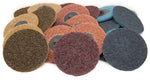
The sanding process involves the use of different tools made for a wide range of materials and applications. The sanding discs and sanding pads are used in conjunction with power tools, such as orbital sanders or electric sanders. When attached to a power sander, these tools utilize circular motion to cover large areas quickly. They are perfect for power sanding large drywall surfaces and are great for sanding jobs that require efficiency and speed.
Sanding Blocks and Hand Tools
Sanding blocks and hand sanders are lightweight tools that give you control over small areas and tight spaces. They are ideal for precision work, such as detailed tasks—finishing corners, edges, or small areas with precision and accuracy. You can even use a credit card as a functional sanding block to reach tricky spots.
Specialized Sanding Screens and Sponges
For a flawless finish on drywall, the tools you need are sanding screens and drywall sponges. These are specialized tools that produce less dust and help clean dust particles as you work. Grit sponges are excellent for light finishing, polishing surfaces, or smoothing drywall tape. They are ideal for delicate sanding techniques that are perfect for precise, accurate, and gentle sanding.
Professional Sanding Techniques and Best Practices
Using the right tools is only half the battle—technique matters just as much. Achieving a perfect drywall finish requires using the correct methods. Follow these steps to sand your drywall like a pro and avoid the mistakes that can ruin an otherwise solid job.
1. Prepare the Surface
Start by making sure all drywall dust and loose debris are cleaned from the surface. Do not dry sand on dusty surfaces, as it can lead to swirl marks and an irregular, uneven finish. Proper surface prep improves your finish quality and helps your tools last longer by preventing clogging and excessive wear.
2. Use the Correct Grit
Start with a medium grit to remove imperfections, then slowly transition to finer grits for the smooth, final coating. This step-by-step grit progression prevents drywall damage and ensures a smooth surface. Always select the appropriate grit and progress through the grits without skipping steps to ensure the best possible finish.
3. Focus on Large Areas First
When sanding large areas, use a broad, sweeping motion and even pressure. Take care when working near electrical outlets and high walls. Use a pole sander or extension tools to reach these spots comfortably, ensuring you don’t press too hard and accidentally damage the drywall.
4. Pay Attention to Screw Patterns and Joints
Sand softly along screw areas and joints to prevent swirl marks and ensure an even surface. Use a light touch to avoid drywall dust buildup or oversanding, which can lead to drywall damage.
5. Clean Regularly
Take regular breaks to clear away drywall dust from your workspace and tools to maintain a clean and efficient work environment. It ensures a clear view of your progress. Dust buildup can cause scratching and uneven finishes.
Common Drywall Sanding Issues
Even experienced DIYers run into problems when sanding drywall. Here are the most common issues you'll likely encounter and how to fix them before they ruin your finish.
-
Swirl Marks: Swirl marks and uneven patches often occur when using low-quality abrasives. You should choose high-quality, easy-to-sand abrasives to achieve a smooth finishing surface.
-
Cracks: Cracks frequently appear along the joints between drywall sheets. They are especially at butt joints or areas with movement or settling. To fix a crack properly, apply fiberglass mesh tape, cover with joint compound, and sand lightly after drying for a seamless finish.
-
Holes in Drywall: Small holes from doorknobs, furniture, or impacts, and larger holes can occur accidentally. Easy to fix with tape and joint compound. Prevention involves careful handling and furniture placement to avoid the effects.
-
Visible Rough Patches: The sheetrock or drywall sheets, after hanging drywall and taping, can be minimized. Prepare properly, sand each coat carefully, and use proper sanding techniques for a professional finish.
-
Damaged Drywall Tape: Excessive sanding can often lead to damage to the drywall paper or tape around the seams. Use a drywall knife or gentle sanding. Be careful not to oversand the seams, as this can weaken the joint and compromise the overall strength of the surface.
Choosing the Right Abrasive Partner
Selecting the best sandpaper for drywall is crucial for achieving a perfect finish and ensuring professional results in every project. High-quality drywall sandpaper not only speeds up the process but also helps you avoid common issues like rough patches or swirl marks. Always prefer a reliable supplier with professional-grade abrasives that guarantees the tools consistently deliver the performance for every abrasive project.
Remember, the right abrasive partner makes all the difference between an average paint job and one that looks flawless and polished. Invest in quality, and your drywall will look professionally finished every time.
Join Our Newsletter
Sign up to get the latest on sales, new releases and more …Join Our Newsletter
Sign up to get the latest on sales, new releases and more …Shop Categories
Recent Articles
- Resin Fiber Discs: Proper Storage and Handling Techniques
- Sanding Belt Safety Tips: Best Practices for Safe Operation
- 1X30 Sanding Belts for Metalworking & Knife Making
- Why Sanding Belts Stop Cutting Efficiently
- Best Sanding Discs for Automotive Paint Preparation
- How to Change Sandpaper on a Drum Sander
- Sanding Drums for Metal, Finishing, and Deburring
- Sanding Disc Accessories: Backing Pads & Disc Tools
- Random Orbital Sander
- Ways to Remove Rust from Metal
Featured Products
-
 746 Reviews
4-1/2" x 7/8" T29 Zirconia High Density Flap Disc - 10 pack
$25.19
-
 738 Reviews
4-1/2" x .040 x 7/8" T1 Premium Thin Cut-off Wheel - 25 pack
$20.88
-
 220 Reviews
4-1/2" x 7/8" T27 Zirconia High Density Flap Disc - 10 pack
$25.19
-
 380 Reviews
6" x .045 x 7/8" T1 Premium Thin Cut-Off Wheel - 25 pack
$27.29
-
 55 Reviews
Nonwoven 6" x 9" Scuff, Clean & Finish Hand Pads
$0.83
-
 123 Reviews
4-1/2" x 1/4" x 7/8" T27 Depressed Center Grinding Wheel - 25 pack
$28.34


Blog Categories
- Abrasives
- Sanding
- Grinding Deburring Finishing
- Safety and Cleanliness
- Metal Working
- Selecting Tools And Equipment
- Wood Working
- Art And Design
- Diy Projects
- Industry 4.0
- Buffing
- Cutting Tools
- Carbide Burrs
- PPE
- Wire Brushes
- Bonded Abrasives
- TIG Electrodes
- Wire Wheels
- Bits
- Diamond Blades
- Power Brushes
- Product Reviews
- Grinding
- Finishing
- Industrial Cleaners