































How to Sand Concrete: Complete DIY Guide with Expert Tips

Concrete sanding has emerged as a popular technique for transforming dull, industrial surfaces into smooth, modern finishes. Whether you want a mirror-like shine or a subtly refined texture, learning how to sand concrete is the first important step.
This complete guide is designed for anyone starting a DIY project or a larger home improvement project, and provides the knowledge and techniques to achieve truly professional results. Proper sanding of concrete is essential to bringing your concrete project to life, ensuring a smooth concrete surface that not only looks beautiful but also lasts a long time.
Understanding Concrete Sanding Basics
Essentially, concrete sanding involves abrading the surface of concrete to obtain a smoother or more slick surface, often as a precursor to a polished surface. This process is essential for surface preparation, especially for painting, staining, or sealing. The key here? Abrasion. Special tools equipped with different grits systematically remove imperfections, exposing a fresh layer of concrete underneath.
Understanding the differences between new and old surfaces is vital when preparing concrete. New concrete typically looks smooth and flat, but trowel marks or minor imperfections that can affect the final finish are common. Recognizing these differences allows for a successful project and professional-looking results.
Conversely, the surface of old concrete may be rough, uneven, and have rough edges, and it may have pre-existing coatings, stains, or damage that require more thorough sanding.
Essential Tools and Equipment
Picking the right tools and equipment is crucial for effective concrete sanding. Options range from handheld tools for precision work to heavy-duty machines for large-scale use.
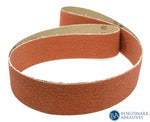
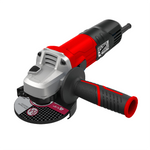
For smaller jobs like countertops or concrete art, a handheld concrete sander or an angle grinder with a sanding attachment may do the trick. If you're doing a larger job, a belt sander may be helpful in some places.
Professional-grade power tools are a must for larger areas or projects like a garage floor or patio. Selecting the appropriate tools and equipment is essential for effective concrete sanding. A floor sander may be a suitable option for medium-sized projects. Whatever the size of your project, make sure you choose a sanding machine that matches the scope of your work to achieve maximum efficiency and results.
Choosing the Right Abrasives
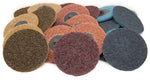
The secret to achieving different finishes is choosing the correct grit abrasive. Due to their extreme hardness, building materials like concrete require specific abrasives, primarily sanding discs and pads.
You'll start with coarser grits (e.g., 30/40 grit) to remove significant imperfections, old coatings, or expose aggregate for a polished finish. As you progress, you'll progress to finer grits (e.g., 80, 150, 400, and 3000 grit or higher for high-gloss polishes). This process, known as progressive sanding, ensures a gradual refinement of the concrete surface.
You can use regular sandpaper for general sanding, but concrete usually requires more durable options like sanding discs or special grit pads. For dry sanding, make sure your sanding pad is designed for use with dry sandpaper, as heat can be a problem. Always use quality abrasives for concrete to get the best results.
Benchmark Abrasives offers a wide range of sanding pads and discs suitable for a variety of concrete sanding applications, so you have the different grits you need for each stage of your project.
Safety First: Protective Gear and Precautions
Concrete sanding produces a lot of concrete dust (also called cement dust), which can be harmful if inhaled. Always prioritize safety and wear the proper protective equipment.
When working, always wear a high-quality dust mask or respirator to avoid inhaling fine particles. Safety glasses or goggles are also essential to protect your eyes from flying debris. Hearing protection is also recommended, especially when using loud power tools.
Sealing the work area with plastic sheeting can help contain the dust and prevent it from spreading throughout your home. Proper ventilation, such as opening windows and running fans, is also essential.
How to Sand Concrete: Step-by-Step Process
This step-by-step guide outlines the best methods for sanding concrete to achieve optimal results.
Step 1: Surface Preparation
Before getting started, make sure your surface is clean and free from dust and debris. Fill any large cracks or holes with concrete filler, allowing it to dry completely. This initial surface preparation is vital to a successful result.
Step 2: Initial Grinding (Coarse Grit)
Attach your coarse grit diamond pad to your chosen sander (e.g., floor concrete grinder or handheld concrete sander). Begin sanding, applying consistent pressure, and moving the machine in overlapping passes. The goal here is to remove material and flatten large imperfections.
Step 3: Dust Management
Decide whether to sand wet or dry. Wet sanding generates less dust; however, the process can be quite messy. Dry sanding is easier to clean up with a shop vacuum cleaner, but it throws more dust into the air.
Step 4: Progressive Sanding
After completing the first pass, move on to the next finer grit. Continue sanding, making sure there is an overlap and that you are applying consistent pressure. As you move to a finer grit, it will progressively erase the marks left by the last one, resulting in a smoother finish. This process takes patience and effort, but it is the most effective way to get a smooth, professional finish.
Step 5: Cleaning Between Grits
Each time you change the grit, clean the surface thoroughly to remove any remaining dust or solution. This will stop coarser particles from scratching the surface while you work with the finer grit. A vacuum cleaner is a great way to save time when cleaning.
Step 6: Final Sanding
Gradually move through finer grits until you achieve your desired result, whether it's a matte look or a highly polished finish.
Application-Specific Techniques
Sanding methods vary depending on the concrete job. A walk-behind grinder is most effective for garage floors and large sanded concrete floors, as it requires even pressure and constant speed. A small floor concrete grinder is ideal for bathroom floors and small indoor projects. For intricate spaces, a sturdy handheld concrete sander works best.
When sanding concrete walls, an angle grinder or handheld concrete sander with the appropriate attachments is necessary. This is physically demanding work, so it is important to take breaks and maintain the correct posture. Homeowners who undertake these projects should remember that patience and the use of the right tools will significantly affect the result.
Finishing and Sealing
Once you have achieved your desired smoothness, your work isn’t done just yet. Make sure to clean the surface thoroughly to remove all dust. For any minor imperfections or small cracks that appear after sanding, it’s a good idea to use a suitable concrete filler to repair the cracks. To protect your newly sanded concrete floor and have long-term durability, apply a concrete sealant. This will help protect against stains, water damage, and general wear and tear.
If your goal is a high-gloss, perfectly polished look, you will continue to use very fine grit sanding pads (up to 3000 grit or higher), then apply a penetrating densifier and polishing guard. This final step will help you achieve the best results and a truly stunning finish.
Maintenance and Care
Maintenance is essential for maintaining the beauty and durability of your newly smooth concrete surface.
- Sweep the surface to remove abrasive dirt.
- Clean up spills immediately to prevent stains.
Although concrete is durable, heavy impacts or harsh chemicals can abrade and damage it. Fine-grit sandpaper is often used to remove minor scratches or discolored spots that occur over time.
The Rewarding World of Concrete Refinishing
Sanding concrete is a DIY project that requires patience and attention to detail, but the great results are incredibly satisfying. From replacing a garage floor to creating a stunning interior finish, it's essential to understand the process. Remember, the best results on your concrete project often depend on the quality of your abrasives.
Benchmark Abrasives offers a wide range of high-performance sanding discs and pads designed for concrete, making sure you have the right tools for every step.
Join Our Newsletter
Sign up to get the latest on sales, new releases and more …Join Our Newsletter
Sign up to get the latest on sales, new releases and more …Shop Categories
Recent Articles
- Resin Fiber Discs: Proper Storage and Handling Techniques
- Sanding Belt Safety Tips: Best Practices for Safe Operation
- 1X30 Sanding Belts for Metalworking & Knife Making
- Why Sanding Belts Stop Cutting Efficiently
- Best Sanding Discs for Automotive Paint Preparation
- How to Change Sandpaper on a Drum Sander
- Sanding Drums for Metal, Finishing, and Deburring
- Sanding Disc Accessories: Backing Pads & Disc Tools
- Random Orbital Sander
- Ways to Remove Rust from Metal
Featured Products
-
 746 Reviews
4-1/2" x 7/8" T29 Zirconia High Density Flap Disc - 10 pack
$25.19
-
 738 Reviews
4-1/2" x .040 x 7/8" T1 Premium Thin Cut-off Wheel - 25 pack
$20.88
-
 220 Reviews
4-1/2" x 7/8" T27 Zirconia High Density Flap Disc - 10 pack
$25.19
-
 380 Reviews
6" x .045 x 7/8" T1 Premium Thin Cut-Off Wheel - 25 pack
$27.29
-
 55 Reviews
Nonwoven 6" x 9" Scuff, Clean & Finish Hand Pads
$0.83
-
 123 Reviews
4-1/2" x 1/4" x 7/8" T27 Depressed Center Grinding Wheel - 25 pack
$28.34


Blog Categories
- Abrasives
- Sanding
- Grinding Deburring Finishing
- Safety and Cleanliness
- Metal Working
- Selecting Tools And Equipment
- Wood Working
- Art And Design
- Diy Projects
- Industry 4.0
- Buffing
- Cutting Tools
- Carbide Burrs
- PPE
- Wire Brushes
- Bonded Abrasives
- TIG Electrodes
- Wire Wheels
- Bits
- Diamond Blades
- Power Brushes
- Product Reviews
- Grinding
- Finishing
- Industrial Cleaners