




























How Long Does a Sanding Disc Last - Complete Lifespan Guide 2026

There's nothing more frustrating than having your sanding discs wear out prematurely after making great progress on a sanding project. You're left with a half-finished surface, a trip to the hardware store, and one question: "How long does a sanding disc last?" Understanding what affects the lifespan of your sanding disks isn't just about saving money; it directly impacts the efficiency, consistency, and ultimately the quality of your work.
In this comprehensive guide, we will discuss the various factors that determine the lifespan of your sanding discs. We will also provide you with best practices to extend their utility, improve your project planning, and increase overall cost efficiency.
Types of Sanding Discs and Their Expected Lifespans
Not all sanding sheets or discs are created equal, and their intended application often determines their inherent durability. Understanding the different types is the first step in estimating their expected lifespan.
1. PSA (Pressure Sensitive Adhesive) Discs use a sticky back for quick changes. They have a moderate lifespan, limited by adhesive heat/friction. Good for general woodworking and auto finishing.
2. Hook and Loop Discs (Velcro-style) are durable, secure, and popular for random orbital sanders. They can withstand aggressive use and heat, offering a longer lifespan. They are water resistant and can be used for dry or wet sanding.
3. Flap Discs, a hybrid with overlapping flaps, are for angle grinders on metal, grinding, and blending. Has a very long lifespan due to frequent abrasive exposure; often requires replacement of cut-off wheels.
4. Fiber Discs are tough, strong, and designed for heavy-duty disc sanders. They aggressively remove material from metal, wood, and concrete, offering impressive longevity despite generating heat.
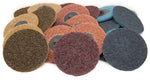
5. Quick-Change Discs are small, with threaded/roll-on attachments for rapid changes on specialty/die grinders. Convenient for intricate work, though a smaller size can compromise durability.
Here’s a quick comparison chart of average lifespan ranges for different applications:
| Disc Type | Average Lifespan | Common Applications |
| PSA (Pressure sensitive adhesive) | Moderate | General woodworking, auto body, and light finishing |
| Hook and Loop | Good | General woodworking, furniture, and various finishes |
| Flap Discs | Very Good (Metal) | Metal grinding, weld blending, heavy stock removal |
| Fibre discs | Excellent (Heavy Duty) | Metal fabrication, heavy grinding, and concrete |
| Quick change discs | Moderate (Small Size) | Tight spaces, intricate metalwork, and deburring |
Abrasive Materials and Their Impact on Disc Life
Different abrasive materials significantly impact the life and performance of sanding discs. Aluminium oxide is a common, general-purpose abrasive with moderate durability. Silicon carbide is harder and sharper, ideal for specialized materials like glass, and maintains its cutting edge through controlled fracturing. Ceramic abrasives are premium, self-sharpening, and extremely durable for aggressive tasks. Zirconia Alumina offers superior toughness and extended life for heavy-duty applications.
High-quality abrasives significantly impact overall disc performance and lifespan. The best abrasive products are manufactured with consistent grain size, uniform distribution, and a strong bond with the backing material. When considering cost versus longevity, investing in quality abrasives often results in fewer disc changes, less downtime, and a high gloss finish.
Grit Size and Its Effect on Disc Longevity
The longevity of a sanding disc is inversely related to its grit size. Coarse grits (24-60) wear out quickly because their large abrasive particles experience high stress during aggressive material removal. Medium grits (80-120) offer a balanced lifespan. Finer grits (150-220) and very fine grits (240+) last longer because their smaller, more numerous particles distribute the sanding load more evenly, reducing individual particle stress.
Essentially, distributing the work among more particles prolongs the disc's life, making it crucial to select the appropriate different grits for the task to avoid unnecessary disc wear. For optimal results, a higher grit number indicates smaller particles and generally results in a longer-lasting disc, especially when used for surface refinement rather than heavy material removal.
Power Tool Compatibility and Disc Wear
The type of power tools you use also plays a role in how long your sanding discs last. Different tools apply varying amounts of pressure to the abrasive.
-
Random Orbital Sanders cause moderate disc wear because their oscillating and rotating motion spreads the wear evenly.
-
Disc Sanders, especially stationary ones, can lead to high-speed wear due to their continuous, unidirectional rotation and aggressive use.
-
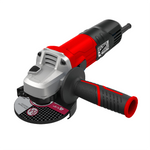
Angle Grinders result in the fastest disc consumption due to their high RPMs and use in aggressive applications like grinding and rust removal.
-
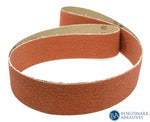
Belt Sanders use wide sanding belts, which generally last longer than single discs due to their larger abrasive surface area.
-
Drum Sanders, designed for heavy-duty applications, use large abrasive wraps that offer high longevity.
The condition of your backing pad (for random orbital and disc sanders) also significantly affects disc life. A worn or damaged backing plate can lead to uneven pressure distribution, causing premature wear spots on the disc and potentially creating swirl marks on your workpiece.
Furthermore, tool speed settings and their impact on disc wear are crucial; running a sander at maximum RPM when a lower speed would suffice generates unnecessary heat and friction, accelerating disc consumption.
Material Being Sanded and Disc Durability
The type of material you're sanding is a major factor in how long your discs will last. Softwoods, such as pine or cedar, are gentle on discs, extending their life. Hardwoods like oak or maple cause moderate wear, especially when sanding end grain, as their dense fibers require more effort. Aside from wood, sanding metal flat surfaces will wear out discs quickly due to their inherent hardness and the heat generated; this often requires special discs with harder abrasives.
Removing old layers of paint can also clog discs quickly, reducing their effective lifespan even if the abrasive hasn't worn out. Similarly, solid surface materials like Corian have abrasive properties that contribute to moderate to fast disc wear. Ultimately, the harder the material, the more work your disc has to do, and the faster it will wear out.
Usage Techniques That Maximize Disc Life
Maximizing the life of your sanding discs is more than just the disc itself; your technique plays a crucial role. Applying proper pressure is crucial—avoid excessive force, as this generates heat and dulls the abrasive. Instead, let the disc do the sanding job with just enough pressure to maintain contact.
Use deliberate, overlapping movement patterns with random orbital sanders to prevent uneven wear and hot spots, which also helps avoid swirl marks for a smooth surface. For delicate or intricate areas, sanding by hand may maintain the integrity of the disc better than power tools. Before you begin, prepare the entire surface by cleaning it to remove debris and reduce the initial load on the disc.
Finally, always follow a gradual grit progression, starting with the coarsest grit and gradually moving to finer grits. These best practices ensure that each disc works efficiently and prevents the finer grit from doing the work of the coarser grit, increasing overall disc life.
Maintenance and Care for Extended Disc Life
Want to double your sanding disc's lifespan? Proper maintenance is key. A cleaning stick is a great way to revive a piece of sandpaper. When sanding, especially wood, dust and debris clog the abrasive surface, making it ineffective. Pressing a cleaning stick against the spinning disc pulls out this embedded material, exposing fresh, new abrasive. It's a good idea to have one readily available.
Effective dust collection is also paramount. A strong system pulls dust away from the disc, preventing premature clogging and allowing abrasive grains to cut efficiently for longer. Store unused discs flat in a cool, dry place to prevent warping and adhesive issues. Knowing when a disc is truly worn out versus just clogged is crucial; a cleaning stick can often revive a clogged disc, saving you money and time. Integrate these simple steps into your routine to extend the life of your sanding discs.
When to Replace Your Sanding Disc?
Knowing when to replace your old disc with a new disc is essential for effective and high-quality sanding. Don't try to extend the life of a worn disc; it can backfire.
Look for visual signs, find dull, rounded abrasive grains, torn backing, or exposed adhesive on PSA discs. Performance-wise, a significant sign is reduced cutting ability – if you're applying too much pressure to remove material, it's time for a new piece. You'll instantly see a noticeable difference in efficiency. Dull discs also generate more heat, causing burn marks, and lead to poor surface finishes, like inconsistent scratches. If dust production decreases, your disc is likely dull.
Ultimately, replacing a worn disc is more cost-effective. You might think you're saving money by using it longer, but the extra time a dull disc demands quickly eats into any perceived savings. A new disc ensures efficient, high-quality work, which makes a big difference and is also safer, as worn discs can be dangerous.
Choosing the Right Disc for Maximum Longevity
Choosing the right sanding discs from the start is the key to maximizing their lifespan and achieving better results. The best option isn't always the cheapest; it's about making smart decisions. Matching the type of disc to its specific application, such as a flap disc for metal or a hook-and-loop disc for a piece of wood, ensures optimal performance and durability.
While cheaper discs may look attractive initially, they often wear out quickly, increasing their cost in the long run. Investing in quality abrasives, although it may cost more upfront, provides better long-term value due to their longevity and consistent performance.
Consider the total cost of ownership rather than just the price of a single disc. Premium discs, made from higher-quality materials, almost always outperform affordable options, making them the best choice for professional use or larger projects. Calculating the cost per hour of disc use can further highlight the true savings of long-lasting, high-quality discs, ensuring you are always prepared with the right tools.
Maximizing Your Sanding Disc Investment
So, how long do sanding discs really last? This is not a simple question with a single answer.
As we've learned, the lifespan of sanding discs depends on various factors, including the type of disc, abrasive material, grit size, power tool used, material being sanded, and most importantly, your use and maintenance habits.
We now know that how long does a sanding disc last isn’t a simple question—it depends on everything from the type of disc and grit size to how you use and care for it. By applying the best practices outlined in this guide, from choosing the right sanding disc for the job to proper care and maintenance, you can substantially extend the life of each disc. This will not only save costs but also improve the efficiency of your equipment. Remember, a disc that cuts well means the quality of your work will be better, and you will spend less time changing discs.
Small changes in your approach to sanding can lead to significant improvements in disc longevity. So, on your next project, take some time to consider these factors. Invest in quality abrasives, use proper techniques, and maintain your discs carefully. You will surely find that your sanding discs last longer, your projects complete more smoothly, and your overall investment in abrasives delivers far better results.
Join Our Newsletter
Sign up to get the latest on sales, new releases and more …Join Our Newsletter
Sign up to get the latest on sales, new releases and more …Shop Categories
Recent Articles
- Resin Fiber Discs: Proper Storage and Handling Techniques
- Sanding Belt Safety Tips: Best Practices for Safe Operation
- 1X30 Sanding Belts for Metalworking & Knife Making
- Why Sanding Belts Stop Cutting Efficiently
- Best Sanding Discs for Automotive Paint Preparation
- How to Change Sandpaper on a Drum Sander
- Sanding Drums for Metal, Finishing, and Deburring
- Sanding Disc Accessories: Backing Pads & Disc Tools
- Random Orbital Sander
- Ways to Remove Rust from Metal
Featured Products
-
 746 Reviews
4-1/2" x 7/8" T29 Zirconia High Density Flap Disc - 10 pack
$25.19
-
 738 Reviews
4-1/2" x .040 x 7/8" T1 Premium Thin Cut-off Wheel - 25 pack
$20.88
-
 220 Reviews
4-1/2" x 7/8" T27 Zirconia High Density Flap Disc - 10 pack
$25.19
-
 380 Reviews
6" x .045 x 7/8" T1 Premium Thin Cut-Off Wheel - 25 pack
$27.29
-
 123 Reviews
4-1/2" x 1/4" x 7/8" T27 Depressed Center Grinding Wheel - 25 pack
$28.34
-
 55 Reviews
Nonwoven 6" x 9" Scuff, Clean & Finish Hand Pads
$0.83


Blog Categories
- Abrasives
- Sanding
- Grinding Deburring Finishing
- Safety and Cleanliness
- Metal Working
- Selecting Tools And Equipment
- Wood Working
- Art And Design
- Diy Projects
- Industry 4.0
- Buffing
- Cutting Tools
- Carbide Burrs
- PPE
- Wire Brushes
- Bonded Abrasives
- TIG Electrodes
- Wire Wheels
- Bits
- Diamond Blades
- Power Brushes
- Product Reviews
- Grinding
- Finishing
- Industrial Cleaners