

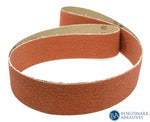


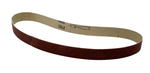
























Best Sanding Belts for Woodworking: Aluminum Oxide vs Zirconia

Some woodworking projects end up with a smooth, professional finish, while others look rough and uneven because of the sanding belts used. Choosing the best sanding belts for woodworking is essential, as material and quality of belts are crucial for achieving professional sanding results, whether you're using power tools or a sanding machine. The right belt with durable material ensures a smooth finish, improves workflow, and saves time.
Abrasive sanding belts are compatible with various power tools, such as belt sanders, spindle sanders, belt grinders, and edge sanders. These new belts wrap around the drum or rollers of the sanding machine, allowing for efficient material removal and a smooth finish.
The right sanding belt makes sure your power tools operate effectively, providing consistent results and reducing wear on the machine. Understanding how these belts work with different tools helps you choose the most suitable type for your project, making your woodworking easier and more efficient.
Types of Sanding Belt Materials
Abrasive sanding belts mainly use three types of abrasive materials: Aluminum Oxide, Zirconia, and Ceramic. Each material suits different applications. Aluminum Oxide is the most versatile, offering good durability and a smooth finish. Zirconia belts provide a more aggressive cut and longer lifespan. Ceramic belts provide advanced durability, but require a higher initial investment to handle work.
Aluminum Oxide (Recommended for Most Woodworking)
Aluminum oxide is the most popular choice and personally recommended for most woodworking projects. It is known as the gold standard, a cost-effective abrasive belt material suitable for general woodworking tasks and knife making. It works well on softwoods and many hardwoods, providing a smooth finish on a variety of wood types.
Zirconia Oxide
Zirconia belts cut more aggressively than aluminum oxide. They offer superior durability and are best suited for applications requiring heavy material removal. Zirconia belts may cost more, but they last longer, making them a smart choice for hardwoods and heavy-duty work.
Ceramic
Ceramic belts offer long-term value by reducing replacement costs and supporting professional-grade applications. These belts are recognized for their long lifespan and consistent performance.
Despite a higher initial investment, they’re ideal for high-volume woodworking and home improvement tasks.
Silicon Carbide
Silicon Carbide sanding belt is best used in non-wood applications, such as plastics, metals, or stainless steel. They excel at fine finishing, while aluminum oxide is used for rough sanding and initial stock removal.
Grit Selection Guide
Choosing the right grit belt from various grits for each stage of woodworking is essential. Using the proper grit ensures efficient material removal and a smooth surface. Let’s understand the importance of each and every step for fine woodworking.
-
Coarse Grits (40-80): Most ideal grit for initial material removal, shaping, and removing imperfections from wood, metal, stainless steel, or plastic. This grit size helps speed up the process of preparing the workpiece for finer sanding. Always start with the coarse grit suitable for your project, then progress gradually for the best results.
-
Medium Grits (100-150): For general sanding and surface preparation, medium grit belts are perfect. These help to work the rough surface left after coarse-grit sanding. Abrasive sanding belts with medium grit size help to remove the scratches, shape contours, and prepare surfaces for finer sanding.
-
Fine Grits (180-400): The final stage of the sanding project needs a smooth finish, especially in fine woodworking. They help eliminate the remaining scratches or imperfections left after the medium finishes. A proper use of finer grits ensures a professional finish on the surfaces.
Common Grit Selection Mistakes to Avoid
-
Skipping Grit Levels: Using a direct transition from a coarse to a fine grit by skipping the medium grits can result in an uneven surface and poor sanding results.
-
Choosing the Incorrect Grit Size: Starting a project with too fine a grit size is a waste of time and effort. Using too coarse a grit on delicate surfaces can result in damage.
-
Using Dull or Overused Belts: Sanding with worn-out belts reduces effectiveness. It may result in scratching the surface and a smooth finish.
-
Applying High-Pressure: Applying high-pressure can create deep scratch marks on the surface.
Sander Compatibility and Size
Sander belts are available in different sizes, like 3 x 21 inches, 4 x 24 inches, or 6 x 48 inches. Small sanding belts are used with portable sanders or belt grinders for detail work. Larger belts or wide sanding belts fit wide belt sanders for larger surfaces like furniture or carpentry.
For knife makers, selecting the right belt is crucial for shaping and sharpening blades. For bigger projects, the larger belts with more efficiency are preferred.
| Feature | Portable Sander | Stationary Sander |
| Mobility | Lightweight and handheld, easy to move around. | Fixed in one place, used in a workshop setting. |
| Surface Area | Suitable for small, detailed, or hard-to-reach areas. | Ideal for large, flat surfaces and bulk material removal. |
| Speed & Efficiency | Generally slower for large projects, better for precision. | Faster and more efficient for extensive jobs. |
Size, Safety, and Performance
A durable material sanding belt with a size too small or too large causes slipping, which may damage the belt or sander. Correct sizing ensures the belt operates smoothly and produces consistent results. Custom sanding belt sizes are used for specialized projects or general use. Set the sander's speed to match the belt material for optimal performance.
When using the power sanders with variable speed controls, match the speed of the sander with the belt material to avoid excessive wear and damage. The handheld belt sanders are lightweight and easy to use for doing small tasks in tight spaces or finishing jobs.
Many power sander models include variable speed controls. Lower speeds are ideal to work on delicate surfaces like soft wood or plastics etc. The higher speeds improve efficiency on materials like metal or hardwood.
Where to Buy Quality Sanding Belts
You can purchase the new belts according to your project needs. Bulk buying is cost-effective and best for ongoing, professional projects, while individual belts are more convenient for small or occasional jobs. Benchmark Abrasives is an excellent choice for high-quality sanding belts with a long shelf life. It offers good belts in various grits, different materials, and sizes with competitive pricing and reliable performance.
In addition to Benchmark Abrasives, you can find quality sanding belts for fine woodworking at local hardware stores and online marketplaces. Check the customer reviews before making any choice for the products.
Top 5 Best Sanding Belts for Woodworking
Let me help you select the best sanding belts for woodworking to complete your abrasive projects effectively. Here are the top 5 sanding belts you should consider:
1. 4" x 36" Aluminum Oxide Sanding Belt
These versatile belts excel at general-purpose sanding and smoothing across multiple applications. They're perfect for home improvement projects, furniture making, surface preparation before finishing, knife making, and general woodworking tasks.
The aluminum oxide abrasive grains make these belts particularly effective on softwoods and medium-density materials, delivering consistent results for everyday sanding needs.
2. 6" x 48" Aluminum Oxide Sanding Belt
Its larger surface area handles more extensive projects with ease. Wide sanding belts are the best belts for applications like flooring, sanding tables, and paneling, offering better coverage and faster material removal than smaller belts.
3. 4" x 36" Zirconia Sanding Belt
The zirconia sanding belts are known for aggressive cutting power and outperform aluminum oxide. They deliver excellent durability and cutting capabilities on tough jobs like heavy stock removal or working with hardwoods.
4. 6" x 48" Zirconia Sanding Belt
The best sanding belts are made of zirconia for large-scale professional fine woodworking projects. These wide sanding belts offer enhanced longevity and cost-effectiveness with a long shelf life. These high-performance sanding belts are perfect for hardwood and dense materials. The zirconia belts have a low working cost and are more durable than aluminum oxide sanding belts.
5. 4" x 36" Ceramic Sanding Belt
These premium performance belts are designed for consistent cutting action and extended longevity. Ceramic belts provide stable performance, delivering a high ROI for woodworkers due to their reliable features. The right sanding belt for anyone looking to maintain a smooth surface in intensive work.
Gear Up and Get Grinding
Choosing the right sanding belt makes all the difference in achieving professional results. Aluminum oxide belts remain the go-to choice for most woodworkers because they offer excellent durability and deliver consistently smooth finishes over time. When tackling harder woods or demanding applications, consider upgrading to zirconia or ceramic belts. While these premium options cost more upfront, they provide superior performance and last significantly longer, making them worthwhile investments.
Ready to elevate your woodworking? Select the best sanding belts for woodworking to match your specific projects and experience the difference quality abrasives make in achieving that flawless, professional finish every time.
Join Our Newsletter
Sign up to get the latest on sales, new releases and more …Join Our Newsletter
Sign up to get the latest on sales, new releases and more …Shop Categories
Recent Articles
- Resin Fiber Discs: Proper Storage and Handling Techniques
- Sanding Belt Safety Tips: Best Practices for Safe Operation
- 1X30 Sanding Belts for Metalworking & Knife Making
- Why Sanding Belts Stop Cutting Efficiently
- Best Sanding Discs for Automotive Paint Preparation
- How to Change Sandpaper on a Drum Sander
- Sanding Drums for Metal, Finishing, and Deburring
- Sanding Disc Accessories: Backing Pads & Disc Tools
- Random Orbital Sander
- Ways to Remove Rust from Metal
Featured Products
-
 746 Reviews
4-1/2" x 7/8" T29 Zirconia High Density Flap Disc - 10 pack
$25.19
-
 738 Reviews
4-1/2" x .040" x 7/8" t1 premium thin cut-off wheel - 25 pack
$20.88
-
 220 Reviews
4-1/2" x 7/8" T27 Zirconia High Density Flap Disc - 10 pack
$25.19
-
 380 Reviews
6" x .045 x 7/8" T1 Premium Thin Cut-Off Wheel - 25 pack
$27.29
-
 55 Reviews
Nonwoven 6" X 9" Scuff, Clean & Finish Hand Pads
$0.83
-
 123 Reviews
4-1/2" x 1/4" x 7/8" T27 Depressed Center Grinding Wheel - 25 pack
$28.34


Blog Categories
- Abrasives
- Sanding
- Grinding Deburring Finishing
- Safety and Cleanliness
- Metal Working
- Selecting Tools And Equipment
- Wood Working
- Art And Design
- Diy Projects
- Industry 4.0
- Buffing
- Cutting Tools
- Carbide Burrs
- PPE
- Wire Brushes
- Bonded Abrasives
- TIG Electrodes
- Wire Wheels
- Bits
- Diamond Blades
- Power Brushes
- Product Reviews
- Grinding
- Finishing
- Industrial Cleaners