































What Grit Sandpaper to Use for Deck Sanding (Expert Guide 2026)

If you want to fix up your outside space, sanding the deck is a good place to start. Many people ask what grit of sandpaper works best for deck sanding to achieve good results on a wood deck. Well, you’re in the right place to find out what to use.
This guide helps homeowners feel ready to do this project by themselves. It lets you take an old and tired area and make it into a nice extension of the home. Selecting the correct grit is crucial when refinishing your deck and maintaining its good condition. This allows you to make it look great without harming the wood. Use the right abrasive at each step of the work. This is the best way to get a good result.
Pre-Sanding Assessment and Preparation
Before choosing the sandpaper, it's essential to assess the current state of your wood deck. Take a good look at the deck boards or decking boards to identify old stains, old finishes, or old coatings that are peeling or fading. Look for signs of wear, surface damage, and cracks. Check for any loose boards, and tighten any loose nails or deck screws while sanding so they don't get stuck.
Next, it's time for a thorough cleaning. You can use a power washer or pressure washer to remove dust, grime, and loose debris. Be careful when power washing old or soft wood, as this can sometimes scratch the surface. Use a special deck cleaner and, if needed, a deck brightener to remove stubborn stains and restore the wood's natural color. This step is crucial for pressure-treated wood and cedar decks, as it prepares the surface for fine sanding and eventually staining. A clean surface ensures that your sandpaper works efficiently and doesn't clog up prematurely.
Essential Safety Equipment and Tools
Safety should always be your top priority when starting a deck sanding project. Ensure you have the necessary safety equipment, including a dust mask or respirator, safety glasses or eye protection, hearing protection, and knee pads. These will make the process safer and more comfortable.
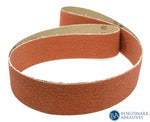
For the actual sanding, you will need the right tools. For larger areas, a belt sander, floor sander, or drum sander (often rented for larger deck projects) will be best suited for you. For smaller or more intricate areas, a power sander, such as an orbital sander or hand sander, and a sanding block will be helpful. Investing in high-quality power tools and a variety of sanding discs will make the job much easier and lead to better results.
Related Article: How to Sand a Deck with a Belt Sander
The Complete Grit Progression Strategy
What's the ideal sandpaper grit for deck preparation? The secret to perfectly preparing a deck lies in a three-step sanding process: coarse, medium, and fine grit. This sequence ensures that you effectively remove the old finish, smooth the surface, and prepare the wood to absorb stains properly.
Coarse Grit Phase (Initial Stripping)
The initial stripping step is essential for removing stubborn old finishes, deep stains, and severe surface imperfections. At first, start with 80-grit sandpaper. Although you can use coarser sandpaper (such as 36 or 60 grit) for more damaged decks, 80-grit sandpaper is usually a good starting point for most deck surface repairs, as it can handle more challenging jobs without causing too many scratches.
This coarse-grit sandpaper is perfect for stripping the rough top layer from the entire deck. Make sure to keep the sander moving continuously to avoid creating any gouges. After you've completed this step, you'll most likely see a lot of dust. To monitor your progress and prevent the sandpaper from clogging, it's essential to remove dust regularly using a shop vacuum or leaf blower. The initial sanding process establishes the groundwork for achieving a smooth and even finish.
Medium Grit Phase (Smoothing)
After stripping the old finish, you're ready for medium-grit sanding. Use 80- to 100-grit sandpaper to smooth the surface and eliminate any scratches left by the initial, coarser sanding. This step also helps correct uneven spots and further refines the wood.
As you sand, always follow the direction of the wood grain to prevent visible cross-grain scratches, which become very obvious after staining. To ensure a uniform texture across every deck board, maintain a consistent technique.
Fine Grit Phase (Final Preparation)
The final step in your sanding process involves using a finer grit, specifically 120-150 grit sandpaper. This finer grit provides a super smooth finish, perfect for painting. Although it may be tempting to use a finer grit, don't use anything too fine (e.g., above 150 grit) on an outdoor deck, as an overly smooth surface can sometimes hinder the absorption of stains.
This step is all about preparing the wood as best as possible for its new protective layer. If you have any small cracks or pits, this is the perfect time to apply wood filler, if needed, and level it out by sanding with finer grit paper once it's dry.
Specialized Sanding Techniques and Problem Areas
Although large sanders are great for the main deck surface, some areas require special attention and different approaches. Railings, stair treads, and board edges often require more intricate work. For these smaller areas, hand sanding with a sanding block and a small orbital sander will be very useful.
Always remember that areas with more foot traffic or more weather exposure may require a slightly more thorough initial sanding. If your deck is adjacent to indoor hardwood flooring, ensure a seamless transition in terms of finish and level.
Post-Sanding Cleanup and Preparation for Staining
After the sanding is complete, thoroughly cleaning the area is the most crucial step. You'll have to deal with sanding dust and wood shavings. Use a shop vacuum or a household vacuum to remove as much loose debris from the deck's surface as possible. A leaf blower is helpful for clearing dust from the deck's cracks and crevices.
When most of the dust is gone, the most crucial step is to wipe down every part of the deck with a tack cloth. This removes the fine dust particles that the vacuum cleaner missed, and leaves the surface completely clean for your new stain. Leftover dust can mess with how well your stain sticks and how it looks. Before you put on any oil or water-based stain, always check the weather forecast. You'll want to make sure it's going to be dry and mild for a few days.
Professional Tips and Common Mistakes to Avoid
Sanding your deck can be an extremely satisfying project when done right. To help you maximize your results, here are some pro tips and common mistakes to steer clear of:
- Don't skip grits: Avoid going straight from coarser grits to finer grits. Each grit plays a role in creating a smooth, flat surface. Skipping steps can cause scratches that will be evident once the stain is applied.
- Keep the sander moving: Do not allow the sander to remain stationary in one place while running, especially with a power sander, as this can cause pitting or burn marks on the wood.
- Overlap your passes: Make sure each sanding pass slightly overlaps the previous pass to avoid uneven sanding lines.
- Regular cleaning: Regularly remove dust from your sandpaper and deck surface to maximize abrasive efficiency and prevent clogging.
- Follow the instructions manual: Always adhere to the manufacturer's instructions for your sander and stain.
- Practice first: If this is your first time sanding a deck, it’s a good idea to practice on a small, unnoticeable area first.
- Use quality abrasives: Using high-quality sandpaper from a reputable brand like Benchmark Abrasives will make the sanding process more efficient and produce better results. This guarantees your deck lasts for a long time.
- Choose the best sander: A good quality random orbital sander is often sufficient to sand a small deck, while for a large deck, you will require a drum sander or a random orbital floor sander.
Achieving Long-Lasting Results
Getting the best results for your deck restoration project depends on understanding and applying proper grit selection and sanding techniques. By following this guide, you will be able to create a beautiful, smooth finish that will make your outdoor living space even more attractive. Remember, quality deck maintenance starts with quality preparation, and the abrasives you choose play a huge role in the lifespan of your deck's new finish.
Check out the wide range of products available at Benchmark Abrasives, including a variety of grits and abrasives, for all your deck sanding needs. Our commitment to customer service ensures you will find the right tools for your project, often with free shipping on qualified orders. Whether you are caring for a large deck or a small patio, using the right abrasives from Benchmark Abrasives is a wise investment. And for any stubborn black stains or tannins, a scrub brush with an oxalic acid solution after sanding can work wonders before applying the stain.
Ready to transform your deck? Visit benchmarkabrasives.com today to find the perfect sandpaper and sanding accessories for your next project.
Join Our Newsletter
Sign up to get the latest on sales, new releases and more …Join Our Newsletter
Sign up to get the latest on sales, new releases and more …Shop Categories
Recent Articles
- Resin Fiber Discs: Proper Storage and Handling Techniques
- Sanding Belt Safety Tips: Best Practices for Safe Operation
- 1X30 Sanding Belts for Metalworking & Knife Making
- Why Sanding Belts Stop Cutting Efficiently
- Best Sanding Discs for Automotive Paint Preparation
- How to Change Sandpaper on a Drum Sander
- Sanding Drums for Metal, Finishing, and Deburring
- Sanding Disc Accessories: Backing Pads & Disc Tools
- Random Orbital Sander
- Ways to Remove Rust from Metal
Featured Products
-
 746 Reviews
4-1/2" x 7/8" T29 Zirconia High Density Flap Disc - 10 pack
$25.19
-
 738 Reviews
4-1/2" x .040 x 7/8" T1 Premium Thin Cut-off Wheel - 25 pack
$20.88
-
 220 Reviews
4-1/2" x 7/8" T27 Zirconia High Density Flap Disc - 10 pack
$25.19
-
 380 Reviews
6" x .045 x 7/8" T1 Premium Thin Cut-Off Wheel - 25 pack
$27.29
-
 55 Reviews
Nonwoven 6" x 9" Scuff, Clean & Finish Hand Pads
$0.83
-
 123 Reviews
4-1/2" x 1/4" x 7/8" T27 Depressed Center Grinding Wheel - 25 pack
$28.34


Blog Categories
- Abrasives
- Sanding
- Grinding Deburring Finishing
- Safety and Cleanliness
- Metal Working
- Selecting Tools And Equipment
- Wood Working
- Art And Design
- Diy Projects
- Industry 4.0
- Buffing
- Cutting Tools
- Carbide Burrs
- PPE
- Wire Brushes
- Bonded Abrasives
- TIG Electrodes
- Wire Wheels
- Bits
- Diamond Blades
- Power Brushes
- Product Reviews
- Grinding
- Finishing
- Industrial Cleaners