





























How to Use a Miter Saw, Including Best Safety Practices

Have you ever struggled to create a perfect angle in a DIY project? When it comes to DIY projects and home improvement, creating precise and accurate cuts is often the biggest challenge. Whether you are installing new molding, building furniture, or working on a woodworking project, mastering how to use a miter saw is crucial.
A miter saw is designed specifically for crosscuts and miter cuts, making it indispensable for any woodworker or hobbyist aiming for professional results. Its ability to effortlessly cut at various angles helps you create perfect joints, frames, and detailed work, all crucial elements in home improvement and woodworking tasks.
But, as always, safety comes first. A powerful tool like a miter saw demands respect and proper handling to prevent accidents. We will guide you and help you learn how to use a miter saw safely, understand its different types, and get practical advice for cutting projects.
Different Types of Miter Saws
A miter saw is a power tool used for making precise cuts at various angles, primarily in wood. But before you start cutting, it’s important to understand the different types of miter saws available for cutting projects. Selecting the best type of saw for your project can significantly impact the quality of your work.
1. Standard Miter Saw: The most straightforward first miter saw type, perfect for basic crosscuts and simple miter cuts. It typically handles angles up to 45 degrees and is great for straightforward projects.
2. Sliding Miter Saw: A sliding miter saw features a slide mechanism that allows the blade to move forward and backward, increasing its capacity to cut wider boards. If you're working with large lumber, this type of saw makes your job easier.
3. Sliding Compound Miter Saw: When used with a miter gauge, the saw's sliding feature allows for precise bevel and compound cuts. It’s the most versatile option, suitable for all kinds of home improvement projects.
4. Chop Saw: Primarily used in metalworking, a chop saw makes straight, powerful cuts in metal and other materials, but it's less common in woodworking.
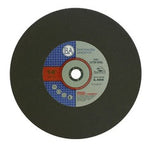
Benchmark Abrasives offers multiple options for miter saws.
Key Components and Their Functions
Understanding the essential parts of your miter saw will help you operate it safely and effectively. Each component plays a crucial role in achieving precise cuts and maintaining safety during operation.
- Blade guard: A critical safety feature that covers the blade during operation, preventing accidental contact.
- Saw fence: Acts as a guide to hold the workpiece firmly, ensuring straight and accurate cuts.
- Miter gauge: Allows precise setting of angles for miter cuts, adjustable from 0° to 45° or more.
- Blade teeth: The cutting edge of the miter saw blade, with tooth count influencing cut quality. Higher tooth counts give smoother finishes, lower tooth counts cut faster.
- Front of the saw: Where you'll often see controls, adjustment levers, and measurement scales.
Always ensure the blade guard is working properly and never remove safety features to speed up your work. A new miter saw with well-maintained parts helps prevent accidents and ensures clean cuts.
Essential Safety Guidelines and Equipment
Personal protective equipment is your first line of defense when operating a miter saw. Following these safety guidelines will protect you from injury and ensure a safe working environment.
- Always wear eye protection and ear protection when operating a miter saw.
- Always wear a dust mask to protect your lungs from fine sawdust, especially during long and heavy projects.
- Wear proper clothing, fitted clothes without loose ends, and secure long hair to avoid entanglement.
- Never wear loose clothing or jewelry that could get caught in the saw.
Workshop Safety Setup and Work Area Preparation
A well-organized workspace is crucial for the safe and efficient operation of a miter saw. Proper setup reduces the risk of accidents and helps you maintain control throughout your cutting tasks.
- Keep your workbench or miter saw stand organized and free of clutter to prevent accidents.
- Ensure your work surface is stable and high enough for comfortable operation.
- Ensure the saw blade comes to a complete stop before you raise it or make any adjustments.
- Make sure no one is near the saw during operation, and always handle the tool with full speed engagement after confirming safe use.
Mastering Different Types of Cuts
For proficiency with a miter saw, it’s essential to master both basic and advanced types of cuts. Starting with fundamental techniques, crosscuts are the foundation, enabling straight and accurate cuts across the wood grain, which is crucial for building frames, panels, and other general carpentry projects. Proper technique and the right blade settings help ensure every cut is clean and precise.
Angular Cuts with Advanced Cutting Methods
Moving into more complex work, angled cuts such as miter and bevel cuts expand your capabilities. These cutting wood techniques are essential for building projects like picture frames, crown molding, or door casings, where precise miter angles and degree angles are critical. Mastering compound cuts, which combine miter and bevel settings, allows you to create intricate joints and decorative features that add a professional finish.
Specialized Applications Trim Work
Specialized applications, such as trim work, require specific cuts for molding, trim, or picture framing. Whether you're cutting crown molding or door casings, practicing project-specific cuts ensures joints fit tightly, resulting in a refined, professional appearance. Developing this skill will help you produce perfect cuts efficiently, elevating your woodworking craftsmanship.
Step-by-Step Operating Instructions
Pre-Cut Setup and Measurement Preparation
- Start by using a tape measure to take your measurements precisely, then mark your cut line with a pencil or marker.
- To make sure your line is perfectly straight and square, use a speed square or bevel gauge before you cut.
- Support the workpiece firmly on your work surface or workbench.
- Clamp the workpiece using a hold-down or stop block to keep it steady and safe.
- Support long or wider boards with extra stands or supports to prevent movement.
- Confirm the waste side (the side to be discarded) is positioned away from your body for safety.
Beginner Techniques for Initial Cuts
- Power on your new miter saw and verify that the blade guard is functioning properly.
- Align the cut line with the saw blade, making sure the blade is straight up and down against your workpiece.
- Hold the workpiece steadily with your left hand (or your dominant hand), keeping it clear of the blade area.
- Ease the saw down into the material, keeping the pressure steady and controlled.
- Use smooth, consistent motion without forcing the saw, letting the blade do the cutting.
- Once the cut is complete, fully raise the saw before withdrawing the workpiece.
Precision Cutting with Advanced Cutting Techniques
- Set your angle cut using the miter gauge or bevel gauge for precise angles.
- Support small pieces with a stop block to ensure uniform, wider boards or long boards are cut accurately.
- Use a slow and steady push for accurate cuts; avoid rushing to prevent the material from wobbling.
- For imperfect or tricky cuts, double-check your cut line and settings before proceeding.
- Use scrap pieces to test your setup and confirm the cut will be clean and correct.
- Always wear eye and ear protection during operation, and maintain your focus on the task at hand.
Comparing Miter Saws to Other Cutting Tools
| Feature | Miter Saw | Table Saw | Circular Saw |
| Primary Function | Precision angled cuts for trim, framing | Ripping large sheets, straight cuts | Versatile for straight cuts, portable |
| Cutting Accuracy | Very high, ideal for precise miter and bevel cuts | Good for straight cuts, less for angles | Moderate; good for quick, rough cuts |
| Portability | Stationary, needs workspace setup | Stationary, large, and heavy | Highly portable, handheld |
| Applications | Finish carpentry, molding, and framing | Large woodworking, sheet cutting | On-site framing, DIY projects |
Traditional vs. Modern Methods – Hand Tools and Power Tools
In the past, hand tools like a handsaw and a miter box were used for simple manual processes. These tools are still effective for small projects. But the power saws, including the miter saw, band saw, and power saw, offer faster, more accurate cuts with less effort.
The miter saw provides a significant advantage in producing consistent angle cuts compared to manual processes, saving time and reducing error. When selecting the right tool, consider the scale of your project, required precision, and whether you prefer traditional hand tools or modern power tools for efficiency.
Pro Tips and Best Practices
1. Double-Check Your Settings Before Every Cut
To consistently achieve perfect cuts, always verify your miter saw settings before cutting. Set your miter angle or cutting angle precisely using a miter gauge or bevel gauge. This simple step prevents costly mistakes and ensures accuracy from the first cut.
2. Secure Your Workpiece Properly
For accurate cuts, secure your workpiece firmly using clamps or hold-downs to prevent movement during cutting. When cutting wider or longer boards, support the workpiece with adequate supports to ensure smooth, clean cuts without binding or splintering.
3. Use Accessories to Enhance Performance
Accessory usage can significantly improve performance; consider third-party cutting guides or clamps designed specifically for your miter saw to enhance stability and accuracy. Regularly checking your blade teeth and tooth count helps maintain clean cuts and prolongs blade life, which is crucial for woodworking or building projects demanding precision.
4. Keep Your Blade Sharp
Keeping your miter saw blade sharp is key to maintaining precision and reducing effort. Use a blade sharpener or get professional sharpening services when blade teeth become dull or chipped. A sharp blade ensures clean cuts and prevents tear-out in delicate woods, especially for detailed woodworking projects.
5. Maintain and Store Your Equipment Properly
For long-term maintenance, regularly clean your equipment of sawdust and debris, use compressed air or a brush, and inspect the blade guard and clamps for wear. Proper storage of your power tools in a dry, organized space prevents rust and damage, ensuring your miter saw performs reliably for years.
6. Don't Rush Your Cuts
Many issues stem from simple mistakes like neglecting to verify cut line alignment or rushing through cuts, which can ruin accuracy. Always ensure your workpiece is firmly secured to prevent movement, which leads to rough or imprecise cuts.
7. Replace Dull Blades Immediately
Avoid using a dull blade; dull blade teeth cause tear-out and uneven cuts, especially in delicate or fine projects. Troubleshooting common problems, such as binding or burn marks, often involves checking your blade condition, adjusting the cutting angle, or supporting your workpiece properly. Remember, patience and proper setup are the keys to achieving perfect cuts that elevate your building projects to professional standards.
Start Your Next Project with Confidence
Accurate cuts are essential for successful DIY projects, and you must know how to use a miter saw to achieve them. It’s the best power tool for precise angle cuts in molding, framing, and building projects. Always prioritize safety precautions, wear protection, and secure your workpiece.
When accuracy and clean cuts matter, a miter saw is the ideal choice. With practice and safety awareness, you will confidently create quality results every time. Keep practicing, and enjoy achieving perfect cuts with your miter saw.
Join Our Newsletter
Sign up to get the latest on sales, new releases and more …Join Our Newsletter
Sign up to get the latest on sales, new releases and more …Shop Categories
Recent Articles
- How to Choose the Right Diamond Blade for Grinder
- Wire Wheels and Brushes: How to Choose the Right One
- How to Deburr Metal Safely and Efficiently
- How to Reduce Heat Discoloration When Grinding Stainless Steel
- How to Achieve a Mirror Finish on Stainless Steel
- A Fabricator’s Guide to Surface Prep Before Powder Coating
- What Causes Burn Marks During Sanding and Grinding, and How to Prevent Them
- Beginner’s Guide to Metal Surface Prep Before Welding
- How to Choose the Right Abrasive Wheel for Your Grinder
- How to Use a Drum Sander: Step-by-Step Guide for Woodworking
Featured Products
-
 746 Reviews
4-1/2" x 7/8" T29 Zirconia High Density Flap Disc - 10 pack
$25.19
-
 738 Reviews
4-1/2" x .040" x 7/8" t1 premium thin cut-off wheel - 25 pack
$20.88
-
 220 Reviews
4-1/2" x 7/8" T27 Zirconia High Density Flap Disc - 10 pack
$25.19
-
 380 Reviews
6" x .045 x 7/8" T1 Premium Thin Cut-Off Wheel - 25 pack
$27.29
-
 55 Reviews
Nonwoven 6" X 9" Scuff, Clean & Finish Hand Pads
$0.83
-
 123 Reviews
4-1/2" x 1/4" x 7/8" T27 Depressed Center Grinding Wheel - 25 pack
$28.34


Blog Categories
- Abrasives
- Sanding
- Grinding Deburring Finishing
- Safety and Cleanliness
- Metal Working
- Selecting Tools And Equipment
- Wood Working
- Art And Design
- Diy Projects
- Industry 4.0
- Buffing
- Cutting Tools
- Carbide Burrs
- PPE
- Wire Brushes
- Bonded Abrasives
- TIG Electrodes
- Wire Wheels
- Bits
- Diamond Blades
- Power Brushes
- Product Reviews
- Grinding
- Finishing
- Industrial Cleaners