




























How to Sharpen Mower Blades with an Angle Grinder

Have you ever wondered why your lawn doesn’t look quite as lush and healthy as you would like? The answer might lie in the sharpness of your mower blades. A well-maintained lawn starts with sharp, efficient mower blades. A sharp mower blade is essential for a clean cut, promoting healthier grass and finer grass clippings. This enhances your overall lawn care. Dull blades struggle to cut grass cleanly, leading to uneven lawns and stressing your mower’s motor.
For those wondering how to sharpen mower blades with an angle grinder, the method we’re about to share stands out as one of the best. Faster than using hand tools and simpler than using a bench grinder, an angle grinder provides a practical and efficient way to sharpen lawn mower blades right at home. By mastering the use of an angle grinder for sharpening, you can extend the lifespan of your mower and get the clean, concise cuts you’re looking for.
This guide will walk you through everything you need to know: from safety preparations to a step-by-step sharpening process, tool comparisons, and useful maintenance tips.
The Significance of Sharpening Mower Blades
Maintaining a sharp blade on your mower is crucial for the health of your grass and the efficiency of your mowing. A sharp blade cuts cleanly through grass blades rather than tearing them like a dull blade, which can lead to ragged, yellow-tipped grass susceptible to disease. Cleaner cuts promote healthier turf, leading to dense, vibrant lawns.
Additionally, sharp blades require less effort from your mower, reducing fuel consumption and prolonging your equipment's life.
Sharpening your mower blade regularly also enhances mowing efficiency, creating faster mowing times with less physical exertion. In home improvement, keeping your mower blades sharp is an easy way to maintain a beautiful, well-manicured lawn. Regularly sharpening blades can also improve the overall health of your turf, making your landscaping efforts more effective and less time-consuming.
Advantages of Regular Sharpening
- Sharp cutting edges improve mower performance, leading to better fuel efficiency.
- Mulching blades benefit from being sharp, as they produce finer clippings that decompose faster, enriching your soil.
- Overall, a sharp blade helps create a more attractive and healthier lawn & garden. It enhances your home improvement projects.
- The consistent sharpness minimizes wear on your mower’s engine, reducing the risk of costly repairs and maintenance. This proactive approach helps in ultimately saving you time and money.
Maintenance of Blades
Routine blade maintenance ensures not only the health of your lawn but also extends the life of your equipment. Incorporating regular sharpening into your home improvement schedule keeps your mowing swift and effective, making your lawn care tasks less time-consuming. Regular checks for nicks, dents, or wear help you address potential issues before they escalate, preserving the mower’s performance.
Moreover, maintaining sharp blades allows for safe operation, preventing accidents caused by jammed or uneven cutting surfaces. Adopting a systematic maintenance routine empowers you to manage your lawn with ease and confidence.
Must-Have Tools and Safety Measures for Effective Sharpening
Sharpening mower blades effectively requires the right combination of tools and precautions. Making sure you have the appropriate equipment allows you to achieve precision and consistency with each sharpening session.
Additionally, safety measures are equally important to protect you from potential hazards during the process. Power tools speed up the task, and personal protective gear guards you against injury.
Tools Options for Sharpening Mower Blades
When it comes to effectively sharpening mower blades, having the right tools on hand can make all the difference. Below is a breakdown of essential and supporting tools you may consider using:
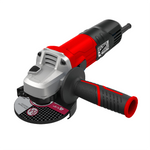
- For sharpening, the ideal power tool is an angle grinder, both corded and cordless. One excellent option is the 4.5-inch corded angle grinder from Benchmark Abrasives, which offers the perfect blend of control and power for quickly sharpening mower blades.
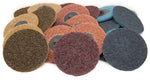
- Choose from grinding wheels, flap discs, and flap wheels, each offering different advantages in achieving the desired sharpness. A grit flap disc, for example, provides smoother results, whereas a standard grinding wheel is more aggressive.
- Supporting tools include a socket wrench and a block of wood for securing blades, a Blade Balancer for proper alignment, and finishing tools such as a hand file, metal file, belt sander, or knife sharpener to finer edges.
- Advanced options like the All American Sharpener or a rotary tool can offer precision finishing.
Safety Measures to Consider
Using power tools and sharp equipment requires serious attention to safety. Keep these important safety practices in mind during the blade sharpening process:
- Always prioritize safety by wearing safety glasses, eye protection, hearing protection, and work gloves. They protect you against flying debris, sparks, and dust that can cause eye injuries during grinding or filing. Clear vision is essential for precise work and safety.
- If you are uncertain about DIY sharpening, consider alternatives like a bench grinder, hand tools, or utilizing a sharpening service or repair shop from places like Harbor Freight, Home Depot, or Amazon.
- Use work gloves to protect your hands from sharp blades, hot surfaces, and metal fragments. Gloves also help maintain a firm grip, reducing the risk of slips that could lead to cuts or accidents.
- Ensure power tools are in good condition and properly grounded or insulated. Check cords, switches, and safety features regularly to prevent electrical shocks or malfunctions during operation.
- Keep your workspace clean and organized by removing clutter and flammable materials. An open, tidy work area reduces the chance of tripping, accidental contact, or fire hazards from sparks.
Related Article: What is an Angle Grinder Used to Grind?
Preparing Your Mower Before Sharpening the Blades
Before you sharpen your lawn mower blades, it's important to take a few essential steps to prepare your mower safely and properly.
- Safety should be your top priority before starting any sharpening process. Start by unplugging the spark plug wire to eliminate the risk of unintentional engine engagement.
- Drain the fuel tank to avoid spills or fires if the mower falls over. Always tip the mower safely on its side for stability.
- Next, secure the mower deck to access the mower’s blades easily. Use a socket wrench to loosen bolts and carefully remove the blades.
- To prevent reinstalling them upside down, mark the orientation with a marker before removal. Place a block of wood between the blade and the deck to prevent movement during sharpening.
- Following proper safety precautions protects you throughout the process.
Step-by-Step Guide to Sharpening Mower Blades with an Angle Grinder
- Secure the mower’s blade in a vise to keep it steady during sharpening.
- Inspect the blade for damage or excessive wear; replace it if necessary with a new blade for safety and performance.
- Determine the cutting angle by comparing the factory angle to the correct angle, typically 20–30° for a sharp edge.
- Set the angle grinder with a grinding wheel, flap disc, or grinding disc to match the correct angle.
- Apply light pressure and work on the side of the blade, making smooth, consistent passes toward the edge of the blade.
- Maintain the degree angle, avoiding over-grinding to prevent creating a knife-edge.
- Repeat on the other side of the blade for an even, balanced edge.
- Use a blade balancer to check unbalanced blades and correct them if necessary.
- For best results, compare freehand sharpening with jig systems like the All American Sharpener or blade grinder jigs.
- Reinstall the sharpened blade, torque the Blade Bolt to the manufacturer’s specifications, and reconnect the spark plug wire.
Related Article: A Complete Guide to Angle Grinder Parts and Replacement Parts
Alternative Methods for Effective Blade Sharpening
While using an angle grinder to sharpen your mower blade is our recommended method, there are alternatives, depending on your preference for manual techniques, specialized equipment, or professional services.
Manual Tools
Using a hand file, metal file, or knife sharpener offers excellent control and is a good idea for small jobs or maintaining your blades between more extensive sharpenings.
1. Hand Files
Hand files are the simplest, most traditional tools for sharpening mower blades. They are ideal for DIY projects, touch-ups, and maintenance between more intensive sharpening sessions. To use, hold the file at the proper bevel angle (usually 20-30°) and draw it along the blade’s edge with even, controlled strokes. They offer excellent control, especially for detailed shaping and finishing. Hand files are perfect for homeowners who want a budget-friendly and accessible method for maintaining sharp blades quickly and accurately.
2. Metal Files
Heavy-duty metal files are similar to hand files but typically larger and more robust. They are suitable for removing heavy nicks or rust from mower blades and restoring dull edges. Metal files provide a high level of control, allowing users to shape and maintain the cutting edge precisely. They're particularly useful for blades that are heavily worn or damaged, helping prolong the blade's life without the need for power tools.
Pros and Cons of Manual Tools
- Pro: Offers excellent control and achieves detailed sharpening.
- Pro: A Budget-friendly and easily available option.
- Con: It can be time-consuming, especially if sharpening multiple blades or dealing with heavily dulled edges.
- Con: It requires some skill and effort to achieve a consistent, effective, sharp edge, which might be tiring on your hands.
Power Tools
Power tools such as bench grinders, belt sanders, blade grinders, and rotary tools are motorized equipment designed to boost the sharpening. They are effective for handling large or heavily dulled blades.
1. Bench Grinder
A bench grinder is a powerful, stationary machine equipped with grinding wheels designed specifically for sharpening blades. It is ideal for handling multiple blades or severely dulled edges quickly and efficiently. The process involves holding the blade at the correct cutting angle against the spinning grinding wheel, removing material, and forming a sharp, durable edge. Proper technique and safety precautions are critical when using a bench grinder to avoid overheating and damaging the blade.
2. Belt Sander
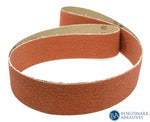
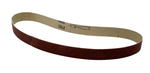
A belt sander is a versatile power tool that uses an abrasive belt to smoothly reshape and sharpen blades. It provides a fast, uniform sharpening process and is excellent for quick work on larger blades. By maintaining the correct degree angle and applying gentle pressure, users can produce an even, sharp edge. Belt sanders are especially useful for DIY enthusiasts seeking an efficient way to keep blades in top condition with less time and exertion.
3. Rotary Tool (with Grinding Attachments)
A rotary tool fitted with grinding or polishing attachments offers precision for detailed sharpening in tight or hard-to-reach areas. Its small size and high-speed rotation make it suitable for fine-tuning the blade edge or creating small chamfers. Ideal for small or intricate blades, rotary tools provide control for maintenance and custom sharpening tasks, making them a must-have tool.
Pros and Cons of Power Tools
- Pro: Sharpen blades quickly and efficiently, saving time and effort, especially when dealing with multiple blades or heavily dulled edges.
- Pro: Capable of delivering consistent, professional results, ensuring a uniform, sharp edge on every blade.
- Con: Typically, more costly upfront than manual tools and require an investment in quality equipment.
- Con: Requires experience and safety precautions, as improper use can damage blades or cause accidents if not handled properly.
Professional Help
While manual and power tools work well for routine sharpening, there are times when a sharpening service or repair shop needs to be considered. If your blades are heavily worn, damaged, or you lack the experience to achieve a proper edge, professional sharpening is safer and likely provides better results.
Investing in expert services can extend the lifespan of your blades and guarantee a sharp, clean edge without risking damage or injury. This is especially recommended for high-value or professional-grade blades that require precise sharpening techniques.
Testing and Maintaining Your Sharpened Blades
- Once you have sharpened mower blades, reinstall them carefully and check the mower deck to ensure proper alignment.
- Start the mower and observe the grass cutting process. Look for clean cuts and even grass clippings, indicating sharp blades.
- For consistent grass cutting quality, schedule blade sharpening every half hour of mowing for a reel mower or roughly once a year for a rotary mower.
- Replace the old blade with a new one if it becomes too thin or damaged. Keeping blades sharp leads to a better experience, longer tool life, and better results in your lawn care.
- Next time, perform this maintenance routine to enjoy longer-lasting blades and maintain a beautiful, healthy lawn.
Ready to Sharpen Your Blades?
A sharp blade means a cleaner lawn, easier lawncare, and a longer mower life. The best way to sharpen lawn mower blades with an angle grinder is by using the right abrasives, such as a grinding wheel or a flap disc. This creates better results and extends the power source’s life.
Upgrade your abrasives now for better results. Browse our shop and choose high-quality tools and abrasives from our trusted brand, Benchmark Abrasives. Proper sharpening keeps your mower running smoothly and your lawn looking at its best.
FAQs
1. What’s the best way to sharpen mower blades?
The most effective way to sharpen mower blades is by using an angle grinder fitted with a suitable abrasive, such as a grinding wheel or flap disc. This method is both efficient and versatile, allowing you to achieve a sharp edge smoothly and consistently. Maintaining the correct angle, typically between 20 and 30 degrees, provides a clean, precise cut..
2. Can I use a cheap angle grinder?
Yes, you can use a cheap angle grinder to sharpen mower blades. While more affordable models may not offer as much power or durability as higher-end tools, they can still get the job done effectively for average jobs. To achieve optimal results, choose the appropriate abrasive and maintain a consistent angle and pressure while sharpening, regardless of the equipment's cost.
3. How sharp should mower blades be, razor sharp or just a sharp edge?
Mower blades should not be razor sharp, as ultra-fine edges become easily damaged and tend to dull quickly. Instead, aim for a robust, sharp edge that efficiently cuts grass without tearing. This balance helps the blade be sharp enough to provide a clean cut, resulting in a healthier and better-looking lawn.
4. Do electric mowers need blade sharpening, too?
Yes, electric mowers also require regular blade sharpening to maintain optimal performance. Dull blades can lead to uneven cuts and strain the motor, reducing efficiency and increasing wear. Regularly sharpening the blades keeps your electric mower running smoothly and ensures a clean, even cut, promoting a healthier lawn.
5. Can I damage my mower with an unbalanced blade?
Absolutely. Operating a mower with an unbalanced blade can cause excessive vibration, potentially leading to damage to the mower’s shaft and motor. This imbalance can also result in uneven cutting and increased noise during operation. To prevent these issues, always check and balance your blades after sharpening and before reinstallation.
6. Is buying a Lawn Mower Blade Sharpener attachment worth it?
Investing in a lawn mower blade sharpener attachment can be worthwhile if you frequently mow and maintain lawns. They can quickly pay for themselves by reducing the time spent on maintenance and improving the overall efficiency and lifespan of your mower blades.
Join Our Newsletter
Sign up to get the latest on sales, new releases and more …Join Our Newsletter
Sign up to get the latest on sales, new releases and more …Shop Categories
Recent Articles
- How to Choose the Right Diamond Blade for Grinder
- Wire Wheels and Brushes: How to Choose the Right One
- How to Deburr Metal Safely and Efficiently
- How to Reduce Heat Discoloration When Grinding Stainless Steel
- How to Achieve a Mirror Finish on Stainless Steel
- A Fabricator’s Guide to Surface Prep Before Powder Coating
- What Causes Burn Marks During Sanding and Grinding, and How to Prevent Them
- Beginner’s Guide to Metal Surface Prep Before Welding
- How to Choose the Right Abrasive Wheel for Your Grinder
- How to Use a Drum Sander: Step-by-Step Guide for Woodworking
Featured Products
-
 746 Reviews
4-1/2" x 7/8" T29 Zirconia High Density Flap Disc - 10 pack
$25.19
-
 738 Reviews
4-1/2" x .040" x 7/8" t1 premium thin cut-off wheel - 25 pack
$20.88
-
 220 Reviews
4-1/2" x 7/8" T27 Zirconia High Density Flap Disc - 10 pack
$25.19
-
 380 Reviews
6" x .045 x 7/8" T1 Premium Thin Cut-Off Wheel - 25 pack
$27.29
-
 55 Reviews
Nonwoven 6" X 9" Scuff, Clean & Finish Hand Pads
$0.83
-
 123 Reviews
4-1/2" x 1/4" x 7/8" T27 Depressed Center Grinding Wheel - 25 pack
$28.34


Blog Categories
- Abrasives
- Sanding
- Grinding Deburring Finishing
- Safety and Cleanliness
- Metal Working
- Selecting Tools And Equipment
- Wood Working
- Art And Design
- Diy Projects
- Industry 4.0
- Buffing
- Cutting Tools
- Carbide Burrs
- PPE
- Wire Brushes
- Bonded Abrasives
- TIG Electrodes
- Wire Wheels
- Bits
- Diamond Blades
- Power Brushes
- Product Reviews
- Grinding
- Finishing
- Industrial Cleaners