




























How to Get a Brushed Metal Finish Using a Drum Sander

Whether you’re looking at a high-end stainless steel refrigerator, a custom automotive trim piece, or an industrial architectural accent, there is a specific look that defines modern "cool": the brushed metal finish. Achieving that professional, brushed surface isn’t about luck; it’s about creating a consistent, linear scratch pattern that catches the light just right.
In the world of metal fabrication, we often look at tools for their raw power. Take flap discs, for example: traditionally a heavy-duty metalworking tool used for grinding and blending, they’ve recently become a versatile secret weapon in woodworking for shaping live-edge slabs. But when it comes to achieving a brushed metal finish on stainless steel, the drum sander (often called a burnishing tool or linear finisher) is the undisputed king.
This guide will walk you through the metal finishing process step by step, ensuring you achieve a sophisticated brushed texture without the amateurish swirl marks common with handheld sanders.
What are Brushed Metal Finishes?
The brushed stainless steel finish serves a practical purpose beyond mere aesthetics. This controlled application of fine lines creates a distinct, functional texture on the metal parts.
The aesthetic appeal of brushed metal, whether it’s brushed nickel or steel, lies in its ability to diffuse light. Unlike a mirror finish, which reflects everything, a brushed surface has a soft, industrial look that hides fingerprints and minor scratches beautifully.
A proper brush can improve wear resistance and, in some cases, enhance corrosion resistance by making sure that a clean, passivated stainless steel surface is exposed. From high-traffic kitchen appliances to decorative sheet metal in elevator interiors, the "linear finish" is the industry standard for a refined look.
Related Article: What Are the Different Types of Metal Finishing?
Drum Sander and Accessories As a Solution
If you’ve ever tried to get a brushed stainless steel finish using a standard belt sander or a wire wheel, you know the frustration of "stray" scratches.
Switch to a drum sander. They’re specifically designed for linear finishing.
How it Works
Unlike an orbital sander that moves in circles, a drum sander spins an abrasive drum on a horizontal axis. This creates a perfectly straight, unidirectional satin finish. By using various drum sander accessories, you can control the "depth" of the scratch.
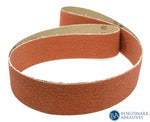
- Abrasive Belts: Usually used over an inflatable or expandable drum for heavy material removal and initial surface preparation.
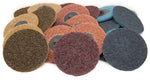
- Abrasive Pads (Non-woven): These are the "secret sauce." Made of nylon fibers impregnated with abrasive grains, these pads create the soft, blurry lines characteristic of a brushed surface.
Comparing this to a wire wheel is like comparing a paintbrush to a rake. The drum sander offers a repeatable, high-quality finish that is impossible to mimic with smaller, non-linear tools.
At Benchmark Abrasives, we provide a full range of linear finishing drum sanders specifically for this purpose.
Related Article: Introduction to Drum Sanders & Linear Finishing for Metalworkers
Metal Surface Preparation
You cannot brush your way out of a dirty surface. Surface preparation is 70% of the job.
Here’s how to do it:
- Clean and Degrease: Use a high-quality solvent to remove any oils, waxes, or cutting fluids from the metal surface. Contaminants can "load" your abrasive belts, causing them to slip or burn the metal.
- Identify Surface Defects: Look for deep gouges or surface roughness. If your base material (like a stainless steel sheet) has deep scratches, you’ll need to grind them out first.
- Material Check: While this process is famous for stainless, it works beautifully on soft metals like aluminum and brass, though these require a lighter touch and often specific lubricants to prevent clogging.
Step-by-Step Brushing Process
Obtaining a uniform, unidirectional satin finish demands a steady hand and careful patience. Here is the brushing process, detailed step-by-step.
Safety Warning: Metal finishing creates fine metallic dust and sparks. Always wear a NIOSH-approved respirator, wrap-around eye protection, and heavy-duty gloves. Ensure your workpiece is clamped securely, as a drum sander has significant torque and can throw a piece of sheet metal if it catches an edge.
Step 1: Initial Material Removal
If your metal is raw or has scale, start with a coarser grit (usually 60 to 80 grit) abrasive belt on your drum sander. The goal here is to create a level, clean surface.
Step 2: Refining the Scratch
Switch to a finer grit (120 to 180). This begins to transform the heavy grinding marks into the fine lines we associate with a brushed texture.
Step 3: The Final Brush
This is where you switch from abrasive sandpaper belts to non-woven abrasive pads or interleaf drums. These drums combine sandpaper and scotch-brite-style material to create the matte or satin brushed surface.
Pro Technique: Use long, continuous brush strokes. If you stop the tool in the middle of the sheet, you will create a "dwell mark" that is very difficult to remove. Start the tool off the metal, move onto the piece in a straight line, and follow through on the other side.
Achieving Different Brushed Finishes
In the industry, we talk about number 3/4 finishes.
- No. 3 Finish: A coarser, more "linear" look. Usually achieved with 100-120 grit.
- No. 4 Finish: The standard finish. It’s a sophisticated look with a finer scratch pattern, typically finished with a medium non-woven drum (using 150-180 grit).
Surface roughness (measured in Ra) decreases as you move to finer drums, increasing light reflection and giving the metal a more modern look. Adjusting the drum sander's pressure and speed will let you customize the brushed texture to match existing appliances.
Finishing After Sanding Disc Prep
Sometimes, a drum sander isn't the first tool on the scene. If you are repairing a damaged metal surface, you might start with sanding discs.
Many pros use PSA discs (pressure-sensitive adhesive) or hook-and-loop discs on a random orbital sander to level welds or remove deep surface defects. However, this leaves a circular scratch pattern. To fix this:
- Sand with hook-and-loop discs up to 180 grit.
- Transition to the drum sander with a medium-grit non-woven drum.
- The drum sander will "convert" the circular scratches into fine lines.
This sequence ensures smooth surfaces that are perfectly prepped for a clear coat or protective coating if the metal isn't stainless.
Common Mistakes to Avoid
Be mindful of the common errors that can derail your finishing project:
- Swirl Marks: Caused by using an orbital sander too late in the process. Always finish with linear finishing tools.
- Uneven Brushing: This happens when you apply more pressure on one side of the drum than the other. Keep the drum sander flat against the workpiece.
- Heat Buildup: Overworking the metal can cause "blueing" or warping, especially on thin stainless steel surfaces. If the metal is too hot to touch, stop and let it cool.
- Skipping Grits: Moving from a coarser grit (60) to a finer grit (320) too quickly will leave deep "ghost" scratches beneath your finish.
Optional Buffing and Polishing Tips
If you want a polished finish that still has a hint of the brushed grain, you can follow up your brushing with a soft cloth drum and a light polishing compound.
There is a fine line between a matte brushed look and a mirror finish. For a reflective surface that still looks "brushed," use a very fine (superfine) nonwoven drum. This preserves the fine lines while increasing the final product's reflectivity. You can even use a bit of steel wool to hand-touch small metal parts that the drum can't reach.
Perfect Your Brushed Metal Finish Every Time
Mastering how to get a brushed metal finish is a game-changer for any fabrication shop. It transforms raw, ugly metal parts into a final product with a sophisticated look and high aesthetic appeal. The key is the tool—a drum sander provides the linear finishing necessary for that unidirectional satin finish.
By selecting the right drum sander accessories, following the correct brushing technique, and respecting the surface preparation phase, you will get professional results every time.
Ready to start your finishing project? At Benchmark Abrasives, we carry everything you need to succeed, from the tools themselves to the specialized drums.
Join Our Newsletter
Sign up to get the latest on sales, new releases and more …Join Our Newsletter
Sign up to get the latest on sales, new releases and more …Shop Categories
Recent Articles
- How to Choose the Right Diamond Blade for Grinder
- Wire Wheels and Brushes: How to Choose the Right One
- How to Deburr Metal Safely and Efficiently
- How to Reduce Heat Discoloration When Grinding Stainless Steel
- How to Achieve a Mirror Finish on Stainless Steel
- A Fabricator’s Guide to Surface Prep Before Powder Coating
- What Causes Burn Marks During Sanding and Grinding, and How to Prevent Them
- Beginner’s Guide to Metal Surface Prep Before Welding
- How to Choose the Right Abrasive Wheel for Your Grinder
- How to Use a Drum Sander: Step-by-Step Guide for Woodworking
Featured Products
-
 746 Reviews
4-1/2" x 7/8" T29 Zirconia High Density Flap Disc - 10 pack
$25.19
-
 738 Reviews
4-1/2" x .040" x 7/8" t1 premium thin cut-off wheel - 25 pack
$20.88
-
 220 Reviews
4-1/2" x 7/8" T27 Zirconia High Density Flap Disc - 10 pack
$25.19
-
 380 Reviews
6" x .045 x 7/8" T1 Premium Thin Cut-Off Wheel - 25 pack
$27.29
-
 55 Reviews
Nonwoven 6" X 9" Scuff, Clean & Finish Hand Pads
$0.83
-
 123 Reviews
4-1/2" x 1/4" x 7/8" T27 Depressed Center Grinding Wheel - 25 pack
$28.34


Blog Categories
- Abrasives
- Sanding
- Grinding Deburring Finishing
- Safety and Cleanliness
- Metal Working
- Selecting Tools And Equipment
- Wood Working
- Art And Design
- Diy Projects
- Industry 4.0
- Buffing
- Cutting Tools
- Carbide Burrs
- PPE
- Wire Brushes
- Bonded Abrasives
- TIG Electrodes
- Wire Wheels
- Bits
- Diamond Blades
- Power Brushes
- Product Reviews
- Grinding
- Finishing
- Industrial Cleaners