





























A Fabricator’s Guide to Surface Prep Before Powder Coating

While the final spray of colorful powder is the most satisfying part of the job, the true success of any project is decided long before the trigger is pulled. If you want a finish that survives the elements and looks professional, you have to treat surface preparation as the most critical stage of your workflow.
Why Surface Preparation for Powder Coating Matters
In the world of industrial finishing, surface preparation for powder coating is the invisible foundation that determines whether a project succeeds or fails. Proper preparation is not just about making the metal look clean; it is about creating a chemically and mechanically receptive surface that ensures maximum corrosion resistance. Without this foundation, the powder coating process is essentially just a temporary mask that will eventually fail, leading to adhesion failure and a drastically reduced life span for the part.
Understanding how powder coating works requires recognizing that the powder particles need a perfectly clean surface to bond effectively. A quality finish is the result of thousands of tiny mechanical bonds forming between the polymer and the metal substrate. When you prioritize prep, you ensure that the protective coating behaves as intended, providing the durability and high-quality powder coating results that customers and hobbyists alike expect.
What Happens If You Skip Proper Surface Preparation?
Skipping prep work is a risk that's rarely worth it, usually resulting in immediate or delayed surface damage. One of the most common problems is the dreaded orange peel texture, where the powder doesn't flow evenly over surface impurities, resulting in a bumpy, citrus skin-like finish. Even worse, adhesion problems can occur, causing the part to peel or flake immediately after leaving the curing oven.
Contamination is the primary enemy of powder coating adhesion. Even microscopic surface contaminants, such as fingerprints or light oils from handling, can create a barrier that prevents the powder from bonding to the metal. To achieve quality results that last for years, you must treat every square inch of the metal with the same level of scrutiny, ensuring no residues remain to compromise the final product.
Surface Preparation Process: Step-by-Step
Step 1 – Cleaning the Metal Surface (The First Step)
The first step in any preparation process is the cleaning step, which focuses on the removal of organic soils. This usually involves chemical cleaning using an alkaline cleaner or a specialized cleaning solution designed to break down oils, grease, and shop grime. It is vital to use a solution that removes oils completely without leaving its own residue behind.
A truly clean surface is achieved when water "sheets" off the part rather than beading up. Cleaning the metal surface thoroughly ensures that subsequent mechanical or chemical treatments can reach the actual metal parts rather than fighting through a layer of grease. This stage sets the tone for the entire prep process.
Step 2 – Mechanical Prep: Sanding and Abrasive Blasting
Once the part is degreased, you move to mechanical preparation to create a "tooth" for the powder. Abrasive blasting, also known as sandblasting or media blasting, is the preferred method for removing mill scale, rust, and old coatings. The choice of blast media, ranging from aggressive grit sandpaper for manual work to glass beads for more delicate items, determines the final surface profile.
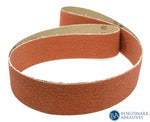
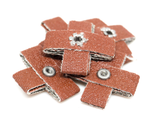
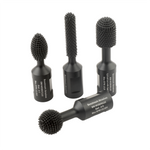
The goal here is to create a consistent anchor profile, which is a microscopic pattern of peaks and valleys that increases the surface area for the powder to grip. A properly prepared surface should have a uniform matte appearance. For those working on smaller or more detailed items, using the best sanding tools for metal prep can provide the precision needed to clear away imperfections in areas where a blast nozzle might not reach.
Step 3 – Chemical Pretreatment and Conversion Coating
After the metal is mechanically profiled, the pretreatment process often includes a conversion coating to provide long-term corrosion protection. This involves applying an acidic solution, such as a zinc phosphate coating, which reacts with the substrate material to form a non-conductive layer. This layer serves as an incredible base for the coating system, preventing rust from spreading even if the powder is later scratched or chipped.
Proper surface preparation in an industrial setting almost always includes this chemical stage. It bridges the gap between the raw metal and the polymer, ensuring the bond is as strong as possible while adding a secondary defense against the environment.
Step 4 – Drying and Final Surface Inspection
The final step before coating is ensuring the part is completely dry and free of any lingering dust. Using filtered compressed air is the best way to blow out recessed areas and blind holes where moisture or blast media might hide. Any moisture left on the part will turn to steam in the curing oven, causing bubbles and surface contaminants to ruin the finish. Quality control is paramount during this prep process.
Perform a final surface inspection under bright lights to look for missed spots, flash rust, or lint. Once the part is cleared, it should be moved directly to the coating booth to prevent any new contamination.
Common Surface Preparation Methods for Powder Coating
There are several preparation methods used in the industry, and the best way to choose one depends on your volume and equipment. Sandblasting is the gold standard for heavy-duty parts, while chemical cleaning and multi-stage dip tanks are common in high-volume manufacturing. Following best practices usually means a combination of these techniques, using media blasting for the profile and chemical pretreatment for corrosion resistance.
Surface Preparation by Material Type
Cast Iron and Carbon Steel
Parts made of carbon steel or cast iron are notoriously prone to rust and mill scale. These materials require aggressive abrasive blasting to reach white metal before any coating can be applied. Because cast iron is porous, it can also trap oils; pre-heating the part in the oven to "outgas" these contaminants before the final cleaning is a common pro tip to avoid surface defects.
Aluminum and Stainless Steel
An aluminum surface requires a different touch because the metal is softer and develops a layer of zinc oxide almost immediately upon exposure to air. For these non-ferrous metals, a milder conversion coating is often used to ensure powder coating adhesion without damaging the substrate. Stainless steel, while naturally resistant to corrosion, still needs a light surface profile to ensure the powder particles have something to hold onto.
How Surface Prep Impacts Powder Coating Adhesion and Finish
The quality of your prep directly correlates to the finish quality of the final product. Proper bonding allows for a consistent coating thickness, which prevents the powder from pooling in corners or thinning out over edges. When the powder particles are attracted to a perfectly clean, profiled surface, they melt and flow into a high-quality finish that looks deep and uniform. If the prep is uneven, the powder coating finishes will reflect those flaws. A smooth surface is only possible if the metal underneath is free of pits and scratches. The entire coating system relies on that initial mechanical and chemical bond to perform its job.
Inside the Powder Coating Process (After Prep)
Once prep is complete, the powder application begins. A powder coating gun gives the dry powder a static charge, causing it to wrap around the part inside the coating booth. From there, the part enters the curing oven, where it undergoes the curing process.
During the cure schedule, the part is heated to specific degrees Fahrenheit (usually between 375 and 400 degrees) for a set amount of time. These high temperatures allow the powder to cross-link and harden into a durable shell. If the prep was handled correctly, this shell will be virtually inseparable from the metal.
Surface Preparation for Industrial Powder Coating Applications
In industrial powder coating, consistency is everything. Manufacturing processes across various industries rely on automated lines where larger parts are moved through spray washers and blast cabinets at a steady pace. Professional powder coating services and every skilled powder coater know that their reputation is built on the durability of the coated parts they produce, which is why industrial-scale prep is so rigorous.
Common Surface Prep Errors (and How to Avoid Them)
Even pros can run into trouble if they get complacent. Adhesion failure is often caused by improper prep, such as failing to change out old cleaning solutions or using contaminated blast media. Surface defects such as "fish-eyes" are frequently caused by fingerprints or silicone overspray in the shop.
The best practices involve wearing clean gloves when handling parts after the cleaning stage. It is also a good idea to maintain a dedicated prep area that is physically separated from where grinding or oil-based work is performed to prevent airborne contaminants from settling on your clean parts.
Quality Control and Inspection Before Coating
A smooth surface is the goal of the finishing process, and quality control is the only way to guarantee it. Check the prepared surface for uniform color and texture. If you are unsure about the drum sander vs wide belt sander finish for large flat plates, remember that a consistent linear scratch pattern is always better for adhesion than a random, uneven one.
Environmental and Safety Considerations
One of the biggest wins for the powder coating industry is its environmental profile. Unlike liquid paint, powder coating does not rely on volatile organic compounds (VOCs), making it a much safer coating system for the environment. However, shop safety is still vital. Always wear proper respiratory protection when sandblasting and ensure your coating area has adequate ventilation to manage the dry powder.
Prep Like a Pro for Flawless Powder Coating Results
- Proper surface preparation is the foundation of powder coating success
- Cleaning removes oils, contaminants, and debris that block adhesion
- Abrasive blasting creates the ideal surface profile for mechanical bonding
- Conversion coatings improve corrosion resistance and long-term durability
- Skipping prep leads to adhesion failure, surface defects, and a poor finish
Consistently following best practices ensures high-quality powder coating results every time. Upgrade your prep process with high-performance abrasives from Benchmark Abrasives. Shop tools for sanding, blasting, and surface prep built for consistent, professional results. Get the durability and high-quality finish your projects demand and ensure your quality results stand the test of time.
Join Our Newsletter
Sign up to get the latest on sales, new releases and more …Join Our Newsletter
Sign up to get the latest on sales, new releases and more …Shop Categories
Recent Articles
- How to Choose the Right Diamond Blade for Grinder
- Wire Wheels and Brushes: How to Choose the Right One
- How to Deburr Metal Safely and Efficiently
- How to Reduce Heat Discoloration When Grinding Stainless Steel
- How to Achieve a Mirror Finish on Stainless Steel
- A Fabricator’s Guide to Surface Prep Before Powder Coating
- What Causes Burn Marks During Sanding and Grinding, and How to Prevent Them
- Beginner’s Guide to Metal Surface Prep Before Welding
- How to Choose the Right Abrasive Wheel for Your Grinder
- How to Use a Drum Sander: Step-by-Step Guide for Woodworking
Featured Products
-
 746 Reviews
4-1/2" x 7/8" T29 Zirconia High Density Flap Disc - 10 pack
$25.19
-
 738 Reviews
4-1/2" x .040" x 7/8" t1 premium thin cut-off wheel - 25 pack
$20.88
-
 220 Reviews
4-1/2" x 7/8" T27 Zirconia High Density Flap Disc - 10 pack
$25.19
-
 380 Reviews
6" x .045 x 7/8" T1 Premium Thin Cut-Off Wheel - 25 pack
$27.29
-
 55 Reviews
Nonwoven 6" X 9" Scuff, Clean & Finish Hand Pads
$0.83
-
 123 Reviews
4-1/2" x 1/4" x 7/8" T27 Depressed Center Grinding Wheel - 25 pack
$28.34


Blog Categories
- Abrasives
- Sanding
- Grinding Deburring Finishing
- Safety and Cleanliness
- Metal Working
- Selecting Tools And Equipment
- Wood Working
- Art And Design
- Diy Projects
- Industry 4.0
- Buffing
- Cutting Tools
- Carbide Burrs
- PPE
- Wire Brushes
- Bonded Abrasives
- TIG Electrodes
- Wire Wheels
- Bits
- Diamond Blades
- Power Brushes
- Product Reviews
- Grinding
- Finishing
- Industrial Cleaners