


























How to Achieve a Mirror Finish on Stainless Steel

To mirror-polish stainless steel, grind out scratches, welds, and mill scale with a coarse abrasive, then climb the grits while cleaning the surface between each step so coarse particles don't carry over. Once it's uniformly smooth, move to a buffing wheel with a cutting compound, then a soft wheel with a finishing compound for the final reflective shine. Skipping grits or pressing too hard are the two mistakes that ruin a mirror finish.
A mirror-like polished stainless steel surface isn't just about aesthetics; it demonstrates a commitment to precision. While a brushed finish or satin finish can hide minor imperfections, a mirror effect reveals everything. Achieving that perfect mirror finish requires patience, a disciplined progression of grit, and the right polishing method. This guide will walk you through a professional workflow to get a consistent, professional mirror finish.
Understanding Stainless Steel Finishes Before You Start
Before you select an angle grinder, it is essential to understand the starting state of your stainless steel surface.
- The #8 Mirror Finish: Often called a "Super Mirror," this is the industry standard for high-reflectivity. It involves metal polishing until it achieves a near-perfect mirror reflection with no visible grain lines.
- The Impact of Grade: Different types of stainless steel possess varying levels of hardness. Harder alloys will require more aggressive initial cutting to remove deep scratches and mill finish marks, while softer grades may polish more quickly but are more prone to warping if overheated.
If you are starting with a matte finish or heavy grain lines, you must first grind the surface flat before you can even consider polishing.
Related Post: How to Choose The Right Grit Flap Discs For Your Project
Best Abrasives for Mirror Finishing Stainless Steel
The secret to a mirror-like surface is not the final buff—it is the preparation. You must remove the scratches from the previous grit before moving to the next.
Grit Progression: Start with coarse grit sandpaper or a flap disc to level the metal, then progressively move through medium and fine grits.
Abrasive Selection:
- Flap Discs: Excellent for blending weld marks and removing imperfections from the initial surface finish of stainless steel.
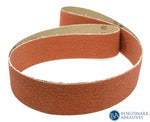
- Abrasive Belts: Ideal for consistent material removal on flat stainless steel sheets.
- Buffing Wheels: Once the surface is smooth (usually around 400–600 grit), switch to buffing wheels paired with polishing compound or polishing paste to bring out the final luster.
How to Achieve a Mirror Finish: Step-by-Step Guide
Step 1: Remove Surface Imperfections
Use a coarse abrasive to grind away mill scale, welds, or deep scratches. The goal here is to create a uniform, flat metal surface. Do not move on until every deep scratch from this stage is gone.
Step 2: Progress Through Finer Grits
This stage sets the surface uniformity the buff depends on. Work your way up: 80, 120, 220, 320, and finally 400 or 600 grit. Sand in a consistent pattern, cleaning the workpiece between every grit change to ensure no rogue coarse particles carry over.
Step 3: Start the Buffing Process
Switch to a sisal or stitched buffing wheel with a "cutting" polishing compound. This removes the finest sanding marks. Keep the wheel moving at all times to prevent overheating the surface of the stainless steel.
Step 4: Final Polishing for a Mirror Effect
Use a soft, loose-cotton buffing wheel with a finishing polishing agent. Apply a thin layer of compound and use a light, steady touch. Inspect the surface under bright, directional lighting to spot any remaining haze or swirl marks. Finally, use a clean microfiber cloth to buff away residue.
Common Mistakes That Prevent a Perfect Mirror Finish
- Skipping Grit Levels: Trying to jump from 120 grit to a buffing wheel will leave visible "fishhooks" or deep scratches that you cannot buff out.
- Applying Too Much Pressure: Much pressure generates excessive heat, which can warp thin sheet metal and burn the stainless steel, leaving permanent discoloration.
- Cross-Contamination: Never use a buffing wheel that has been used for carbon steel on stainless steel. Even minor contamination will cause the surface to rust later.
Cleaning and Maintaining Mirror-Polished Stainless Steel
Once you have achieved that high-gloss look, maintenance is simple but critical. Use a mild detergent, warm water, and a clean cloth to wipe away fingerprints. Avoid harsh chemicals. For a quick touch-up, a drop of olive oil on a microfiber cloth can help maintain high reflectivity and hide light streaks.
Choosing the Right Tools for Commercial and Fabrication Applications
For production shops, efficiency is key. Professionals often use belt sanders for large surface areas and bench polishers for smaller finished products. In commercial food-grade fabrication or architectural trim, the consistency provided by high-quality power tools and professional-grade abrasives is what keeps costs down and throughput up.
FAQs
1. What grit is best for polishing?
You typically need to progress up to at least 400 or 600 grit before switching to buffing wheels and compounds.
2. Can you achieve a mirror finish with an angle grinder?
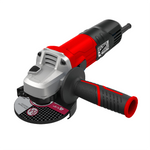
Yes, you can achieve a mirror finish with an angle grinder. You'll need to use a flap disc for the initial blending, followed by a felt or stitched buffing wheel.
3. What is an #8 mirror finish?
It is the highest level of polish, defined by its extreme reflectivity and total lack of visible surface grain.
4. What polishing compound works best for stainless steel?
Use a "cutting" compound (like brown or black) first to remove fine scratches, followed by a "coloring" or finishing compound (like green or white) for the final shine.
From Raw Metal to Reflection: Building a True Mirror Finish
A mirror finish comes from disciplined surface prep, not the final buff. By starting with the correct surface prep, adhering strictly to a grit progression, and using high-quality abrasive compounds, you can get a mirror-like finish.
Ready to achieve a perfect, premium-quality shine? Benchmark Abrasives offers professional-grade solutions to help you achieve consistent, reflective results, from quick scratch removal to a final high-gloss buff. Check out our range of stainless steel polishing abrasives, flap discs, and abrasive belts to create the ideal grit progression for polishing stainless steel. Don't forget to check out our buffing wheels and polishing compounds to achieve that perfect, mirror-like shine.
Join Our Newsletter
Sign up to get the latest on sales, new releases and more …Join Our Newsletter
Sign up to get the latest on sales, new releases and more …Shop Categories
Recent Articles
- How to Choose the Right Diamond Blade for Grinder
- Wire Wheels and Brushes: How to Choose the Right One
- How to Deburr Metal Safely and Efficiently
- How to Reduce Heat Discoloration When Grinding Stainless Steel
- How to Achieve a Mirror Finish on Stainless Steel
- A Fabricator’s Guide to Surface Prep Before Powder Coating
- What Causes Burn Marks During Sanding and Grinding, and How to Prevent Them
- Beginner’s Guide to Metal Surface Prep Before Welding
- How to Choose the Right Abrasive Wheel for Your Grinder
- How to Use a Drum Sander: Step-by-Step Guide for Woodworking
Featured Products
-
 746 Reviews
4-1/2" x 7/8" T29 Zirconia High Density Flap Disc - 10 pack
$25.19
-
 738 Reviews
4-1/2" x .040 x 7/8" T1 Premium Thin Cut-off Wheel - 25 pack
$20.88
-
 220 Reviews
4-1/2" x 7/8" T27 Zirconia High Density Flap Disc - 10 pack
$25.19
-
 380 Reviews
6" x .045 x 7/8" T1 Premium Thin Cut-Off Wheel - 25 pack
$27.29
-
 123 Reviews
4-1/2" x 1/4" x 7/8" T27 Depressed Center Grinding Wheel - 25 pack
$28.34
-
 55 Reviews
Nonwoven 6" x 9" Scuff, Clean & Finish Hand Pads
$0.83


Blog Categories
- Abrasives
- Sanding
- Grinding Deburring Finishing
- Safety and Cleanliness
- Metal Working
- Selecting Tools And Equipment
- Wood Working
- Art And Design
- Diy Projects
- Industry 4.0
- Buffing
- Cutting Tools
- Carbide Burrs
- PPE
- Wire Brushes
- Bonded Abrasives
- TIG Electrodes
- Wire Wheels
- Bits
- Diamond Blades
- Power Brushes
- Product Reviews
- Grinding
- Finishing
- Industrial Cleaners