



























How to Choose the Right Abrasive Wheel for Your Grinder

Choosing an abrasive wheel is a lot like choosing tires for a car. You wouldn’t put racing slicks on a tractor, and you certainly wouldn’t take a minivan off-roading with low-profile street tires. In the world of power tools and grinding tools, the stakes are arguably higher. Using the wrong wheel doesn’t just result in poor performance; it can be a genuine safety hazard.
Choosing the correct abrasive wheel for your grinder is essential for achieving a professional finish, rather than damaging your project in a spray of sparks. For optimal results, your selection must be a calculated choice based on three key factors: the type of grinder you are using, the material you are working on, and the specific grinding task required. This guide provides a practical roadmap to help you select the right wheel, enabling you to work more efficiently, quickly, and safely.
Types of Grinding Wheels
Before we dive into the "which," we need to understand the "what." Though they may all appear to be similar dark, gritty circles, the abrasive wheels used in shops throughout the United States possess a wide variety of internal chemical compositions and physical structures.
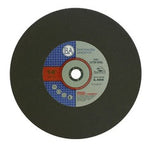
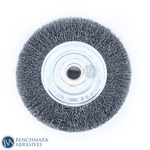
Grinding wheels are usually 1/4 inch thick or more, designed for heavy peripheral or side grinding. Cut-off wheels are thin (often 0.045 inch to 1/16 inch) and designed exclusively for slicing through metal. Straight wheels are a foundational design used primarily on bench grinders for peripheral grinding. You will also see flap discs, which are hybrid tools using overlapping sandpaper flaps. While traditionally a metalworking tool, flap discs are increasingly popular for aggressive shaping on wood surfaces due to their forgiveness an d cool-running nature. Finally, wire wheels are used for cleaning, deburring, and paint removal rather than material removal.
To understand the deeper technical nuances, you can explore more on the different types of abrasive wheels and what exactly defines an abrasive wheel in our technical archives.
Match the Wheel to Your Grinder Type
The tool in your hand dictates the physical constraints of the wheel. Using a wheel not rated for your machine's high-speed output is a recipe for catastrophic failure.
Angle Grinders
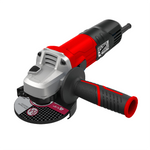
The angle grinder is the undisputed king of the versatile shop. It handles grinding operations, cutting wheel tasks, and blending with flap discs. The golden rule is to always check the wheel speeds. Your wheel must have an RPM rating higher than the maximum speed of your grinder. For grinding, look for Type 27 (depressed center) wheels, which allow for a flatter grinding angle without the spindle nut hitting the work. Finding the right type for your specific angle grinder ensures both safety and efficiency.
Bench Grinders
A bench grinder is a stationary grinding machine designed for precision grinding and tool sharpening. You will typically use aluminum oxide wheels for general steel or a silicon carbide wheel for non-ferrous metals and carbide tools. These are ideal for creating flat surfaces on small parts or putting a fresh edge on a chisel.
Chop Saws and Cut-Off Tools
Unlike grinders, chop saws are dedicated to the cutting action. Here, you want cut-off wheels that minimize the material removal rate of the cut itself, allowing for faster, cleaner slices. Always focus on wheel use intended for cutting; never use a cut-off wheel for side grinding, as its thin construction is not designed to handle lateral pressure.
Related Article: Type 1 vs. Type 27 vs. Type 29 vs. Type 28 Grinding Wheels
Match the Wheel to the Material
The chemistry of the abrasive grains must play nicely with the chemistry of your metal. If you mismatch them, you will experience loading, where the metal melts into the wheel, or excessive wheel wear.
Stainless Steel and Ferrous Metals
Stainless steel is notoriously finicky. To prevent corrosion later, you must use contaminant-free wheels. The best abrasive grains for this are ceramic alumina or high-quality Aluminum Oxide. These grains stay sharp and cool, which is vital because stainless steel is a poor conductor of heat and prone to warping on metal surfaces.
Carbon Steel, Cast Iron, and Tool Steel
These hard metals require durable abrasive grinding wheels that can handle high heat and pressure. Look for a wheel with a high material removal rate to get through the work quickly, but keep an eye on wheel wear. A wheel that is too soft will disappear before the job is done.
Aluminum and Soft Metals
Aluminum is the gum of the metal world. It melts at low temperatures and clogs the pores of a standard wheel. To prevent this, use a silicon carbide wheel or wheels specifically labeled for soft metals. Choose Soft Grades with a coarse grit. This allows the wheel to break down just fast enough to shed the loaded softer materials and expose fresh grains.
High-Speed Steel and Tungsten Carbide
For these ultra-hard materials, standard abrasives will not cut it. You will need Superabrasive grinding wheels, such as Cubic Boron Nitride (CBN) or specialized diamond grinding wheels. These are necessary to handle the extreme hardness of high-speed steel and tungsten carbide.
Understanding Abrasive Grains and Grain Size
The size of the abrasive particles determines how hungry the wheel is. Aluminum Oxide is the most common abrasive for general steel work. Ceramic alumina is the premium choice for heavy-duty industrial work, while silicon carbide is the specialist for masonry and softer metals.
The grain size, or size of the abrasive particles, follows a specific scale. A coarse grit (16–24) provides a high stock removal rate and is best for heavy grinding where the finish does not matter. Medium grits (36–60) are the all-rounders, excellent for weld removal. A fine grit (80–120+) is the right grit for achieving a finer finish and prepping for paint or polish. Higher grit numbers always equal a finer finish.
Bond Type and Wheel Construction
The type of bond is the glue that holds the abrasive particles together. It dictates how the wheel breaks down during use. A harder bond means the wheel holds onto the grains longer. This is best for softer materials or high-horsepower machines, offering long-life performance and lower wheel wear.
Conversely, soft grades quickly release dull grains, revealing sharp ones. This is essential for grinding hard metals, as it prevents the wheel from glazing over and losing its ability to grind. Choosing the right grinding wheel means balancing the stock removal rate against the expected wheel life.
Choose Based on the Task
Finally, you must consider the specific grinding process you are performing.
Surface Grinding and Flat Work
For surface grinding, where you need perfectly flat surfaces, you need a wheel that runs true and offers precision grinding. This is common in tool and die shops using stationary machines.
Heavy Stock Removal
If you are hogging off massive welds or beveling thick plate, choose a coarse grit ceramic wheel. These offer the highest material removal rate for the most demanding grinding tasks and grinding operations.
Cutting Applications
For cut-off wheels, thin is usually better. A thin cutting wheel provides sharp edges and superior cutting ability by removing the least amount of metal possible. Always ensure correct wheel use to prevent binding.
Finishing and Blending
When the heavy lifting is done, switch to flap discs for a smooth finish. If you just need to clean rust without removing metal, wire wheels or Wire Brushes are the best choice. For ultra-fine detail, you may eventually transition to sandpaper and hand tools.
How to Maximize Performance and Safety
Even the right wheel can fail if used incorrectly. Follow these protocols for the best results:
- Match the RPM: Always check the high-speed rating of both the grinding tools and the power tools.
- Angle Matters: For an angle grinder, maintain the correct angle to the surface material to avoid gouging.
- No Excessive Pressure: Let the abrasive grains do the work. Leaning on the tool just creates heat, which wears out the wheel and slows down grinding applications.
- Inspect for Damage: Check for cracks or chips before every use.
Choose Smarter, Grind Better
The secret to choosing the right abrasive wheel for your grinder is a simple three-part formula: Grinder + Material + Task = Right Wheel.
By matching your tool speed, your material hardness, and your desired finish, you ensure a safer shop environment and a much higher level of grinding performance. Whether you are in a professional fabrication shop in North America or working on a weekend DIY project, making the best choice in wheel selection will save you time and money.
Join Our Newsletter
Sign up to get the latest on sales, new releases and more …Join Our Newsletter
Sign up to get the latest on sales, new releases and more …Shop Categories
Recent Articles
- How to Choose the Right Diamond Blade for Grinder
- Wire Wheels and Brushes: How to Choose the Right One
- How to Deburr Metal Safely and Efficiently
- How to Reduce Heat Discoloration When Grinding Stainless Steel
- How to Achieve a Mirror Finish on Stainless Steel
- A Fabricator’s Guide to Surface Prep Before Powder Coating
- What Causes Burn Marks During Sanding and Grinding, and How to Prevent Them
- Beginner’s Guide to Metal Surface Prep Before Welding
- How to Choose the Right Abrasive Wheel for Your Grinder
- How to Use a Drum Sander: Step-by-Step Guide for Woodworking
Featured Products
-
 746 Reviews
4-1/2" x 7/8" T29 Zirconia High Density Flap Disc - 10 pack
$25.19
-
 738 Reviews
4-1/2" x .040" x 7/8" t1 premium thin cut-off wheel - 25 pack
$20.88
-
 220 Reviews
4-1/2" x 7/8" T27 Zirconia High Density Flap Disc - 10 pack
$25.19
-
 380 Reviews
6" x .045 x 7/8" T1 Premium Thin Cut-Off Wheel - 25 pack
$27.29
-
 55 Reviews
Nonwoven 6" X 9" Scuff, Clean & Finish Hand Pads
$0.83
-
 123 Reviews
4-1/2" x 1/4" x 7/8" T27 Depressed Center Grinding Wheel - 25 pack
$28.34


Blog Categories
- Abrasives
- Sanding
- Grinding Deburring Finishing
- Safety and Cleanliness
- Metal Working
- Selecting Tools And Equipment
- Wood Working
- Art And Design
- Diy Projects
- Industry 4.0
- Buffing
- Cutting Tools
- Carbide Burrs
- PPE
- Wire Brushes
- Bonded Abrasives
- TIG Electrodes
- Wire Wheels
- Bits
- Diamond Blades
- Power Brushes
- Product Reviews
- Grinding
- Finishing
- Industrial Cleaners