



























Understanding RPM Ratings on Abrasive Tools

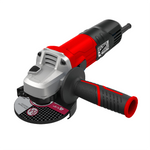
Imagine this scenario: A worker in a busy metal fabrication shop quickly mounts a cutting wheel on an angle grinder, eager to tackle the day's first job. What they don't realize is that the wheel's maximum RPM rating is significantly lower than their grinder's operating speed. The moment they pull the trigger and begin cutting, the wheel can't handle the excessive rotational force—it shatters violently, sending razor-sharp fragments flying through the workspace and putting everyone at risk.
This real-world example illustrates a critical safety principle: understanding RPM ratings isn't just technical knowledge—it's essential protection for you and your coworkers. The RPM rating tells you the maximum safe operating speed for any abrasive wheel, and exceeding this limit can transform a routine cutting task into a dangerous situation involving serious injuries, equipment damage, and costly downtime.
In this comprehensive guide, you'll master the fundamentals of abrasive tool RPM ratings. You'll learn how to properly match your power tool's speed to your wheel's capabilities, decode manufacturer labels with confidence, and implement safety protocols that prevent catastrophic failures. Most importantly, you'll discover how respecting these ratings not only keeps you safe but also maximizes cutting performance and extends your tool investment.
What are RPM Ratings? Importance of RPM Ratings in Abrasive Tools
RPM (Revolutions Per Minute) measures how many complete rotations an abrasive wheel makes in one minute—it's simply a unit of rotational speed. However, understanding RPM alone isn't enough for safe operation.
Here's the critical connection: While RPM tells you how fast the wheel spins, what really matters for safety is surface speed—how fast the outer edge of the wheel moves through the material you're cutting. Surface speed is measured in surface feet per minute (SFM), and it's calculated using both the wheel's diameter and its RPM.
This distinction is crucial because two wheels spinning at the same RPM can have drastically different surface speeds if they're different sizes. A larger wheel will have a much higher surface speed than a smaller wheel at the same RPM, which directly affects both cutting performance and safety limits.
Difference Between RPM (Revolutions Per Minute) and FPM (Surface Speed)
| RPM (Revolutions Per Minute) | Surface Speed (FPM) |
| Measures how many full turns the wheel makes in one minute. | The speed at which the outer edge of the wheel moves across the surface of the workpiece, measured in surface feet per minute (FPM). |
| Higher RPM means a faster outer edge movement, potentially increasing cutting performance. | Faster surface speed leads to more aggressive cuts but also increases safety risks if not controlled. |
| It's important to match the appropriate RPM with the wheel's rated maximum to prevent accidents. | Larger wheels spinning at the same RPM have higher surface speeds, which can cause wheel failure if not rated correctly. |
Importance of RPM in Cutting Discs
Understanding maximum RPM ratings helps operators recognize why following safety standards is critical for safe wheel operation. It ensures the wheel operates within its safe operational limits, preventing accidents caused by excessive speed. The maximum RPM on abrasive wheels is the highest safe rotational speed specified by the manufacturer. It typically ranges from 5,000 to 13,300 RPM, depending on the wheel size and type.
Always check the label on your abrasive wheel for its maximum RPM rating and make sure your power tool is set to operate at or below this limit. Running a wheel below the appropriate RPM can cause poor performance, uneven cuts, and premature wear, reducing the lifespan of both the wheel and the tool.
On the other hand, exceeding the rated RPM can lead to catastrophic failure, with the wheel shattering and causing serious injuries and damage. Using the correct RPM for your wheel ensures optimal cutting performance, extends its lifespan, and maintains compliance with safety standards.
How RPM Affects Performance?
The revolutions per minute (RPM) of an abrasive wheel directly influence its cutting efficiency, heat generation, and overall lifespan. Operating at high speed can boost cutting efficiency and precision grinding in heavy-duty applications. When operated at the right RPM, abrasive grains such as aluminum oxide, silicon carbide, zirconia alumina, and ceramic alumina respond quickly and effectively, removing material with minimal effort.
However, when the RPM exceeds the wheel’s rated limit, heat generation increases dramatically. This excess heat causes premature wear of the abrasive grains, leading to faster wheel degradation, especially in demanding tasks.
The Risks of Low RPM and Insufficient Speed
Conversely, an operating speed that is too slow results in reduced cut rate and a poor surface finish. The abrasive grains, such as zirconia alumina or ceramic alumina, are less responsive at lower speeds, making removal less efficient and increasing the likelihood of glazing—where the grains become clogged with material, further decreasing performance.
Material Considerations and Material Compatibility
Material type plays a crucial role in how RPM impacts performance. For metal, especially tougher materials like steel, higher speeds are generally effective for maintaining cutting efficiency without overheating. For softer or delicate materials, such as aluminum or other softer metals, lower speeds help prevent heat buildup that could cause early failure of the abrasive grains.
Balancing efficiency, longevity, and operator control requires selecting the correct operating speed for the specific task. Using higher speeds can speed up your work but may also cause premature wear on the wheel and increase safety risks.
Related Article: Guide to Abrasive Wheel Types and Their Applications
Common Abrasive Tools and Their Ideal RPM Ranges
Choosing the correct RPM for each abrasive tool is crucial for ensuring safety, efficiency, and high-quality results. Each tool type is designed to operate within specific RPM ranges, and exceeding these limits can lead to safety hazards and tool failure.
1. Cutting Wheels and Chop Saw Wheels
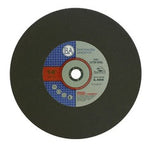
Cutting wheels, like chop saw wheels, are engineered with precise specifications for maximum RPMs. These wheels are usually made of a thin abrasive material that must operate within specific speed limits to prevent disintegration. Their abrasive tool RPM safety rating indicates the maximum safe speed to avoid accidents.
Risks of over-speeding:
Running a cutting wheel or chop saw wheel above its max RPM can cause the wheel to shatter or disintegrate, resulting in accidents at the workshops. Strictly follow the RPM labels, including ratings such as “Maximum RPM 13,300”. Most cutting wheels will have a label stating the “Maximum RPM”, such as 13,300 RPM for a typical 4.5-inch wheel. This label must be checked before use, and the speed setting on the tool must not exceed this value. Always store and handle these wheels carefully to prevent damage.
2. Flap Discs and Flap Wheels
Flap discs and flap wheels are used for finish grinding and blending on metals like stainless steel and ferrous materials. These tools require a consistent RPM to produce smooth, even surfaces without uneven wear. Fluctuating speeds can result in uneven wear or burn marks on the material.
It’s important to select the correct grit size and matching RPM for the workpiece's material. Choosing the right wheel depends heavily on the grit size and material. For soft metals, lower RPMs may be sufficient, while harder steels or metal-fabrication applications require higher RPMs to improve cutting efficiency.
Related Article: Flap Discs: Resolving Common Abrasive Tool Issues
3. Sanding Discs and Sanding Belts
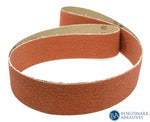
Sanding discs and abrasive belts must be operated at appropriate RPMs aligned with the specific application. For delicate coatings or finishes, lower RPMs help avoid heat damage that can burn or distort the surface.
Avoid heat damage:
Keeping within the safety standards prevents heat buildup when working on materials with coatings or paints, ensuring a clean, damage-free finish.
4. Wire Brushes and Diamond Blades
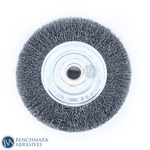
Wire brushes can shed wires at higher RPMs, creating safety hazards for operators. Proper RPM control is critical to prevent wire shedding and potential eye injuries.
These blades thrive at higher speeds and can deliver superior cutting performance. However, they must stay within their abrasive tool RPM safety rating to avoid failure or damage. Diamond blades are used in metal fabrication and cutting applications on various materials like concrete and stone, where higher RPMs are necessary for optimal operation.
Safety First: Following RPM Limits and Protective Guidelines
When it comes to abrasive tool safety, there's no room for shortcuts or assumptions. Every safety protocol exists because someone, somewhere, learned a painful lesson that you can avoid by following these essential guidelines:
- Exceeding the safety standards may lead to safety hazards. This raises the risk of injury from the wheel. When a wheel bursts, fragments can fly at high velocity, causing severe cuts, eye injuries, or other injuries.
- PPE requirements are essential in preventing injuries during the operation. Remember to wear safety glasses and a face shield to protect your eyes and face from debris.
- Inspect labels thoroughly before mounting any wheel or disc. Both the hub and blotter labels provide critical information, including max RPM ratings, size, and suitable type of material.
- Following OSHA and ANSI safety standards is essential for safe working conditions. Proper training and awareness of safety precautions are crucial.
- Abrasive wheels must never exceed their rated speed, even if the tool is capable. Over-speeding risks wheel failure and shattering, which can cause serious injuries. Violating safety standards puts operators at unnecessary risk.
Matching the Right Abrasive Tool to Your Application
Here are essential tips for matching the right abrasive tool to your specific application:
- Choosing the correct abrasive tool is essential for achieving effective cutting performance and wheel durability. Always confirm that the tool’s RPM is less than the wheel's max RPM to prevent accidents caused by excessive RPMs.
- Check both labels on the tool and the wheel before mounting to ensure compatibility. The labels will specify part numbers, correct RPM, and size. Matching the correct RPM to the specific type of material and task ensures high-performance results.
- The choice of abrasive for heavy-duty cutting applications and cutting wheels or finishing with flap discs directly impacts cutting efficiency and operator fatigue.
- Using high-performance wheels with correct RPM allows for better cutting performance and reduces wear and tear on your equipment.
Related Article: Abrasive Material Types & Industrial Applications of Abrasives
Common Mistakes and How to Avoid Them
- Using a wheel with a lower RPM rating than the tool is a common mistake. This can cause the wheel to crack or burst under the stress of excessive RPMs, leading to serious safety risks.
- Always check the label to ensure the wheel’s max RPM matches or exceeds your speed setting.
- Applying excessive pressure or working at the wrong angle also causes problems. Too much force can cause excessive wear on the wheels. This makes them less efficient and increases the risk of wheel failure.
- Always maintain the right angle, especially with angle grinders, and use steady, controlled pressure for smooth cuts.
- Not replacing damaged wheels? Cracks, chips, or excessive wear significantly weaken the wheel's integrity, increasing the risk of bursting during use. Regularly inspect your wheels for defects and replace them immediately if damaged.
Maximize Efficiency: Pro Tips for Using Abrasive Tools
To maximize safety and performance, stay updated on new products that offer improved safety ratings and better cutting efficiency. Many manufacturers regularly release abrasive products with enhanced safety features, so regularly review blog posts and product updates to choose the best practices for your shop.
Seasonal tool checks are also essential. Before winter approaches, inspect all your abrasive tools, cutting wheels, grinding discs, and others to ensure they are in good condition. Thoroughly inspect all tools to ensure they're free from cracks, chips, or excessive wear. This proactive approach helps prevent accidents and maintains safe operation throughout the tool's lifespan.
Utilize online resources, such as manufacturer websites, safety guidelines, and how-to videos, to stay updated. Many suppliers offer free shipping and updates when safety-compliant wheels are in stock. Signing up with your email address ensures you receive the latest news on abrasive products and new products suitable for your fabrication shop going into winter.
Cutting Smart, Staying Safe: Your RPM Mastery Checklist
Prioritizing safety first is essential when working with abrasive tools. Correctly matching the wheel to your tool ensures safe operation and optimized cutting performance. Understanding RPM ratings on abrasive tools and following best practices can prevent accidents and extend the tool's lifespan.
Using the right abrasive for each cutting wheel and application not only enhances cutting efficiency but also guarantees safety during operation. Remember, matching the right abrasive with your tool is the key to achieving professional results while maintaining a safe workspace.
For more information related to abrasive products for your applications, explore the Benchmark Abrasives product catalog.
Join Our Newsletter
Sign up to get the latest on sales, new releases and more …Join Our Newsletter
Sign up to get the latest on sales, new releases and more …Shop Categories
Recent Articles
- Bonded Abrasives Accessories Guide for Grinding Tools
- The Most Common Angle Grinder Mistakes That Ruin Abrasives
- When to Replace a Diamond Blade | Warning Signs Guide
- Ceramic vs Zirconia vs Aluminum Oxide Grinding
- Carbide Burrs: The Complete Guide to Types, Uses, and Selection
- General Purpose Diamond Blades
- Buffing Wheel Guide: How to Polish, Finish, and Perfect Any Surface
- Hole Saws: Complete Guide to Types, Uses, and Choosing the Right Kit
- Introduction to Drum Sanders and Linear Finishing for Metalworkers
- How to Polish Aluminum to a Mirror Finish
Featured Products
-
 746 Reviews
4-1/2" x 7/8" T29 Zirconia High Density Flap Disc - 10 pack
$25.19
-
 738 Reviews
4-1/2" x .040" x 7/8" t1 premium thin cut-off wheel - 25 pack
$20.88
-
 220 Reviews
4-1/2" x 7/8" T27 Zirconia High Density Flap Disc - 10 pack
$25.19
-
 380 Reviews
6" x .045 x 7/8" T1 Premium Thin Cut-Off Wheel - 25 pack
$27.29
-
 55 Reviews
Nonwoven 6" X 9" Scuff, Clean & Finish Hand Pads
$0.83
-
 123 Reviews
4-1/2" x 1/4" x 7/8" T27 Depressed Center Grinding Wheel - 25 pack
$28.34


Blog Categories
- Abrasives
- Sanding
- Grinding Deburring Finishing
- Safety and Cleanliness
- Metal Working
- Selecting Tools And Equipment
- Wood Working
- Art And Design
- Diy Projects
- Industry 4.0
- Buffing
- Cutting Tools
- Carbide Burrs
- PPE
- Wire Brushes
- Bonded Abrasives
- TIG Electrodes
- Wire Wheels
- Bits
- Diamond Blades
- Power Brushes
- Product Reviews
- Grinding
- Finishing
- Industrial Cleaners