



























Abrasives in Automotive Restoration: Tools, Stages, and Techniques

The journey of bringing a classic car back to life is immensely rewarding, but the quality of the final paintwork and structural integrity is determined long before the clear coat is sprayed. This guide will help you understand the foundational role of abrasives in automotive restoration and ensure you select the right tools for every step of the process.
Why Abrasives Matter in Automotive Restoration?
The foundation of high-quality restoration results is proper surface preparation, and that's where Automotive Abrasives come in. The automotive industry relies on these tools because the choice of abrasive type and grit size directly impacts the final appearance, structural longevity, and paint adhesion.
Risks of incorrect abrasive selection include thinning body panels, warping from heat generation, creating uneven surfaces, or simply delivering inconsistent results. By matching the correct abrasive to the specific applications and materials, you ensure optimal surface quality and superior overall quality.
Related Article: Best Sandpaper for Metal: Guide to Grits
The 6 Stages of Automotive Restoration Using Abrasives
Let’s break down each critical phase of an automotive restoration project and the best abrasive tools and techniques for each.
Stage 1 – Stripping Paint and Heavy Rust
The first stage of any restoration is the most aggressive: getting down to bare metal.
Choosing the Right Tool (Grinder, Sander, or Specialty Stripping Tool)
Tool selection depends on severity.
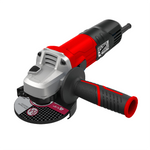
For extremely heavy rust on thick frame rails or cast iron components, an angle grinder is necessary.
For broad areas of factory or old paint, a dual-action (DA) sander equipped with Sanding Discs for auto body is typically used.
For delicate body panels or detailed work where you must avoid heat generation and warping, specialty strip-it wheels are the safer choice.
Best Abrasives for Paint Removal
When sanding a car body for paint, professionals often turn to heavy-duty abrasive solutions. Coarse flap discs (around 40-60 grit) or thick fiber discs are effective for initial stripping. Media like Aluminum oxide is general-purpose, but tougher abrasives like silicon carbide are excellent for aggressive removal on metals.
Avoid using aggressive cut-off wheels or thick grinding wheels on thin sheet metal, as they can quickly cause irreparable surface damage.
Safety: Dust, Lead Paint, and Respiratory Protection
Safety standards dictate rigorous precautions during this stage. Old paint—especially pre-1978 coatings—may contain lead. Always assume old automotive paint contains hazardous materials.
Utilize high-efficiency dust extraction systems and wear appropriate respiratory protection (e.g., an N95 or better) and other PPE, such as goggles and gloves, essential for any auto repair or body shop.
Stage 2 – Rust Removal and Metal Cleanup
Once the heavy rust and paint are gone, the focus shifts to detailed rust removal and smoothing the bare metal.
Grinding vs Flap Discs vs Wire Wheels
- Grinding Wheels remove the thickest deposits on cast iron or frames.
- Flap Discs (80-120 grit) are used for smoothing and blending areas where thick rust was removed, avoiding the gouging common with solid grinding wheels.
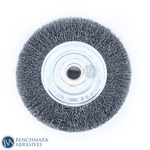
- Wire Wheels (typically steel wire) are excellent for cleaning light corrosion, scale, and surface imperfections without significant material removal. They are perfect for achieving consistent results on intricate materials and structural automotive applications.
Dealing with Pitted Metal and Scale
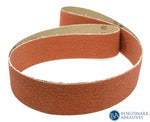
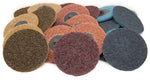
Pitted metal requires a finer approach. Surface conditioning pads or nonwoven abrasive discs can refine the surface without aggressive cutting.
For tight areas, an air file or a small belt sander with abrasive belts can be used. This stage prepares the metal to accept body filler or to ensure clean metal for a new weld.
Stage 3 – Weld Prep and Weld Cleanup
Welding is only as strong as the surface it’s applied to.
Pre-Weld Surface Prep
Before running a bead, it’s critical to strip away all mill scale, coatings, and contaminants (like rust inhibitors or oil) from the area. This ensures a solid, contamination-free bond. Using clean abrasive wheels or fiber discs on the joint is mandatory.
Grinding and Blending Welds
The process of grinding and blending welds on cars starts with a grinding wheel for initial knockdown, especially on structural automotive parts. Follow this with flap discs to bring the weld seams flush with the surrounding metal.
Finally, use blending discs or finer abrasive solutions for smooth transitions, avoiding abrupt lines.
Avoiding Warping and Over-Thinning Panels
Precision and pressure control are paramount. Welding and subsequent grinding generate intense heat. Use only light pressure and switch between areas frequently to allow the body panels to cool, preventing warping and surface damage. Always use the finest grit necessary to achieve the desired effect.
Stage 4 – Filler Shaping and Bodywork
Body filler is essential for correcting deep surface imperfections, and proper sanding is the only way to achieve panel consistency.
Grit Progression for Body Filler
After the filler cures, the sanding discs for auto body start working. The progression is key to a flat panel:
- Shaping: 36 or 40 grit size for quick material removal and contouring.
- Smoothing: 80 grit to remove the coarse scratches.
- Refining: 120–180 grit for the final surface smoothing before primer application.
Sanding Blocks vs Power Sanding vs DA Sanders
Hand blocks are essential for maintaining the intended shape and flatness of large body panels. DA Sanders offers enhanced speed on large sections. Systems that use Hook-and-Loop abrasive discs allow for rapid, efficient changes, which are vital in a busy body shop. The objective is always to achieve flat, uniform surface finishes.
Common Mistakes That Require Rework
Failure to properly feather the edges of the filled area into the bare metal, ignoring scratch patterns from previous grits, or over-sanding edges (leaving them thin or "rolled") are common mistakes that result in uneven surfaces and require immediate rework.
Stage 5 – Primer and Pre-Paint Sanding
The paint stage requires the highest level of surface preparation and precision.
Scuffing Primer and Sealers
Primer is sanded with much finer grits (320-600+) to create a uniform foundation for the basecoat. Foam-backed abrasives and interface pads are used with abrasive discs to cushion the contact, preventing "burn-through" on contours and edges.
Nonwoven Pads for Scuffing and Blending
Nonwoven pads are excellent abrasive products for scuffing hard-to-reach automotive applications, such as door jambs, edges, and contours. They create a consistent, fine scratch pattern suitable for paint adhesion and are used for blending new areas into adjacent original panels.
Getting a Uniform Scratch Pattern for Paint
The final scratch pattern dictates the appearance of the clear coat. Industry professionals focus on consistency, using the same grit size across the entire vehicle to avoid texture differences that appear under final glossy surface finishes. Avoiding cross-scratching is essential before applying the basecoat and clear coat.
Stage 6 – Polishing and Detailing Metal Parts
The final stage brings the metal and trim to a brilliant finish.
Buffing Wheels and Compounds for Chrome and Bare Metal
For automotive parts like chrome bumpers or stainless trim, a progression of buffing wheels and compounds is used, moving from coarse-cut compounds to fine polish to achieve a mirror-like surface finishing.
Finishing Stainless and Aluminum Trim
Softer materials like aluminum and stainless trim benefit from finer Silicon Carbide abrasives or ultra-fine nonwoven pads. Always use light, controlled pressure to prevent surface damage and heat generation that can cause discoloration or burn-through on edges.
Choosing Abrasives by Material and Area of the Vehicle
Matching the abrasive to the task is key in automotive repair. This brief mapping guides your selection across the vehicle:
| Vehicle Area/Task | Best Abrasives for Car Bodywork | Notes |
| Body Panels (Stripping/Smoothing) | Flap Discs, Sanding Discs for auto body, Nonwoven Pads | Use lighter pressure and finer abrasive solutions. |
| Frames/Structural (Heavy Rust) | Grinding Wheels, Coarse Fiber Discs | Use aggressive Automotive Abrasives on thick sections. |
| Trim & Aluminum (Finishing) | Silicon Carbide, Fine Nonwoven Pads | Precision required; avoid heat on these sensitive materials. |
| Cast Iron (Engine Components) | Aggressive Grinding Wheels | Tough abrasive discs for material removal on engine parts. |
The continuous use of abrasives highlights their essential role throughout the automotive sector and automotive manufacturing processes, proving that quality surface preparation is the key to lasting results.
Why the Right Abrasive Makes All the Difference
Selecting the correct abrasive solutions at each stage ensures consistent results, enhances safety, and ultimately delivers the high-quality finish expected in any restoration or body shop environment. By following these automotive repair and surface preparation guidelines, you protect your automotive parts and achieve a perfect final finish.
Join Our Newsletter
Sign up to get the latest on sales, new releases and more …Join Our Newsletter
Sign up to get the latest on sales, new releases and more …Shop Categories
Recent Articles
- Bonded Abrasives Accessories Guide for Grinding Tools
- The Most Common Angle Grinder Mistakes That Ruin Abrasives
- When to Replace a Diamond Blade | Warning Signs Guide
- Ceramic vs Zirconia vs Aluminum Oxide Grinding
- Carbide Burrs: The Complete Guide to Types, Uses, and Selection
- General Purpose Diamond Blades
- Buffing Wheel Guide: How to Polish, Finish, and Perfect Any Surface
- Hole Saws: Complete Guide to Types, Uses, and Choosing the Right Kit
- Introduction to Drum Sanders and Linear Finishing for Metalworkers
- How to Polish Aluminum to a Mirror Finish
Featured Products
-
 746 Reviews
4-1/2" x 7/8" T29 Zirconia High Density Flap Disc - 10 pack
$25.19
-
 738 Reviews
4-1/2" x .040" x 7/8" t1 premium thin cut-off wheel - 25 pack
$20.88
-
 220 Reviews
4-1/2" x 7/8" T27 Zirconia High Density Flap Disc - 10 pack
$25.19
-
 380 Reviews
6" x .045 x 7/8" T1 Premium Thin Cut-Off Wheel - 25 pack
$27.29
-
 55 Reviews
Nonwoven 6" X 9" Scuff, Clean & Finish Hand Pads
$0.83
-
 123 Reviews
4-1/2" x 1/4" x 7/8" T27 Depressed Center Grinding Wheel - 25 pack
$28.34


Blog Categories
- Abrasives
- Sanding
- Grinding Deburring Finishing
- Safety and Cleanliness
- Metal Working
- Selecting Tools And Equipment
- Wood Working
- Art And Design
- Diy Projects
- Industry 4.0
- Buffing
- Cutting Tools
- Carbide Burrs
- PPE
- Wire Brushes
- Bonded Abrasives
- TIG Electrodes
- Wire Wheels
- Bits
- Diamond Blades
- Power Brushes
- Product Reviews
- Grinding
- Finishing
- Industrial Cleaners