




























What are Carbide Burrs and What are Their Applications

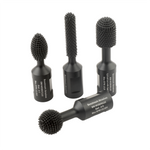
Carbide burrs, often referred to as rotary burrs, are precision tools used for cutting, shaping, and grinding. They are primarily designed for deburring, which is the process of removing the sharp edges or excess material (known as burrs) left behind after a machining or casting process. Interestingly, the tool shares its name with the very defect it is designed to eliminate.
While they are commonly used on coated abrasives before the final polishing stages, carbide burrs are standalone tools capable of heavy material removal. They are essential in industries ranging from aerospace engineering and shipbuilding to jewelry making and sculpture.
Understanding Carbide Burr Composition and Durability
The high performance of these tools comes from their material composition. Most high-quality rotary burrs are made from tungsten carbide. Tungsten carbide is roughly twice as stiff as steel and significantly denser. This allows the burr to maintain a sharp cutting edge even when subjected to high temperatures and the extreme centrifugal forces generated by high-speed rotary tools.
A carbide burr consists of two parts: the tungsten carbide head (the cutting portion) and the steel shank. These are typically joined by brazing. Because the head is so much harder than the material it cuts, it can outlast high-speed steel (HSS) tools by a factor of 10 to 1, making it a cost-effective choice for long production runs.
Single Cut vs Double Cut Geometry
The flute pattern, or cut, determines how the tool interacts with the material and the type of finish it produces.
Single Cut
Single cut burrs have a right-handed spiral flute (up cut). These are designed for heavy material removal and milling. They are the best choice for ferrous metals like stainless steel, hardened steel, and cast iron. Because they have a single path for chip evacuation, they produce long, spiral chips.
- Rapid removal of stock
- Milling and heavy deburring
- Best for stainless and hardened steels
Double Cut
Double-cut carbide burrs, also known as diamond cut or cross-cut, feature two sets of flutes cut across each other. This geometry produces much smaller chips, often resembling metal dust or fine needles. This makes the tool much easier to control, as it is less likely to "grab" or "climb" the material.
- Elimination of medium-light material.
- Excellent cleaning and finishing.
- Best for aluminum, soft steels, and non-metals like plastics or wood
Managing RPM and Tool Pressure
A common mistake in the application of carbide burrs is using the wrong speed or applying too much pressure. To achieve the best results, you must match the Revolutions Per Minute (RPM) to the diameter of the burr head.
As a general rule, the larger the burr head, the slower the required RPM. If the speed is too slow, the burr will chip and "jump" across the surface. If the speed is too high, the friction will generate excessive heat, causing the brazed joint between the head and shank to fail.
Furthermore, you should use a light touch. Let the speed of the tool do the work. Excessive pressure does not expedite the removal of material; instead, it clogs the flutes and dulls the cutting edges. For best results, keep the burr moving in a steady, fluid motion to prevent the tool from digging into one spot and making the surface uneven.
Choosing the Right Carbide Burr Shape
Selecting the correct shape is just as important as choosing the cut. Each geometry is designed for a specific task:
- Cylindrical: Ideal for flat surface grinding and contouring.
- Ball Shape: Used for hollowing out areas or making concave cuts in the workpiece.
- Tree Shape: Perfect for reaching into tight, pointed areas or rounded edges.
- Flame Shape: Often used in artistic sculpting and for smoothing out rounder contours.
Primary Applications of Carbide Burrs
The main uses of carbide burs are:
1. Engine Porting and Performance
Carbide burrs are used for porting in the automotive industry. This involves modifying the intake and exhaust ports of an internal combustion engine to improve the quality and quantity of gas flow. By meticulously smoothing the internal surfaces of the engine head, technicians can reduce air resistance, leading to higher power output and better fuel efficiency.
2. Art and Sculpture
Sculptors use carbide burrs for stone grinding and wood carving. Because these tools provide a vibration-free cutting action, they allow for the discrete, detailed attention required for high-end artworks. They are particularly effective for shaping hard stones that would quickly dull traditional steel chisels.
3. Hard Material Processing
Carbide burrs are designed to process a wide range of materials. This includes all types of stone, hardwood, and metals such as aluminum, brass, bronze, and titanium. Their ability to handle high-tensile materials makes them a staple in welding shops for smoothing out welds and preparing plates for joining.
Related Article: Carbide Burrs for Stainless, Aluminum, and Mild Steel
Important Advantages of Carbide Burr Utilization

- Remarkable durability in high-production settings.
- High stock removal rates on extremely hard materials.
- Versatility across a variety of shapes and sizes.
- The capability to produce fine finishes and detailed carvings.
- Resistance to high heat ensures the tool remains sharp during prolonged use.
Conclusion
The abrasive and cutting industry continues to grow as manufacturers develop more rigid materials and advanced coatings. Carbide burrs remain a primary economic indicator of manufacturing productivity. As tool geometry and materials like tungsten carbide improve, the frequency of replacement decreases, allowing shops to maintain high efficiency even when working with the most demanding alloys.
Join Our Newsletter
Sign up to get the latest on sales, new releases and more …Join Our Newsletter
Sign up to get the latest on sales, new releases and more …Shop Categories
Recent Articles
- Linear vs Circular Scratch Patterns: How to Control Your Finish Like a Pro
- Guide To Cross Pad Abrasive Sheets
- Understanding the Difference: T27 vs T29 Flap Discs
- Unveiling The Secrets Of Grinding Wheels: Types And Applications
- The Art Of Deburring: Techniques and Tools For Smooth Edges
- Exploring The Art Of Precision Grinding In Metalworking
- What Is The Strongest Abrasive Material?
- Bonded Abrasives Vs Coated Abrasives
- What is Electrochemical Deburring
- Are Ceramic Abrasive Products Superior?
Featured Products
-
 746 Reviews
4-1/2" x 7/8" T29 Zirconia High Density Flap Disc - 10 pack
$25.19
-
 738 Reviews
4-1/2" x .040" x 7/8" t1 premium thin cut-off wheel - 25 pack
$20.88
-
 220 Reviews
4-1/2" x 7/8" T27 Zirconia High Density Flap Disc - 10 pack
$25.19
-
 380 Reviews
6" x .045 x 7/8" T1 Premium Thin Cut-Off Wheel - 25 pack
$27.29
-
 55 Reviews
Nonwoven 6" X 9" Scuff, Clean & Finish Hand Pads
$0.83
-
 123 Reviews
4-1/2" x 1/4" x 7/8" T27 Depressed Center Grinding Wheel - 25 pack
$28.34


Blog Categories
- Abrasives
- Sanding
- Grinding Deburring Finishing
- Safety and Cleanliness
- Metal Working
- Selecting Tools And Equipment
- Wood Working
- Art And Design
- Diy Projects
- Industry 4.0
- Buffing
- Cutting Tools
- Carbide Burrs
- PPE
- Wire Brushes
- Bonded Abrasives
- TIG Electrodes
- Wire Wheels
- Bits
- Diamond Blades
- Power Brushes
- Product Reviews
- Grinding
- Finishing
- Industrial Cleaners