



























Best Cut Off Wheel for Steel: Complete 2026 Buying Guide

Do you want to cut steel safely and efficiently while still getting good results? Some wheels wear out quickly or don’t provide a smooth cut. Because of this, it is essential to pick the best cut-off wheel for steel. When you have the best one for your task, you get better cutting, and you also get a more professional look in your work. If you need to cut steel beams, pipes, or perform any kind of metalwork that requires precision, you should use a high-quality wheel with your power tool. This enables your tool to function effectively and yields better results.
Let’s talk about how you can pick the best cut-off wheel when you need to cut steel, and what features you should look for. We will see how making the right choice can help you do your job faster and better.
Understanding Cut-Off Wheels: Types and Materials
Cut-off wheels, sometimes called abrasive or parting wheels, are special tools made to cut through things like iron or steel. How well these cutting discs work depends on what they are made of and how they are built. For cutting steel, your best pick is usually aluminum oxide grain. It is strong and reasonably priced. If you are looking to cut cast iron and things that are not pure iron, silicon carbide is sharp and does a good job. If you need something top-level for hard tasks, ceramic abrasive is an excellent choice. It cuts fast and lasts a long time.
The way abrasive wheels are built is significant. A strong bonding agent is needed, as it holds the abrasive grains together. This also affects the wheel's safety and strength. The way the abrasive parts are spread out and how thick the wheel is will also change how well it works. Thinner wheels or cutoff discs help when you want faster and more exact cuts with less waste. Thicker wheels last longer and are better for harder work.
Abrasive Materials for Cutting Wheels: Comparison
Comparison of different wheel types with different abrasive materials:
| Abrasive Materials | Aluminum Oxide | Silicon Carbide | Ceramic |
| Advantages | Cost-effective, durable, and suitable for general use | Extremely sharp, brittle, ideal for fast cuts | Long lifespan, high performance, excellent heat resistance |
| Applications | Cutting soft metals, steel, cast iron, and plastics | Precision cutting of non-ferrous metals, plastics, and ceramics | Heavy-duty grinding, cutting dense metals, and high-volume industrial use |
| Properties | Rugged, tough, moderate heat resistance, versatile | Very sharp, high brittleness, less heat resistant than others | Very tough, retains sharpness, excellent heat dissipation |
Steel Types and Matching Wheel Selection
Choosing the right cutting wheel is crucial for optimal results when working with different types of steel.
Cutting Mild Steel
Mild steel is common and super easy to cut. For this, you'll want a general-purpose cutting disc. These discs usually have a standard abrasive material and a moderate thickness. It’s essential to find one that offers a good balance of durability and precision — that way, it can handle soft metals and your everyday cutting tasks really well.
Stainless steel's toughness and heat resistance make it challenging to cut. For the best results, use stainless steel cut-off wheels featuring high-performance abrasives. These wheels are designed for superior heat management, which extends disc life and ensures cleaner cuts.
Cutting Cast Iron and Carbon Steel
Cast iron and carbon steel are harder metals that require specialized abrasive cut-off wheels. The cutting process generates more heat while cutting harder metals. For these materials, select abrasive wheels with thicker profiles or high-performance abrasives such as ceramic abrasive cutting discs.
Top Cut-Off Wheel Recommendations by Application
Choosing the right wheel for the job is essential for both safety and efficiency. Here are some specific product recommendations and a detailed analysis of performance characteristics to help you get the best performance from your equipment.
Best Overall Performance Wheels
Ultra-thin wheels and standard thickness wheels are the best cut-off wheels for general use, ensuring balanced, precise cuts and longevity.
Ultra-thin cut-off wheels are best for precision work, providing clean cuts and faster speeds for delicate tasks, but they are less durable for heavy-duty uses. Standard-thickness wheels are more versatile and powerful, making them suitable for general applications and thicker materials, though they may cut a bit slower.
For speed or durability, choose between ultra-thin or standard-thickness cut-off wheels.
Specialized Applications
When choosing a cut-off wheel, the specific application determines the type required for best results. Ultra-thin wheels are ideal for cutting sheet metal, ensuring clean cuts with minimal distortion. In contrast, durable, high-performance wheels are necessary for harder materials like angle iron and structural steel. Hobbyists often use standard wheels for DIY projects, whereas professionals typically opt for specialized wheels to enhance efficiency and quality in their work.
For High-Quality Cutting Wheels, Choose Benchmark Abrasives
Benchmark Abrasives is a reputable brand that specializes in providing a variety of cut-off wheels for materials, such as cutting aluminum, ferrous metals, non-ferrous metals, and stainless steel.
Their product line features options like the T1 Thin Cut-off Wheel and T1 High Performance 4X Ceramic Metal Cutting Wheels, designed for optimal performance and long life. With contaminant-free designs and advanced materials, these wheels enhance cutting speed and durability.
Benchmark Abrasives provides professionals and DIYers with specialized tools that improve cut quality, ultimately saving time and money by reducing the need for frequent wheel replacements.
Compatibility With Power Tools and Setup
For any abrasive project, it's essential to make sure the cutting wheel or disc is compatible with your power grinder. Not all grinder wheels are compatible with every grinder, so it is necessary to choose the right tool and set it up correctly for the best results. Different types of grinders are suitable for specific applications.
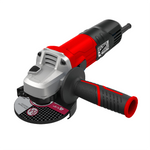
The chop saw and angle grinder, available in various disc sizes, are versatile tools typically used with a cut-off wheel to cut, grind, and polish metal quickly. The bench grinder provides a stable platform, making it ideal for sharpening tools and shaping materials, provided you use the appropriate grinding disc size. For more detailed or delicate work, the die grinder is a small, fast-moving tool that's perfect for precision applications with smaller wheels.
Whatever the tool, safety should always be a top priority. When installing the cutting wheel, make sure it's centered on the spindle and secured with the correct fittings. Inspect your equipment regularly for wear or damage, and always wear appropriate personal protective equipment (PPE), including gloves, an N95 half mask respirator, eye protection, and a face guard.
Performance Factors and Optimization
Understanding key performance indicators and maximizing their effectiveness helps in achieving optimal results with your cutoff disk. Evaluating a wheel's cutting ability is key for effective material removal, focusing on sharpness and efficiency in achieving smooth cuts. The operating speed influences performance, with faster wheels delivering higher cutting rates for quick material removal. An optimal material removal rate enhances productivity by minimizing work time.
You need to regularly inspect your depressed center wheels for wear signs, such as reduced cutting speed or increased vibration during cutting contact. Shock resistance affects wear rate; monitor it to ensure safety and performance. Cost-per-cut is a key metric for determining a cutting wheel's value.
Alternative Cutting Solutions
Metal cutting requires precision tools to provide clean and accurate cuts without damaging the material. Cut-off wheels are the most commonly used option for cutting metals efficiently. Other effective options include flap discs for finishing, diamond blades for cutting harder materials, and fiber discs for surface preparation.
For instance, flap discs are perfect for grinding, shaping, and smoothing metal surfaces after cutting, blending, and finishing edges immediately to streamline your workflow.
When you need to cut harder materials like stone, concrete, or tough alloys, diamond blades provide exceptional durability and precision for jobs a standard abrasive disc can't handle. For other jobs like surface preparation or fine finishing, Fibre discs are the ideal tool, excellent for cleaning up edges and surfaces after a cut to ensure a smooth, polished result.
Maximize Your Steel Cutting Success With the Right Wheel Choice
Picking the best cut-off wheel for cutting steel can really change how your project turns out. It affects the quality, speed, and cost. When you understand how abrasive materials, types of steel, and the job requirements all connect, you can make informed choices. This will help you achieve good, professional results each time.
Remember these key points:
- Aluminum oxide wheels give you the best value when you cut general steel.
- Ultra-thin wheels are good when you need to do very exact work.
- If you have a hard job that needs extra power, you can use the special ceramic wheels.
- Always make sure to wear your safety gear and use the right tool for the job. This helps you get good results and keeps you safe.
No matter if you are a pro at building things or just like to do it yourself, picking good cut-off wheels for your steel jobs can help a lot. The right wheels will save you time and stop you from wasting extra pieces of metal. You will also get clean and neat cuts every time, which is what you need for your projects.
Join Our Newsletter
Sign up to get the latest on sales, new releases and more …Join Our Newsletter
Sign up to get the latest on sales, new releases and more …Shop Categories
Recent Articles
- Best Quick-Change Disc Machines for Welders & Fabricators
- Best Corded Drum Sanders (Burnishers) for Welders & Metal Fabricators
- Dewalt Angle Grinder Alternatives for Cutting and Grinding
- Best Angle Grinders 2026: Benchmark’s Guide to Corded Angle Grinders
- Best Cut Off Wheel for Steel: Complete 2026 Buying Guide
- Top Handheld High Speed Gas and Electric Powered Cut-Off Saws of 2026
- Starting a Metal Fabricating Shop - What to Buy
- Best 8-Inch Crack Cleaning Machines for Pavement Maintenance in 2026
- Best 3/8″ x 13″ Belt Grinders in 2026: For Metalworkers and Fabricators
- The Ultimate Guide to 2x72 Belt Grinders for Knife Makers and Metal Fabricators (2026)
Featured Products
-
 746 Reviews
4-1/2" x 7/8" T29 Zirconia High Density Flap Disc - 10 pack
$25.19
-
 738 Reviews
4-1/2" x .040 x 7/8" T1 Premium Thin Cut-off Wheel - 25 pack
$20.88
-
 220 Reviews
4-1/2" x 7/8" T27 Zirconia High Density Flap Disc - 10 pack
$25.19
-
 380 Reviews
6" x .045 x 7/8" T1 Premium Thin Cut-Off Wheel - 25 pack
$27.29
-
 55 Reviews
Nonwoven 6" x 9" Scuff, Clean & Finish Hand Pads
$0.83
-
 123 Reviews
4-1/2" x 1/4" x 7/8" T27 Depressed Center Grinding Wheel - 25 pack
$28.34


Blog Categories
- Abrasives
- Sanding
- Grinding Deburring Finishing
- Safety and Cleanliness
- Metal Working
- Selecting Tools And Equipment
- Wood Working
- Art And Design
- Diy Projects
- Industry 4.0
- Buffing
- Cutting Tools
- Carbide Burrs
- PPE
- Wire Brushes
- Bonded Abrasives
- TIG Electrodes
- Wire Wheels
- Bits
- Diamond Blades
- Power Brushes
- Product Reviews
- Grinding
- Finishing
- Industrial Cleaners