



























Personal Protective Equipment Kits for Abrasive Work

A personal protective equipment (PPE) kit for abrasive work is a bundled set of gear matched to a specific job, such as grinding, cutting, polishing, or deburring. PPE kits cover the five hazard categories of metal fabrication: eye and face, respiratory, hearing, hand, and foot and body. A complete kit pairs eye protection and a face shield with a respirator, cut-resistant gloves, and hearing protection rated for high-RPM tools. The right kit depends on the tool you're running and the debris, dust, and noise it produces.
Effective personal protective equipment kits are designed to be workflow-specific solutions. Whether you are performing aggressive stock removal with an angle grinder or precision finishing, your gear must protect you from sparks, noise, sharp debris, and hazardous materials.
This guide helps you layer the right protection for your eyes, hearing, lungs, hands, and body to ensure your work environment remains productive and, above all, safe every day.
Matching PPE Kits to Real Abrasive Applications
PPE for Grinding Operations
Grinding is the most demanding application in terms of PPE. You are dealing with high-velocity sparks, the potential for a shattered disc, and constant, high-frequency noise. A proper personal protection kit for grinding must include a strong face shield worn over safety eyewear, heavy-duty work gloves to resist heat and cuts, and industrial-grade ear muffs to prevent long-term hearing loss.
PPE for Cutting and Chop Saw Work
When using grinding wheels or large chop saw wheels, you face a concentrated stream of sparks and flying metal fragments. Here, protective coverall options or disposable coveralls are essential to prevent metal dust and sparks from damaging your clothes or embedding in your skin. A full-brim hard hat or eye shield can also provide added security against debris.
PPE for Polishing and Surface Finishing
Polishing often produces fine, microscopic metal and abrasive dust. While the work might seem "lighter," it carries significant respiratory protection requirements. You need comfortable, lightweight safety eyewear that won't fog, and nitrile gloves that offer dexterity for precision work while protecting skin from chemicals and compounds.
PPE for Deburring and Fabrication Shops
In high-production shops using a die grinder, the primary hazard is vibration and sharp metal burrs. Safety gloves must be cut-resistant, and a safety vest is often recommended if you are moving material through a busy shop floor.
Core Components of a Complete Personal Protection Equipment Kit
Eye and Face Protection Essentials
The difference between safety eyewear and a face shield is critical. Safety glasses are your baseline; they protect against impacts. A face shield, however, is a secondary layer necessary for grinding or cutting, as it stops high-velocity sparks and wheel fragments from striking your face and neck. Always look for ANSI-rated gear.
Hearing Protection for High-RPM Tools
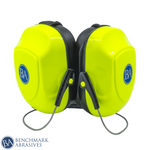
Power tools like angle grinders and cut-off wheels create noise levels that can exceed safe thresholds within minutes. Earplugs provide a discreet, comfortable option for all-day use, while ear muffs provide superior NRR (Noise Reduction Rating) for high-intensity grinding tasks.
Respiratory and Dust Protection
Abrasive work creates airborne particles that are invisible to the naked eye. Relying on shop airflow isn't enough. Use an N95 or P100 respirator to filter out fine metal particles and dust, keeping your workers' safety and long-term health in focus.
Hand and Body Protection
Your gloves are your first line of defense. Choose leather or cut-resistant gloves for grinding and cutting. For finishing, thinner nitrile or vinyl gloves may be appropriate. Always ensure your protective clothing is flame-resistant.
Choosing the Right PPE Kit for Your Shop Workflow
Light-Duty vs Heavy-Duty Abrasive Work
A simple kit may suffice for light polishing, but heavy-duty grinding demands an upgraded equipment kit with higher-rated materials. Don’t cut corners when the risk of flying debris increases.
Single User Kits vs Bulk Facility Purchasing
For fabrication facilities, buying in bulk quantities is not just about getting the lowest price; it is about standardizing protection across your team. A best seller bundle ensures every operator is equally protected, making inventory management easier.
Disposable vs Reusable PPE
Disposable items like shoe covers or disposable coveralls are perfect for jobs involving hazardous dust or paint, as they prevent cross-contamination. Reusable gear—like safety goggles and ear muffs- offers better long-term value for standard tasks.
Safety Compliance and Shop Best Practices
- Inspection: Safety products have a lifespan. Check your face shields for scratches and your gloves for tears before every shift. If your gear looks compromised, replace it immediately.
- Training: PPE is only effective if worn correctly. Conduct recurring training sessions to ensure your team understands the "why" behind your safety protocols.
- Organization: Keep your workplace safety gear stored in accessible, clean areas. If PPE is difficult to reach, it won't be used.
FAQs
1. What should be included in a PPE kit for grinding and cutting?
An ideal kit includes ANSI-rated safety glasses and a face shield, hearing protection (earplugs or muffs), a respirator, heavy-duty cut-resistant gloves, and flame-resistant clothing.
2. Are disposable coveralls necessary?
Yes, in dust-heavy or debris-filled environments, they protect your underlying clothing and keep metallic dust from following you home.
3. Safety glasses vs. face shield?
Safety glasses protect your eyes from impacts; a face shield protects your entire face from flying debris and sparks. Both should be used together for grinding.
4. How often should PPE be replaced?
Check gear daily. If eyewear is scratched, gloves have holes, or respirators are clogged, it's time to replace them.
5. Can one kit work for grinding, polishing, and deburring?
While core items like glasses and plugs are universal, you should tailor gloves and respiratory protection to the specific job hazards.
Build a Safer Shop From the Ground Up
Your PPE should be as professional as your fabrication work. By moving away from generic gear and investing in kits designed for your specific abrasive workflows, you protect your team's health and ensure they can perform at their best. Remember, comfort leads to compliance. The more comfortable and functional your safety equipment is, the more likely your team is to wear it faithfully.
Ready to enhance your safety standards? Explore our professional personal protective equipment products designed for the demands of abrasive work. From high-impact face shields to cut-resistant gloves and respiratory protection, we have everything you need to keep your shop protected on every job.
Join Our Newsletter
Sign up to get the latest on sales, new releases and more …Join Our Newsletter
Sign up to get the latest on sales, new releases and more …Shop Categories
Recent Articles
- Personal Protective Equipment Kits for Abrasive Work
- PPE Checklist for Fabrication Shops
- Respiratory Protection for Grinding and Welding
- Why Abrasive Safety Still Matters for Grinding Wheels
- Caring For Your Abrasives: Maintenance Tips For Extended Lifespan
- Woodworking Safety: Best Practices When Using Abrasives
- How To Remove Glue From Hands
- How To Remove Oil From Hands
- How To Remove Gap Filler or Spray Foam From Hands
- How To Remove Paint From Hands
Featured Products
-
 746 Reviews
4-1/2" x 7/8" T29 Zirconia High Density Flap Disc - 10 pack
$25.19
-
 738 Reviews
4-1/2" x .040" x 7/8" t1 premium thin cut-off wheel - 25 pack
$20.88
-
 220 Reviews
4-1/2" x 7/8" T27 Zirconia High Density Flap Disc - 10 pack
$25.19
-
 380 Reviews
6" x .045 x 7/8" T1 Premium Thin Cut-Off Wheel - 25 pack
$27.29
-
 55 Reviews
Nonwoven 6" X 9" Scuff, Clean & Finish Hand Pads
$0.83
-
 123 Reviews
4-1/2" x 1/4" x 7/8" T27 Depressed Center Grinding Wheel - 25 pack
$28.34


Blog Categories
- Abrasives
- Sanding
- Grinding Deburring Finishing
- Safety and Cleanliness
- Metal Working
- Selecting Tools And Equipment
- Wood Working
- Art And Design
- Diy Projects
- Industry 4.0
- Buffing
- Cutting Tools
- Carbide Burrs
- PPE
- Wire Brushes
- Bonded Abrasives
- TIG Electrodes
- Wire Wheels
- Bits
- Diamond Blades
- Power Brushes
- Product Reviews
- Grinding
- Finishing
- Industrial Cleaners