



























Can You Use A Belt Sander On A Deck

Sanding a deck can seem like a daunting task, but with the right tool—a belt sander—and the proper technique, it can be a manageable project. This guide will help you understand the factors that impact your sanding time and show you how a belt sander can be your best ally for the job.
The Condition Of Your Deck's Coating
Sanding your decking is easier and faster if the current coating is still in good condition. You can sand the surface to reveal wood that looks freshly installed. However, if your deck has a faded, discolored, or peeling coating, it will take longer to remove. Weather-damaged wood often has a grey or black appearance, which also needs to be sanded off. If you don't adequately remove all of this damaged layer, your deck will look dark and patchy, even after you apply a new finish.
Choosing the Right Sander for the Job
Not every sander is created equally. The type of sander you use can significantly impact how long it takes to sand your decking.
A belt sander is one of the best tools for sanding your deck. Its power and speed make it ideal for removing old, stubborn coatings from the main, flat areas of your decking boards. Less expensive tools can get the job done, but trade-quality tools often perform better and faster. While you can also rent larger stand-up sanders, these tools can struggle with uneven or slightly cupped decking boards. A handheld belt sander is much more efficient because its flexibility allows you to apply pressure and follow the contours of the wood. For the edges and corners where a belt sander can't reach, you should use a smaller orbital sander.
Step-by-Step Guide for Sanding Your Deck
Proper preparation is key before you turn on the sander. First, clean the deck by eliminating all types of dirt, grime, and debris. This prevents your sandpaper from getting clogged immediately. Ensure any screws or nails are driven well below the surface of the wood to avoid damaging the sanding belt.
When you're ready to sand, always move the belt sander in a slow, steady motion, following the direction of the wood grain. Never stop the sander in one place, as this can create a deep groove or a "dip" in the board. Overlap each pass by about 2-3 inches to ensure you cover the entire surface uniformly. Once the old coating is removed, you can move on to a finishing pass.
The Importance of the Right Sanding Belt
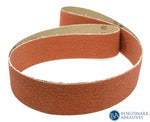
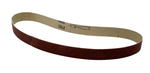
Getting a great result starts with choosing the right sandpaper and sanding belt. For removing old finishes and the top layer of weathered wood, begin with a coarse sandpaper grit, usually 40 or 60. This will efficiently remove the old coating and save you a lot of time. Once the old finish is gone, switch to a finer grit sandpaper (around 80 or 100) to create a smooth, ready-to-finish surface.
The Physical Demands of the Job
Of course, the length of time it takes to sand your deck will depend on its size. If you aren't used to sanding decking, it may be an unpleasant task that can leave your knees hurting and your back screaming. This is a sign you should take breaks often. If you decide to sand the deck by hand, get some knee protectors. The inexpensive ones will function reasonably well if you only use them for your deck.
Conclusion
Can you sand a deck with a belt sander? Yes, absolutely. Its power and efficiency make it one of the best options for removing stubborn old finishes. By properly preparing your deck, using the right sandpaper, and following a good technique, you can transform your tired deck back into a beautiful outdoor space.
Join Our Newsletter
Sign up to get the latest on sales, new releases and more …Join Our Newsletter
Sign up to get the latest on sales, new releases and more …Shop Categories
Recent Articles
- Resin Fiber Discs: Proper Storage and Handling Techniques
- Sanding Belt Safety Tips: Best Practices for Safe Operation
- 1X30 Sanding Belts for Metalworking & Knife Making
- Why Sanding Belts Stop Cutting Efficiently
- Best Sanding Discs for Automotive Paint Preparation
- How to Change Sandpaper on a Drum Sander
- Sanding Drums for Metal, Finishing, and Deburring
- Sanding Disc Accessories: Backing Pads & Disc Tools
- Random Orbital Sander
- Ways to Remove Rust from Metal
Featured Products
-
 746 Reviews
4-1/2" x 7/8" T29 Zirconia High Density Flap Disc - 10 pack
$25.19
-
 738 Reviews
4-1/2" x .040" x 7/8" t1 premium thin cut-off wheel - 25 pack
$20.88
-
 220 Reviews
4-1/2" x 7/8" T27 Zirconia High Density Flap Disc - 10 pack
$25.19
-
 380 Reviews
6" x .045 x 7/8" T1 Premium Thin Cut-Off Wheel - 25 pack
$27.29
-
 55 Reviews
Nonwoven 6" X 9" Scuff, Clean & Finish Hand Pads
$0.83
-
 123 Reviews
4-1/2" x 1/4" x 7/8" T27 Depressed Center Grinding Wheel - 25 pack
$28.34


Blog Categories
- Abrasives
- Sanding
- Grinding Deburring Finishing
- Safety and Cleanliness
- Metal Working
- Selecting Tools And Equipment
- Wood Working
- Art And Design
- Diy Projects
- Industry 4.0
- Buffing
- Cutting Tools
- Carbide Burrs
- PPE
- Wire Brushes
- Bonded Abrasives
- TIG Electrodes
- Wire Wheels
- Bits
- Diamond Blades
- Power Brushes
- Product Reviews
- Grinding
- Finishing
- Industrial Cleaners