



























Buffing Wheels and Compounds for a Mirror Finish on Metal

There is a specific moment in a metalworking project that feels like pure magic: that split second when a dull, gray piece of aluminum or steel suddenly transforms into a liquid-like, reflective surface. Achieving a true mirror shine is the ultimate goal for many DIY projects, automotive restorers, and industrial fabricators across the United States and the United Kingdom.
However, polishing metal to a high-luster finish isn't just about “rubbing it until it glows.” It is a calculated, multi-stage mechanical process. It starts with aggressive abrasive materials like resin fiber discs, moves through refined sanding, and concludes with the precise combination of buffing wheels and polishing compounds. This guide will show you the professional way to turn a rough surface into a mirror shine finish.
Differences in the Metal You’re Polishing
Before you touch a wheel to your workpiece, you must identify what you are holding. Not all metals react to friction and heat in the same way.
- Stainless Steel: Known as a "hard" metal. It has high wear resistance and requires a significant "cut" to remove scratches. You’ll need aggressive color compounds and high-pressure airway buffing wheels.
- Soft Metals (Brass, Copper, Aluminum): These are softer metals that "smear" easily if they get too hot. They require a delicate balance of speed and pressure.
- Non-Ferrous Metals: These don't contain iron and won't rust, but they oxidize. Polishing them involves removing that oxidation layer to reveal the "virgin" metal beneath.
- Precious Metals (Gold, Silver): These require the finest jeweler’s rouge and very soft cloth wheels to avoid removing too much material.
The hardness of your metal parts determines your "cutting action." A compound that works on stainless steel might be far too aggressive for a precious metals application, leaving deep gouges rather than a mirror-like finish.
Related Articles: How to Polish Brass with a Buffing Wheel
Finishing After Sanding Disc Prep (Before You Buff)
Here is the golden rule of polishing metal: You cannot buff out a scratch that you should have sanded out. The first stage of a mirror shine is actually sanding.
The Grit Progression
If your metal has deep gouges or a satin finish, you must level the surface using sanding discs or sanding sheets.
- Leveling: Start with a grit appropriate for the damage (e.g., 220 or 320).
- Refining: Move to 400, then 600 grit, and finally finer sandpaper, like 800 or 1000.
- Transition: By the time you reach 1500 or 2000 grit, the metal will have a hazy, "cloudy" reflection. This is the perfect starting point for buffing.
PSA vs. Hook and Loop
For prep work, we highly recommend PSA (Pressure-Sensitive Adhesive) or hook-and-loop sanding products. PSA discs offer a flatter, more rigid contact point, which is better for removing deep scratches, while hook-and-loop allows for faster grit changes. Using finer abrasives at this stage ensures the buffing wheel doesn't have to do the "heavy lifting," preventing the metal from overheating.
Types of Buffing Wheels and When to Use Them
A buffing wheel acts as the carrier for your metal polishing compound. The construction of the wheel determines how much "bite" it has.
Airway Buffing Wheel
These are the industry standards for high-performance work. Airway buffing wheels are made with pleated fabric that allows air to flow through the wheel while it spins. This heat management is crucial; if the metal gets too hot, the compound can "burn" onto the surface, creating a mess instead of a shine.
Felt, Cloth, and Specialty Wheels
Different types of buffing wheels are used for various stages of the polishing process:
- Felt Wheel: These are dense and hard. They are excellent for the initial "heavy cut" stage with brown tripoli.
- Stitched Cloth Wheels: Provide a medium-duty cut.
- Loose Flannel Wheels: Used for the final step to clear away residual compound and produce that "liquid" look.
Buffing Wheel Selection Guide
| Wheel Type | Best Compound | Expected Result |
| Sisal Wheel | Black Emery | Aggressive removal of 400-600 grit sanding marks. |
| Airway (Orange) | Brown Tripoli / Green Rouge | Blending and "coloring" to bring out initial clarity. |
| Felt Bob | White Rouge | Precision polishing in tight spots (jewelry/engine fins). |
| Loose Cotton | Blue Rouge / Competition Purple | Final high-luster "Show Shine" with zero haze. |
Buffing Tools and Machine Compatibility
Your choice of power tool will dictate your control and speed.
- Bench Grinder / Bench Buffers: The best for small metal objects you can hold in your hand. Dedicated bench buffers usually have longer "arms" to give you more room to maneuver the workpiece.
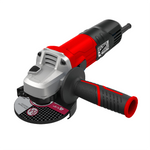
- Angle Grinder: Excellent for large metal surfaces (like a truck fuel tank). Be careful, the high-speed polishing of an angle grinder can quickly lead to swirl marks if not moved constantly.
- Rotary Tool (Dremel): Ideal for intricate DIY projects and precious metals.
- Variable Speed Polisher: The pro's choice. Being able to slow down the RPM prevents the "slinging" of the compound and keeps the metal cool.
Safety Warning: Never use a wheel with a maximum RPM lower than your tool’s speed. A wheel that disintegrates at 10,000 RPM is a cloud of shrapnel. Also, ensure your tool is compatible with your grinding wheels or cut-off wheel if you are pre-shaping the metal before the polishing begins.
Polishing Compound Color Breakdown (What Each One Does)
Compounds come in a rouge Bar or compound bar form. These bars are made of fine compounds (abrasive flours) held together by a wax or grease binder. The different colors indicate the "grit" of the compound.
The "Cut" Stage
- Brown Tripoli: The most common cutting compound. Use this for the initial removal of sanding scratches on soft metals like aluminum and brass.
- Black Magic / Emery: A very aggressive compound used for the first stage on stainless steel and hard metals.
The "Color" Stage (Refining)
- Green Rouge (Green Compound): Specifically designed for stainless steel. It provides a brilliant "color" (clarity) after the initial cut.
- White Rouge (White Compound): A versatile "middle" compound that cleans up the hazy marks left by tripoli.
The "Finish" Stage (The Mirror)
- Red Rouge (Jeweler’s Rouge): The classic for precious metals. It has almost no cutting power but offers incredible brightness.
- Blue Rouge: Used for the final stage on most metals to achieve a high luster finish.
- Purple: The ultimate final step for a show-quality mirror-like finish. It provides "depth" to the reflection.
Step-by-Step Buffing Sequence for a Mirror Shine
Follow this polishing process to make sure you don't waste time or abrasive products.
Step 1: The Initial Cut
Apply your brown tripoli (or black for steel) to a moving airway buffing wheel. Hold the workpiece firmly and move it in a circular motion or consistent side-to-side passes. Your goal is to eliminate all visible scratches from your sanding disc prep.
Step 2: The Color Stage
Wipe the metal clean (see the maintenance section for more). Switch to a cleaner wheel (never mix compounds on one wheel!) and apply green rouge or white rouge. This repeated step will remove the dullness and begin to show a reflection.
Step 3: The Final Luster
Switch to a soft, loose flannel wheel and apply blue rouge or competition purple. Use very light pressure. This is the final stage, when the "cloud" clears and the mirror shines.
Safety Warning: When buffing, always work on the "bottom half" of the wheel, spinning toward you. If the wheel catches an edge on the top half, it will launch the workpiece at you with incredible force. Always wear a dust mask and full face protection.
Common Mistakes That Ruin a Mirror Finish
Avoiding these common errors is key to a flawless finish:
- Skipping Grits: If you go from 600 grit straight to the buffing wheel, you will see "ghost scratches" under your shine.
- Cross-Contamination: Using green rouge on a wheel that still has brown tripoli on it. This is the #1 cause of persistent swirl marks.
- Applying Too Much Pressure: Pushing too hard won't make it shine faster; it will just melt the wax in the compound bar, making a smeared mess on the metal parts.
- Incorrect Speed: Running the tool too fast can "burn" the metal, especially soft metals like aluminum.
Maintenance, Cleanup, and Best Practices
To maintain a polished surface, you must be meticulous about cleanliness.
- Clean Between Stages: Use soapy water or a specialized "buffing cleaner" to remove all traces of the last compound.
- Rake Your Wheels: Use a "buffing rake" to remove dried, "caked-on" compound from your airway buffing wheels. This keeps the fibers open and effective.
- Store Properly: Keep your polishing pads and wheels in labeled bags. A single grain of sand falling on your final-finish wheel can ruin a smooth finish instantly.
- Protect the Shine: Once you achieve that reflective surface, apply a high-quality metal wax or sealant. Without it, non-ferrous metals will begin to oxidize and lose their luster within days.
Choosing the Right Products
At Benchmark Abrasives, we take pride in being a top supplier of abrasive products in the United States. Our bestsellers include comprehensive polishing kits that take the guesswork out of compound selection. We offer a wide range of:
- High-density buffing wheels for industrial stainless steel work.
- Professional-grade rouge bar sets (from Tripoli to Purple).
- PSA and hook-and-loop sanding discs for that essential prep work.
From Sanding to Shine: Build Your Perfect Finish
Achieving a mirror shine is a journey of patience. It is a transition from the aggressive cutting action of sanding discs to the delicate, high-luster finish provided by fine compounds.
Remember: mirror shine comes from the right sequence, not shortcuts. If you take the time to prep with PSA or hook-and-loop products and respect the color compound hierarchy, you will transform any metal parts into a work of art.
Ready to transform your polishing job? Explore our full range of buffing wheels and polishing compounds at Benchmark Abrasives. From the first scratch to the final stage of finishing, we have all the tools to help you polish metal the right way. Visit our store today.
Join Our Newsletter
Sign up to get the latest on sales, new releases and more …Join Our Newsletter
Sign up to get the latest on sales, new releases and more …Shop Categories
Recent Articles
- Ceramic vs Zirconia vs Aluminum Oxide Grinding
- Carbide Burrs: The Complete Guide to Types, Uses, and Selection
- General Purpose Diamond Blades
- Buffing Wheel Guide: How to Polish, Finish, and Perfect Any Surface
- Hole Saws: Complete Guide to Types, Uses, and Choosing the Right Kit
- Introduction to Drum Sanders and Linear Finishing for Metalworkers
- Buffing Wheels and Compounds for a Mirror Finish on Metal
- Angle Grinder Accessories Every Fabricator Should Own in 2026
- Welder Showcase Hub: Featured Fabricators and Their Builds
- Abrasive Trends for 2026: Efficiency, Safety, and Innovation
Featured Products
-
 746 Reviews
4-1/2" x 7/8" T29 Zirconia High Density Flap Disc - 10 pack
$25.19
-
 734 Reviews
4-1/2" x .040 x 7/8" T1 Premium Thin Cut-off Wheel - 25 pack
$20.88
-
 220 Reviews
4-1/2" x 7/8" T27 Zirconia High Density Flap Disc - 10 pack
$25.19
-
 380 Reviews
6" x .045 x 7/8" T1 Premium Thin Cut-Off Wheel - 25 pack
$27.29
-
 123 Reviews
4-1/2" x 1/4" x 7/8" T27 Depressed Center Grinding Wheel - 25 pack
$28.34
-
 55 Reviews
Nonwoven 6" x 9" Scuff, Clean & Finish Hand Pads
$0.83


Blog Categories
- Abrasives
- Sanding
- Grinding Deburring Finishing
- Safety and Cleanliness
- Metal Working
- Selecting Tools And Equipment
- Wood Working
- Art And Design
- Diy Projects
- Industry 4.0
- Buffing
- Cutting Tools
- Carbide Burrs
- PPE
- Wire Brushes
- Bonded Abrasives
- TIG Electrodes
- Wire Wheels
- Bits
- Diamond Blades
- Power Brushes
- Product Reviews
- Grinding
- Finishing
- Industrial Cleaners