




























Sanding Drums for Metal, Finishing, and Deburring

In the modern world of fabrication and finishing, precision is often found in the details that flat abrasives simply cannot reach. While sanding discs and belts are excellent for large, flat surfaces, sanding drums are the essential sanding tools for navigating contours, smoothing inside edges, and reaching into tight spaces where agility is paramount. A sanding drum provides a level of versatility that is hard to match, allowing a fabricator to move seamlessly from aggressive material removal to delicate polishing.
Whether you are using a die grinder, a drill press, or a small rotary tool, these tool accessories are the key to high-quality results in sanding projects ranging from industrial metalwork to home improvement.
This guide will help you choose the right drum type, grit, and tool setup to ensure your deburring, blending, and surface prep jobs are done professionally.
Professional Sanding Drums for Surface Prep, Finishing, and Polishing
Sanding drums have established themselves as a must-have across diverse fabrication workflows. Unlike a standard flap wheel or a large sanding belt, a drum offers a unique combination of structural rigidity and surface flexibility. While a coated abrasive on a flat disc might gouge a curved surface, the cylindrical shape of a sanding drum, especially when using an aluminum oxide abrasive, works more naturally with the workpiece.
By utilizing different drum categories, such as interleaf, nonwoven, stripping, or buffing, you can take a piece of raw metal from a rough-cut state to a mirror-smooth finish. This flexibility makes them essential for fabricators working with metal, wood, or plastics who need a reliable way to manage a sanding surface that isn't perfectly flat.
Sanding Drums: What are they?
At its most basic level, a sanding drum consists of an abrasive material wrapped around a cylindrical core. This structure allows the tool to spin at high speeds while maintaining its shape, providing a consistent contact point for the workpiece.
Key Components
The system is generally broken down into three main parts:
-
The rubber drum or mandrel core: This provides the physical support and determines the diameter of the tool.
-
The abrasive sleeve or flap system: This is the consumable portion, which can range from a simple sanding band to a complex interleaf structure.
-
The mounting system: Typically involving mandrels or chucks that connect the drum to your power tool.
Unlike flat abrasives that rely on a backing pad for support, drum sanding kit components are often interchangeable. You might have a single rubber drum and a variety of drum sander sleeves or spindle sander sleeves in a sleeves set. This allows for quick grit changes and a wide range of sand bands to be used on the same hardware.
How to Select the Right Sanding Drum
Choosing the right equipment is a matter of matching the tool to the task and the environment.
Choose the Right Drum Type
Before you start, identify your primary goal. Are you stripping rust, deburring a freshly cut pipe, or performing a final polish? A stripping drum is built for aggression, while a non-woven drum is designed for surface conditioning without removing significant base material.
Select the Right Grit
Grit sanding drums follow a logical progression. Start with coarse grits (36–60) for heavy removal or shaping. Move to medium grits (80–120) for blending and removing scratches, and finish with fine grits (180+) for prep work before polishing. Using a grit sandpaper progression ensures you don't leave deep scratches that are impossible to buff out later.
Match the Tool and Setup
Sanding drums are highly compatible across different platforms:
- Die Grinder: Ideal for high-speed, handheld precision.
- Power Drills: Great for general-purpose work and portability.
- Drill press: Perfect for stationary, vertical sanding where you need consistent 90-degree angles.
- Rotary tools: Best for intricate detail work in tight reach areas.
Consider Size and Access
The diameter of the drum you choose should be slightly smaller than the curve or hole you are sanding. Having a variety of different sizes ensures you can maintain maximum contact with the sanding surface without binding the tool.
Interleaf vs. Nonwoven vs. Stripping Sanding Drums
Understanding the material science behind the drum determines the quality of your finish.
Interleaf Sanding Drums
These drums combine a coated abrasive with nonwoven material. They are the "goldilocks" of the finishing world, providing enough bite to remove minor imperfections while the nonwoven fibers blend the finish simultaneously. They are the top choice for stainless steel blending.
Nonwoven Sanding Drums
If you need to clean a surface or apply a decorative "brushed" finish without changing the geometry of the part, nonwoven is the way to go. These provide consistent finishes across a long sanding surface and are excellent for removing oxidation.
Stripping Sanding Drums
These are the heavy hitters. Often made of an extra-coarse silicon carbide or specialized ceramic, stripping drums are designed to tear through paint, heavy rust, and thick buildup. They are an aggressive coated abrasive designed for speed rather than finesse.
Flap Wheel Sanding Drum Designs
A flap wheel design offers the most flexibility. Because the sandpaper flaps can move independently, they "hug" contours and irregular shapes better than a solid rubber drum.
Buffing Drums vs. Abrasive Sanding Drums
Knowing the difference between an abrasive drum and a buffing drum is essential for choosing the right tool. An abrasive drum is used for the "work", the shaping, deburring, and refining of the material. A buffing drum is used with polishing machines or high-speed tools for the final touch.
A typical workflow involves using an abrasive sanding surface to achieve a smooth finish, followed by a buffing drum to bring out the luster of the metal. If you jump to buffing too early, you will simply polish the scratches left by the previous steps.
Best Uses for Sanding Drums
Sanding Drums for Metal
Metalworkers use these tools for cleaning welds in corners and surface blending. Because metal is unforgiving, the consistent pressure of a drum helps prevent flat spots that can occur with hand-sanding.
Sanding Drums for Deburring
Removing sharp edges from the internal diameters of pipes or machined holes is one of the most common uses for a sanding drum. A small-diameter drum can reach inside a cylinder to leave a safe, rounded edge.
Sanding Drums for Polishing
In automotive and jewelry work, these drums are the prep-master. By using a fine-grit drum, you can achieve a uniform surface that is ready for a high-gloss finish.
Woodworking and Detail Work
For those involved in woodcarving or furniture making, sanding drums are essential for shaping curves. They act as a handheld spindle sander, allowing for fluid motion along organic shapes.
Tool Compatibility and Setup
Ensuring your drum is securely mounted is vital for both performance and safety.
- Dremel Rotary Tool: These typically use a 1/8 inch mandrel. They are perfect for light-duty detail work.
- Die Grinder: Often uses a 1/4 inch mandrel or larger. This is the industrial standard for heavy-duty metalwork.
- Power Drill and Drill Press: These usually utilize a standard chuck. Ensure the mandrel is seated deeply in the drill chucks to prevent wobbling.
Safety Warning: Always check the maximum RPM rating of your sanding drum against the speed of your power tool. Using a drum at a speed higher than its rating can cause the abrasive to fly apart or the rubber drum to fail. Always wear eye protection and a dust mask.
Sanding Drum Kits, Sleeves, and Accessories
Most professionals find that a sanding drum kit is the most cost-effective way to start. An aluminum oxide sanding drum set or a rubber sanding drum set usually includes several sizes of drums and a sleeve set of various grits.
As you wear through the abrasives, you can simply purchase replacement sleeves. This product ecosystem often includes specialized tool bits and sanding drums, sandpaper sticks, and set options for even finer detail work. Buying a kit ensures you have the right mandrel size (such as a 1/4-inch or 1/8-inch mandrel) for whatever tool you happen to be using that day.
Sanding Drums vs. Other Abrasive Tools
Why choose a drum over other options?
-
Sanding Discs: Great for flats, but terrible for curves.
-
Sanding Belts: Excellent for large areas, but lack the precision of a handheld drum.
-
Flap Wheel: Similar in function, but a drum with a sleeve often provides a more rigid and precise sanding surface for flat-edge deburring.
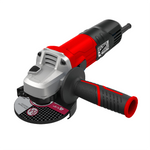
While an angle grinder is a powerful tool, it often lacks the finesse required for the internal geometries that a die grinder with a sanding drum can handle.
FAQs
1. What are sanding drums used for?
They are used for shaping, smoothing, and finishing curved or irregular surfaces, as well as for reaching into internal diameters to deburr.
2. What is the difference between interleaf, nonwoven, and stripping sanding drums?
Interleaf blends and finishes, nonwoven conditions the surface without removing much material, and stripping drums aggressively remove heavy coatings and rust.
3. Are sanding drums good for metal finishing?
Yes, they are a standard tool for achieving a smooth finish and consistent surface prep on various types of metal.
4. When should I use a buffing drum instead of an abrasive sanding drum?
Use a buffing drum only after you have finished all material removal and refining with abrasive drums. Buffing is the final step for a high-gloss shine.
5. Can sanding drums be used for deburring and surface prep?
Absolutely, sanding drums and surface prep wheels are among the most effective tools for removing sharp edges and preparing a sanding surface for paint or plating.
Build Better Finishes with the Right Sanding Drum Setup
The quality of your final product depends on the tools you use to get there. By incorporating the right sanding drum into your workflow, you can handle complex shapes and achieve precision finishes that other tools simply can't match.
- Sanding drums excel at contour work and precision finishing.
- Different drum types serve different stages of the process, from removal to polishing.
- Tool compatibility and grit selection are critical for both safety and performance.
- Kits and accessories, such as rubber drums and sleeve sets, improve shop efficiency.
Ready to take your finishing to the next level? Explore our professional categories, from interleaf and non-woven abrasive sanding drums to stripping and buffing options. Check our customer reviews to see how other fabricators have achieved their best experience, and ensure you have the right setup for every project.
Join Our Newsletter
Sign up to get the latest on sales, new releases and more …Join Our Newsletter
Sign up to get the latest on sales, new releases and more …Shop Categories
Recent Articles
- Resin Fiber Discs: Proper Storage and Handling Techniques
- Sanding Belt Safety Tips: Best Practices for Safe Operation
- 1X30 Sanding Belts for Metalworking & Knife Making
- Why Sanding Belts Stop Cutting Efficiently
- Best Sanding Discs for Automotive Paint Preparation
- How to Change Sandpaper on a Drum Sander
- Sanding Drums for Metal, Finishing, and Deburring
- Sanding Disc Accessories: Backing Pads & Disc Tools
- Random Orbital Sander
- Ways to Remove Rust from Metal
Featured Products
-
 746 Reviews
4-1/2" x 7/8" T29 Zirconia High Density Flap Disc - 10 pack
$25.19
-
 738 Reviews
4-1/2" x .040" x 7/8" t1 premium thin cut-off wheel - 25 pack
$20.88
-
 220 Reviews
4-1/2" x 7/8" T27 Zirconia High Density Flap Disc - 10 pack
$25.19
-
 380 Reviews
6" x .045 x 7/8" T1 Premium Thin Cut-Off Wheel - 25 pack
$27.29
-
 55 Reviews
Nonwoven 6" X 9" Scuff, Clean & Finish Hand Pads
$0.83
-
 123 Reviews
4-1/2" x 1/4" x 7/8" T27 Depressed Center Grinding Wheel - 25 pack
$28.34


Blog Categories
- Abrasives
- Sanding
- Grinding Deburring Finishing
- Safety and Cleanliness
- Metal Working
- Selecting Tools And Equipment
- Wood Working
- Art And Design
- Diy Projects
- Industry 4.0
- Buffing
- Cutting Tools
- Carbide Burrs
- PPE
- Wire Brushes
- Bonded Abrasives
- TIG Electrodes
- Wire Wheels
- Bits
- Diamond Blades
- Power Brushes
- Product Reviews
- Grinding
- Finishing
- Industrial Cleaners