



























Best Sanding Discs for Automotive Paint Preparation

Achieving a professional-grade finish on a vehicle is 90% preparation and 10% paint application. Many DIY enthusiasts and even junior technicians make the mistake of rushing the sanding process, only to find that deep sanding marks plague their final result, poor clear coat adhesion, or unsightly swirl marks. The right sanding disc is not just an accessory; it is the foundation of your entire bodywork project.
Using the wrong abrasive for a specific stage of paint preparation can create uneven scratch patterns that are impossible to hide under a base coat or clear coat. Whether you are stripping car paint down to bare metal, tackling a rust repair, or performing the delicate final sanding before a respray, selecting the best sanding disc for the job is essential.
This guide will help you learn the different stages of abrasives, tools, and best practices to ensure your paint prep results in a flawless, factory-quality finish.
Why Sanding Matters in Automotive Paint Preparation
Think of sanding as creating a mechanical "anchor" for your paint. If the surface is too smooth, the primer won't grip; if the scratches are too deep, they will "read through" the paint layers, ruining the smooth surface you spent hours trying to achieve.
Proper prep work ensures:
- Primer Adhesion: Creating a uniform texture allows primer to lock into the metal or existing paint surface.
- Base Coat Application: A consistent scratch pattern prevents light from reflecting unevenly off the finished panel.
- Clear Coat Smoothness: By removing defects early, you reduce the need for aggressive color sanding later, preserving the integrity of your topcoat.
Different Types of Sanding Discs for Automotive Paint Prep
Hook and Loop Discs
The hook and loop sanding discs are the standard for the automotive industry. The hook-and-loop system allows for lightning-fast changes between grit levels, which is essential during multi-stage sanding applications. When paired with high-quality backing pads, they offer superior control for random orbital sanders and DA Sander accessories setups.
Film Discs for Consistent Finishing
Unlike paper-backed discs, a film disc features a polyester film backing that is incredibly tear-resistant. This consistency is vital when working with fine-grit or finer grits; you get a uniform cut across the entire disc surface, which is critical for clear coat prep.
Flap Discs
When you are dealing with stripping paint removal or rust removal from metal, you need the power of flap discs. These heavy-duty discs use a coarse grit and overlapping flaps to grind down welds or corrosion quickly. Use these with caution, as they are not designed for finish work.
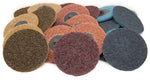
Scuff Pads and Hand Sanding Accessories
There is no substitute for hand sanding when you reach tight corners, door jams, or complex body curves. Scuff pads are excellent for dulling paint surfaces before blending or ensuring you reach uneven surfaces on body panels that a machine cannot access.
Related Post: PSA PAD vs Hook and Loop Discs
How to Choose the Right Grit for Automotive Paint Preparation
Selecting the different grit levels is a science of progression.
- Lower Grits (80–180): Use this lower grit or coarse grit range for old paint removal and initial rust removal. These are strictly for "metal prep" and should never be used on a surface you intend to paint without priming first.
- Medium Grits (220–400): This is the heart of your prep work. Use these for feather-edging repairs, smoothing primer, and blending. This stage is where you eliminate deep sanding marks from the previous step.
- Fine Grits (600–2000+): These finer grits are for final sanding before applying the base coat or preparing a factory finish for a re-spray. They provide the smoother finish required to ensure the clear coat flows out perfectly.
Best Abrasive Materials for Automotive Sanding Discs
- Silicon Carbide: Highly sharp, ideal for dry or wet sanding. It is the go-to for fine finishing because it provides a very uniform scratch pattern.
- Zirconia Alumina: Known for its long life and aggressive cut. It is a heavy-duty choice that stays sharp under high pressure, making it perfect for the initial stages of a sanding job.
Choosing the Right Sander for Automotive Paint Prep
- DA Sander (Dual Action): DA Sander is king for all sanding jobs. Its dual-action motion (rotating and oscillating) is designed to minimize swirl marks and provide a professional, consistent finish.
- Random Orbital Sanders: Excellent for general smoothing. Because the motion is random, it significantly reduces the chance of leaving permanent sanding marks on your smooth surface.
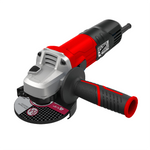
- Angle Grinders: Use a power sander or angle grinder only for high-speed, aggressive material stripping. Be extremely careful—these power tools generate massive heat that can warp thin sheet metal if left in one spot too long.
Best Practices for Automotive Paint Preparation
- Cleanliness is Key: Always wipe the surface with a wax and grease remover before you start sanding. If you sand over dirt, you are just grinding contaminants into the metal.
- Grit Progression: Never skip more than one grit level (e.g., don't go from 80 to 400). You will leave visible scratches behind that will show up later.
- Edge Control: Use masking tape to protect trim, rubber seals, and adjacent panels. It’s easy to accidentally "burn" through an edge with a machine sander.
- Dry vs. Wet Sanding: Dry sanding is faster and easier for general prep, but wet sanding (using water to keep the disc clean) is often preferred for final coats to achieve the best results.
Best Sanding Discs by Automotive Application
- Paint Removal: Use 80-grit ceramic or zirconia discs.
- Rust and Corrosion Repair: Use 60–80 grit flap discs.
- Primer Sanding: Use 320–400 grit film discs.
- Final Paint Prep: Use 600–800 grit finishing discs.
FAQs
1. What grit sanding disc is best for automotive paint prep?
It depends on the stage. Start with 80-grit for stripping, move to 320 for primer, and finish with 600+ for paint-ready surfaces.
2. Can you use flap discs on car paint?
No. Flap discs are for metal work, rust, and weld cleanup only. They are far too aggressive for car paint and will cause serious damage.
3. Do DA sanders leave swirl marks?
Not if used correctly! Use a quality DA Sander with a fresh disc and keep the tool moving. Swirls are usually caused by using a grit that is too coarse or by not following a proper grit progression.
From Rough Prep to Showroom Shine: Choosing the Right Sanding Disc
Your final paint job is only as good as the sanding process beneath it. By matching your grit to the stage of auto body repair, choosing the correct abrasive material, and pairing your automotive sanding discs with the proper tool, you set the stage for professional results.
Key Takeaways:
- Always progress through your grit levels—never skip steps.
- Use a film backing for final clear coat preparation for the most consistent finish.
- Clean your surface thoroughly before and during the sanding process to prevent contamination.
Ready to start your project? Shop automotive sanding discs now to find the perfect grit for your next job. Don't forget to stock up on sanding pads, flap discs, and surface conditioning products to ensure you have everything you need for the best results.
Join Our Newsletter
Sign up to get the latest on sales, new releases and more …Join Our Newsletter
Sign up to get the latest on sales, new releases and more …Shop Categories
Recent Articles
- Resin Fiber Discs: Proper Storage and Handling Techniques
- Sanding Belt Safety Tips: Best Practices for Safe Operation
- 1X30 Sanding Belts for Metalworking & Knife Making
- Why Sanding Belts Stop Cutting Efficiently
- Best Sanding Discs for Automotive Paint Preparation
- How to Change Sandpaper on a Drum Sander
- Sanding Drums for Metal, Finishing, and Deburring
- Sanding Disc Accessories: Backing Pads & Disc Tools
- Random Orbital Sander
- Ways to Remove Rust from Metal
Featured Products
-
 746 Reviews
4-1/2" x 7/8" T29 Zirconia High Density Flap Disc - 10 pack
$25.19
-
 738 Reviews
4-1/2" x .040" x 7/8" t1 premium thin cut-off wheel - 25 pack
$20.88
-
 220 Reviews
4-1/2" x 7/8" T27 Zirconia High Density Flap Disc - 10 pack
$25.19
-
 380 Reviews
6" x .045 x 7/8" T1 Premium Thin Cut-Off Wheel - 25 pack
$27.29
-
 55 Reviews
Nonwoven 6" X 9" Scuff, Clean & Finish Hand Pads
$0.83
-
 123 Reviews
4-1/2" x 1/4" x 7/8" T27 Depressed Center Grinding Wheel - 25 pack
$28.34


Blog Categories
- Abrasives
- Sanding
- Grinding Deburring Finishing
- Safety and Cleanliness
- Metal Working
- Selecting Tools And Equipment
- Wood Working
- Art And Design
- Diy Projects
- Industry 4.0
- Buffing
- Cutting Tools
- Carbide Burrs
- PPE
- Wire Brushes
- Bonded Abrasives
- TIG Electrodes
- Wire Wheels
- Bits
- Diamond Blades
- Power Brushes
- Product Reviews
- Grinding
- Finishing
- Industrial Cleaners