

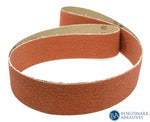


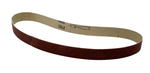
























1X30 Sanding Belts for Metalworking & Knife Making

1x30 sanding belts are compact abrasive belts for benchtop belt sanders, and they are typically used for knife sharpening and profiling, deburring and weld blending on small metal parts, tool sharpening, and detailed woodworking.
If you frequent a hobbyist workshop, a professional fabrication shop, or a custom knife-making studio, you likely have a 1x30 belt sander within arm’s reach. These compact 1X30 sanding belts are the unsung heroes of the abrasive world.
Whether you are a professional fabricator or a DIY enthusiast working on home improvement projects, understanding how to choose and use these abrasive belts can transform your workflow. By matching the right abrasive material and grit progression to your specific project, you can achieve superior results with greater efficiency.
What are 1X30 Sanding Belts Used For?
In metalworking, sanding belts are essential for precision tasks. They excel at cleaning up rough edges on stainless steel and carbon steel parts after plasma or laser cutting. Because of their size, they are perfect for weld blending, cleaning up corner fillets, and performing heavy-duty sanding on small components where a larger machine would be cumbersome.
Knife Making and Blade Sharpening
For custom knifemakers, the 1x30 is often the starting point for blade profiling and bevel grinding. Using specialized knife sharpening sanding belts, makers can refine an edge from a rough grind to a razor-sharp finish. The key here is proper grit progression—starting with coarse belts to establish the geometry, then moving to finer grits, and eventually to a honing belt or leather strop for that final, mirror-edge polish.
Woodworking and Home Workshop Uses
These belts aren't just for metal. From smoothing a flush joint on a woodworking project to sharpening garden tools, they provide a level of control that larger sanders cannot match. They are the ideal choice for general-purpose sanding in tight corners or for touch-up work on custom wood shapes.
Understanding Abrasive Types for 1X30 Belts
Aluminum Oxide Belts for Everyday Sanding
Aluminum oxide remains the standard for general-purpose work. It is an affordable, versatile choice for mild steel, wood, and plastic. If you are doing basic cleanup, an aluminum oxide grain belt is usually your best starting point.
Ceramic Sanding Belts for Aggressive Grinding
When you need high performance, upgrade to ceramic sanding belts. These are engineered for heavy material removal and run cooler than standard grains. In professional metalworking, ceramic belts are the preferred choice because they don't dull as quickly when working with hardened alloys, significantly extending sanding belt life.
Related Post: Ceramic vs Zirconia Sanding Belts
Silicon Carbide Belts for Fine Finishing
For tasks requiring an ultra-fine finish, silicon carbide is the abrasive of choice. It is commonly used for finishing glass, stone, and non-ferrous metals. If you are aiming for a smooth, high-quality surface, these belts provide the consistency needed for final refinement.
How to Choose the Right Grit
Selecting the correct sanding belt grit is essential for achieving the best project results. Use the following grit chart to help you choose the ideal sanding belt for your needs.
| Grit range | Use it for | Typical jobs |
| 40-80 (coarse) | Heavy material removal | Rust removal, shaping, knocking down deep gouges, blade profiling |
| 100-180 (medium) | Surface conditioning / blending | Erasing coarse scratches, intermediate prep before finishing |
| 220-1000+ (fine/ultra-fine) | Finishing & honing | Polishing, refining the edge, pre-strop on knives |
How to Match 1X30 Belts to Your Equipment
Belt Sanders and Bench Grinders
Most 1x30 systems are designed for tabletop use. Whether you have a dedicated belt sander or a combination disc sander, ensure the belt is properly tracked. Incorrect tension can cause the belt to wobble, leading to uneven wear and potential belt failure.
Handheld vs Stationary Systems
Stationary setups offer more precision for knife making and repeatable fabrication tasks. However, portable systems allow you to bring the tool to the workpiece, which is beneficial for large fabrications or repair work. Regardless of your setup, always maintain steady pressure to keep the belt centered on the rollers.
What Buyers Should Look for Before Purchasing
Premium Quality vs. Economy: You get what you pay for. Premium quality belts feature reinforced seams and consistent grain distribution, which means they don't break as easily and leave fewer "stray" scratch marks on your project.
Sanding Belt Assortment: If you are unsure where to start, buy a sanding belt assortment. These belt kits include a variety of grits, allowing you to experiment with your sanding progression without committing to a bulk pack of one grit.
FAQs
1. What are 1x30 sanding belts best used for?
Knife making, tool sharpening, deburring metal, and precision woodworking.
2. Which abrasive material is best for stainless steel?
Ceramic is the best abrasive for stainless steel due to its heat resistance and aggressive cutting action.
3. What grit should I use for knife sharpening?
Start with 120-220 for establishing the edge, then progress through 400, 600, and 1000+ for the final finish.
4. How long do 1x30 sanding belts last?
It depends on the material. Cutting soft steel will last longer than grinding hardened stainless; ceramic will last much longer than aluminum oxide.
5. Are ceramic belts worth the higher cost?
Yes, if you are doing high-volume grinding, their speed and durability pay for themselves quickly.
Small Belt, Big Results: Getting More From 1X30 Sanding Belts
The 1x30 belt is one of the most capable tools in any shop. Whether you are aiming for a mirror-sharp knife edge or preparing a structural piece for a weld, your success hinges on selecting the right abrasive belt and following a proper grit sequence.
Ready to upgrade your abrasive toolkit? Explore our premium selection of 1X30 sanding belts, including high-performance ceramic, versatile aluminum oxide, and precision silicon carbide options. From sanding belt assortments to specialized knife sharpening sanding belts, we have the abrasive solutions to help you achieve the smooth finish your projects deserve.
Join Our Newsletter
Sign up to get the latest on sales, new releases and more …Join Our Newsletter
Sign up to get the latest on sales, new releases and more …Shop Categories
Recent Articles
- Resin Fiber Discs: Proper Storage and Handling Techniques
- Sanding Belt Safety Tips: Best Practices for Safe Operation
- 1X30 Sanding Belts for Metalworking & Knife Making
- Why Sanding Belts Stop Cutting Efficiently
- Best Sanding Discs for Automotive Paint Preparation
- How to Change Sandpaper on a Drum Sander
- Sanding Drums for Metal, Finishing, and Deburring
- Sanding Disc Accessories: Backing Pads & Disc Tools
- Random Orbital Sander
- Ways to Remove Rust from Metal
Featured Products
-
 746 Reviews
4-1/2" x 7/8" T29 Zirconia High Density Flap Disc - 10 pack
$25.19
-
 738 Reviews
4-1/2" x .040 x 7/8" T1 Premium Thin Cut-off Wheel - 25 pack
$20.88
-
 220 Reviews
4-1/2" x 7/8" T27 Zirconia High Density Flap Disc - 10 pack
$25.19
-
 380 Reviews
6" x .045 x 7/8" T1 Premium Thin Cut-Off Wheel - 25 pack
$27.29
-
 55 Reviews
Nonwoven 6" x 9" Scuff, Clean & Finish Hand Pads
$0.83
-
 123 Reviews
4-1/2" x 1/4" x 7/8" T27 Depressed Center Grinding Wheel - 25 pack
$28.34


Blog Categories
- Abrasives
- Sanding
- Grinding Deburring Finishing
- Safety and Cleanliness
- Metal Working
- Selecting Tools And Equipment
- Wood Working
- Art And Design
- Diy Projects
- Industry 4.0
- Buffing
- Cutting Tools
- Carbide Burrs
- PPE
- Wire Brushes
- Bonded Abrasives
- TIG Electrodes
- Wire Wheels
- Bits
- Diamond Blades
- Power Brushes
- Product Reviews
- Grinding
- Finishing
- Industrial Cleaners