



























How Long Should Good Sanding Belt Last - Complete Lifespan Guide

Nothing kills workshop momentum quite like a sanding belt that suddenly loses its bite. One moment you're making steady progress on your project, the next you're pushing harder against wood that barely seems to respond. The belt looks fine, but the results tell a different story—it's time for a replacement.
This scenario plays out in workshops everywhere, leaving woodworkers and DIY enthusiasts wondering: exactly how long should a quality sanding belt last? The answer isn't just about getting your money's worth. When you understand sanding belt lifespan, you can plan projects better, budget more effectively, and avoid those frustrating mid-project slowdowns.
The lifespan of your sanding belts depends on several key factors, including the type of abrasive material and backing, as well as how you use and store them. In this guide, we'll break down everything you need to know about maximizing your sanding belt investment and recognizing when it's time to swap in a fresh one.
Types of Sanding Belts and Their Expected Lifespans
Choosing the right sanding belt has a significant impact on its longevity and performance. Different abrasive materials are designed for specific tasks, with the backing material also affecting durability.
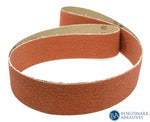
Aluminum oxide belts are versatile and affordable, offering a moderate lifespan for general woodworking. For superior durability and aggressive material removal, ceramic belts are an excellent choice. Their self-sharpening abrasive grains ensure continuous cutting efficiency, providing long-lasting performance. Zirconia belts offer a good balance of durability and value, performing well on hardwoods and metals with self-sharpening properties. Lastly, Silicon carbide belts, with their sharp, brittle abrasive grains, are ideal for achieving fine finishes on non-ferrous metals and cast iron, as well as for producing very smooth surfaces on wood.
When comparing expected hours of use, aluminum oxide might offer tens of hours, while ceramic belts can last for hundreds, especially in demanding applications. The quality of the backing material, whether heavy-duty cloth or durable paper, directly impacts the belt's resistance to tearing and stretching, further extending its lifespan.
An important aspect to consider is the price vs. performance analysis: while premium abrasive materials like ceramic belts have a higher initial cost, their significantly longer life and superior cutting ability often result in lower overall costs per project.
Factors That Affect Sanding Belt Lifespan
The lifespan of a sanding belt is affected by several functional factors. Grit size is fundamental, with coarse grit (lower numbers) leading to rapid material removal but also faster wear due to increased work per abrasive grain. Conversely, finer grits or higher grits are for finishing and can also cause premature wear if it is not suitable for the surface.
The type of material being sanded, such as hardwood or metal, directly affects wear, often generating more friction and excessive heat. A sanding machine at high speed creates more friction and excessive heat, dulling abrasive grains faster and causing premature wear.
Similarly, applying excessive pressure damages grains and reduces stock removal efficiency while increasing heat. Heat generation, whether from speed, pressure, or a clogged belt, significantly reduces cutting efficiency.
Also, preparing your workpiece before sanding is important for the longevity of the belt. Make sure the surface is clean and free of contaminants such as old paint, glue, or dirt. This clogging reduces the belt's cutting efficiency and shortens its lifespan.
Signs Your Sanding Belt Needs Replacement
Knowing when to replace a sanding belt is crucial for quality work. The most apparent indicator of a worn-out belt is visible wear, such as dull or reduced abrasive grains or tears in the backing, all pointing to bad belts. Beyond visual indications, a decrease in cutting efficiency or the burn marks on your workpiece show that the belt needs replacement.
Excessive loading is another common issue where debris clogs the abrasive grains. If the belt appears to have a smooth surface in areas that should be a rough surface with sharp grains, it indicates continuous loading, signifying the end of the life of the belt.
The integrity of the belt joint is also important. If the belt joint begins to separate or causes a noticeable bump during use, the life of the belt is nearing its end. Additionally, the finished surface quality is also crucial; if the belt fails to produce the desired finish, it's time for a replacement. Even without obvious signs, considering time-based replacement in high-volume settings can maintain efficiency.
Related Article: How to Measure A Sanding Belt
How to Maximize the Life of Sanding Belts with Proper Use and Storage?
By following proper use and storage practices, you can significantly extend the life of your sanding belts.
1. Proper Storage: Store belts flat or hung vertically in a cool, dry environment to prevent damage to the glue joint and backing from kinks, excessive heat, or humidity. This impacts the shelf life of a good belt.
2. Shelf Life Considerations: Even unused belts have a shelf life, as the adhesive can degrade. Rotate your stock for the best use of your inventory.
3. Correct Installation: Always follow the manufacturer's instructions for installing the right belt, ensuring proper tracking and tension. Incorrect tension can lead to premature wear or machine damage.
4. Cleaning Techniques: Use a cleaning stick (often called a rubber "grease stick") to remove accumulated debris like pitch and sawdust from the belt surface. This is an excellent possible solution for restoring performance. For tough contaminants, you can use compatible, specialized solvents.
5. Speed Settings: Match the belt speed to the material and grit. Higher speeds for coarse grits and heavy removal; slower speeds for finer grits and finishing work often yield a smoother finish and extend belt life by reducing heat.
6. Workpiece Preparation: Clean the workpiece surface of old finishes, glue, or dirt before you even bring the right sanding belt to the workpiece to prevent premature loading of the belt.
7. Progressive Grit Sequence: Work through a progressive sequence of grit sizes (coarse to fine). Skipping grits puts more work on the finer sandpaper belt and causes faster wear and a poorer finish.
8. Pressure Management: Apply consistent, light pressure, letting the belt do the work. Heavy pressure generates heat and dulls grains quickly.
9. Break-in Period: Run new belts for a minute or two on a scrap piece to condition the abrasive grains and flex any stiff glue joints or glue seams.
Specific Applications and Belt Selection
Sanding belts are crucial across various applications, with their longevity and effectiveness heavily dependent on their specific use. In woodworking projects, particularly when dealing with hardwood floors, a wide belt sander or drum sander requires powerful wide sanding belts. For floor sanding, heavy-duty ceramic or zirconia belts are essential for aggressive stock removal and extended life. Cabinet making prioritizes precision, utilizing a range of belt sander belts with varying grits to achieve smooth surfaces.
Different manufacturing processes and grinding applications necessitate specific belt types. For metal surfaces, specialized zirconia or silicon carbide belts are required due to their heat resistance and aggressive cutting capabilities, with lifespans varying by metal type. In high-volume production, cost-effectiveness balances belt cost with labor efficiency, favoring more expensive, longer-lasting belts to minimize downtime.
Hobbyists who prefer versatility and affordability may opt for aluminum oxide belts for woodworking projects or general use. Professionals, on the other hand, may invest in premium ceramic belts or zirconia belts due to their longer life and better performance. In the ceramic case, even though the initial cost may be higher, the usage volume justifies the pricing.
Enhance Your Sanding Belt Lifespan
So, how long can you expect a good sanding belt to last? Generally, with proper storage and use, a quality sanding belt should hold up for 12 to 18 months, and sometimes even up to 2 years. To get the most out of your sanding belts, focus on making smart selections, providing proper care, and maintaining consistency.
You surely want your abrasive tool to last a long time, so focus on a few important pointers. Always choose the industrial abrasives with the right grit and material, and be aware of your sanding speed and pressure to avoid excessive heat. Proper storage is also very important; even a fresh new belt can be damaged by moisture. Lastly, clean your belts regularly and track their performance. This will ensure your power tools are always performing at their best, helping you get great results on every project.
Finally, we highly recommend considering reputable brands like Benchmark Abrasives, Home Depot, and Red Label Abrasives for superior and durable products like flap discs, PSA discs, and sanding belts. Their quality abrasive tools are designed to last and give you a great finish. It's all about making your sanding process as efficient and effective as possible.
Join Our Newsletter
Sign up to get the latest on sales, new releases and more …Join Our Newsletter
Sign up to get the latest on sales, new releases and more …Shop Categories
Recent Articles
- Resin Fiber Discs: Proper Storage and Handling Techniques
- Sanding Belt Safety Tips: Best Practices for Safe Operation
- 1X30 Sanding Belts for Metalworking & Knife Making
- Why Sanding Belts Stop Cutting Efficiently
- Best Sanding Discs for Automotive Paint Preparation
- How to Change Sandpaper on a Drum Sander
- Sanding Drums for Metal, Finishing, and Deburring
- Sanding Disc Accessories: Backing Pads & Disc Tools
- Random Orbital Sander
- Ways to Remove Rust from Metal
Featured Products
-
 746 Reviews
4-1/2" x 7/8" T29 Zirconia High Density Flap Disc - 10 pack
$25.19
-
 738 Reviews
4-1/2" x .040" x 7/8" t1 premium thin cut-off wheel - 25 pack
$20.88
-
 220 Reviews
4-1/2" x 7/8" T27 Zirconia High Density Flap Disc - 10 pack
$25.19
-
 380 Reviews
6" x .045 x 7/8" T1 Premium Thin Cut-Off Wheel - 25 pack
$27.29
-
 55 Reviews
Nonwoven 6" X 9" Scuff, Clean & Finish Hand Pads
$0.83
-
 123 Reviews
4-1/2" x 1/4" x 7/8" T27 Depressed Center Grinding Wheel - 25 pack
$28.34


Blog Categories
- Abrasives
- Sanding
- Grinding Deburring Finishing
- Safety and Cleanliness
- Metal Working
- Selecting Tools And Equipment
- Wood Working
- Art And Design
- Diy Projects
- Industry 4.0
- Buffing
- Cutting Tools
- Carbide Burrs
- PPE
- Wire Brushes
- Bonded Abrasives
- TIG Electrodes
- Wire Wheels
- Bits
- Diamond Blades
- Power Brushes
- Product Reviews
- Grinding
- Finishing
- Industrial Cleaners