



























The Ultimate Guide on How to Measure a Sanding Belt: Never Buy the Wrong Size Again

Nothing derails a sanding project faster than realizing your belt is the wrong size. This guide shows you exactly how to measure a sanding belt—accurately and efficiently—so you can avoid downtime and wasted money.
Understanding Sanding Belt Basics
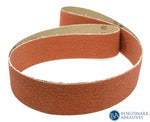
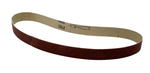
Before we dive into the how-to, it helps to understand how sanding belts are sized. Sanding belts are primarily defined by their belt dimensions, usually width x length.
For example, you might see a belt as 3" x 21". Here, the width of the belt is 3 inches (the measurement across the belt), and the belt length is 21 inches (the total circumference of the belt when formed into a loop).
Understanding these belt dimensions is essential to ensuring size belt compatibility with your sanding tool. Sometimes the actual size of a belt may vary slightly from the labeled size due to manufacturing issues, but accurate measurement helps minimize any significant differences.
Types of Sanding Equipment
When working with power tools for sanding, understanding the various types of sanding equipment and their belt requirements is crucial for effective measurement. Each requires a specific size belt, from large industrial drum sanders used for floor refinishing to portable belt file sanders for intricate work and sturdy stationary belt sanders found in many workshops. Even smaller handheld machines have their unique belt size requirements. The type of sanding equipment you are using will directly affect the correct measurement method.
Essential Tools and Materials for Measurement
Having the right sanding belt starts with using the right measuring tools. For accurate measurement, you will generally need a flexible tape measure. A non-stretchable piece of string can be invaluable for more precise measurements, especially for longer belts.
A clean, flat surface provides a stable area to lay out belts for measurement. Knowing when to use each tool will improve your accuracy. Flexible tape measures are significant for direct circumference measurements, while string is good at following the contours of your sander's rollers.
Using Existing Belts as Reference
In some cases, consider using existing belts as a reference. If you have an old belt that fits correctly, you can measure it to determine your desired size. However, be aware of the limitations of this method. A worn-out existing belt might have stretched over time, giving you an inaccurate measurement. Only use an old belt as a reference if you are confident it was the correct belt size and has not been significantly deformed.
Tip: If your belt has stretched slightly but still fits well, measure and subtract 1/8" to 1/4" from the length to correct for tension loss.
Related Article: How Long Should a Good Sanding Belt Last
Primary Measurement Methods
The String Method (Most Accurate)
When getting the most accurate measurement, the string method is often considered one of the best ways to measure a sanding belt. Here’s how it works:
- Ensure your sander is unplugged and safe to work on.
- Carefully wrap a non-stretchable piece of string snugly around the pulleys or drums where the sanding belt sits.
- Overlap the ends of the string and make a small mark on both strands where they meet.
- Lay the string out on a flat surface and use your tape measure to determine the total length between the two marks. This measurement represents the circumference or length of the sanding belt you need.
The string method provides the most accurate results because, unlike a rigid tape measure, a piece of string can fit perfectly to the contours of your sander's belt path.
Additionally, to be extra sure, you can use the double measurement method. This involves using the string method and carefully measuring the path on your sander to verify your initial measurement. Cross-checking your measurements minimizes the risk of error.
Measuring Different Types of Sanders
The specific design of your sander will directly affect the best way to measure replacement belts.
1. Drum Sanders
Drum sanders, often used for flooring, require careful measurement of the roller's width and total circumference. The drum's diameter also plays a crucial role in determining the overall belt length.
2. Wide Belt Sanders
For wide belt sanders, typically industrial-grade equipment, measuring can involve laying a long strip of flexible material along the belt path to determine the required wide sanding belts. Special considerations for these wide belts include ensuring the measurement accounts for any tensioning mechanisms.
3. Handheld and Portable Sanders
When measuring handheld machines, such as belt sanders used for woodworking or metalworking, focus on the distance between the rollers. These often require small pieces of belting in standard sizes. If you are not sure about the common sizing for these portable units, refer to your tool manual and guide.
Custom and Specialty Belt Considerations
Sometimes, standard-size belt options might not fit your unique machinery. In this case, you'll need to consider custom belts or custom sanding belts.
If your sander has non-standard dimensions or if you have specific material requirements, reaching out directly to custom belt manufacturers is the best approach. Explain them properly and inform them about your sanding machine and its measurements to ensure a proper fit.
Using the Belt Calculator Tool
There are various belt calculator tools available online that can sometimes be helpful, especially if you know the center-to-center distance of your pulleys and their diameters. These calculators use mathematical formulas to determine the required belt length.
However, physical measurement is still recommended for maximum accuracy, especially with complex belt paths.
Sanding Belt Types and Materials Overview
Understanding the different types and materials of abrasive belts is important to obtaining maximum performance and the desired finish. The composition of the abrasive belt determines its cutting aggressiveness, durability, and suitability for different workpieces. The abrasive type and grit level do NOT affect the physical sizing.
Common Abrasive Grains:
-
Aluminum Oxide: Versatile; ideal for wood, metal, and plastic
-
Zirconia Alumina: Self-sharpening; aggressive metal removal
-
Ceramic: Long-lasting; best for heavy-duty and high heat
- Silicon Carbide: Brittle but sharp; best for glass and non-ferrous metals
How Does Material Affect Sizing Considerations?
The abrasive material primarily affects the belt's cutting efficiency and lifespan, but does not directly affect sizing. For example, a belt with a very coarse, aggressive ceramic grain is good for initial stock removal, while a slightly thicker backing might be beneficial for durability. This means the abrasive material itself doesn't change the belt's physical dimensions (length and width). Similarly, the grit affects belt selection but not measurement.
Specialty Belt Types
Beyond the common aluminum oxide belts, various specialty belt types are available for specific applications. For example, buffing belts are designed to achieve a high-gloss polish, while edge belts are precisely crafted for shaping and refining edges. Also, many fabrication shops often have surface conditioning belts, which are excellent for creating a uniform and consistent finish on various materials.
Industrial Applications
Abrasive belts are essential for manufacturing and finishing across various industries. They are essential in metal automotive for grinding and fine-finishing, general woodworking for sanding and shaping, and solid surface applications for performing seamless, polished finishes. Each industry utilizes specific belt sizes, materials, and grits customized to its specific requirements.
Troubleshooting and Common Mistakes
Even with careful measurement, you may experience some common problems with belt measurements. One of the most frequent sizing mistakes is not ensuring the measuring tool is taut but not stretched. Another mistake is misreading the tape measure or the marks on the string. Always double-check your work by measuring at least twice.
If your measurements seem incorrect or the belt you ordered based on dimensions doesn't fit, re-evaluate your technique. Ensure you followed the contours of the pulleys accurately and that your measuring tool wasn't slipping. Follow your sander's manual for recommended belt sizes or charts when in doubt.
Expert Advice for Consistent Belt Sizing
Accurately measuring a sanding belt doesn't have to be a daunting task. By understanding the basics of belt dimensions, using the best ways, like the string method, and considering the specific requirements of your sander, you can avoid the risk of buying the wrong size.
Take your free time and invest it in precise measurement; it will ultimately save you time and money in the long run. For future reference, keep a record of the belt sizes for each sanding machine. With care and attention to detail, you'll always get the right sanding belt, ensuring optimal performance and smooth results for all your projects.
Join Our Newsletter
Sign up to get the latest on sales, new releases and more …Join Our Newsletter
Sign up to get the latest on sales, new releases and more …Shop Categories
Recent Articles
- Resin Fiber Discs: Proper Storage and Handling Techniques
- Sanding Belt Safety Tips: Best Practices for Safe Operation
- 1X30 Sanding Belts for Metalworking & Knife Making
- Why Sanding Belts Stop Cutting Efficiently
- Best Sanding Discs for Automotive Paint Preparation
- How to Change Sandpaper on a Drum Sander
- Sanding Drums for Metal, Finishing, and Deburring
- Sanding Disc Accessories: Backing Pads & Disc Tools
- Random Orbital Sander
- Ways to Remove Rust from Metal
Featured Products
-
 746 Reviews
4-1/2" x 7/8" T29 Zirconia High Density Flap Disc - 10 pack
$25.19
-
 738 Reviews
4-1/2" x .040" x 7/8" t1 premium thin cut-off wheel - 25 pack
$20.88
-
 220 Reviews
4-1/2" x 7/8" T27 Zirconia High Density Flap Disc - 10 pack
$25.19
-
 380 Reviews
6" x .045 x 7/8" T1 Premium Thin Cut-Off Wheel - 25 pack
$27.29
-
 55 Reviews
Nonwoven 6" X 9" Scuff, Clean & Finish Hand Pads
$0.83
-
 123 Reviews
4-1/2" x 1/4" x 7/8" T27 Depressed Center Grinding Wheel - 25 pack
$28.34


Blog Categories
- Abrasives
- Sanding
- Grinding Deburring Finishing
- Safety and Cleanliness
- Metal Working
- Selecting Tools And Equipment
- Wood Working
- Art And Design
- Diy Projects
- Industry 4.0
- Buffing
- Cutting Tools
- Carbide Burrs
- PPE
- Wire Brushes
- Bonded Abrasives
- TIG Electrodes
- Wire Wheels
- Bits
- Diamond Blades
- Power Brushes
- Product Reviews
- Grinding
- Finishing
- Industrial Cleaners