




























Why Sanding Belts Stop Cutting Efficiently

A sanding belt usually stops cutting long before its grains are used up. The real culprit is loading (debris welded into the grain), clogging (resin or dust packing the gaps), or blunting (grains dulled by heat and excess pressure). Most cases trace back to too much pressure, the wrong grit or grain for the material, or a machine running too hot or too fast. Diagnose which one you have and you can often revive the belt with a cleaning stick instead of tossing it.
There are few things more frustrating in the workshop than a fresh sanding belt that loses its bite after only a few minutes of work. You find yourself pushing harder, the motor struggles, and the finish quality drops off a cliff. This loss of cutting efficiency doesn't just waste your time; it burns through your budget as you cycle through quality belts at a low rate.
In most cases, the culprit behind premature failure isn't the belt itself, but rather an issue involving heat, excessive pressure, incorrect grit selection, or a poorly tuned machine. By understanding the science of the sanding process, you can troubleshoot these common problems and drastically improve your sanding operations.
This guide explores why your sanding projects might be hitting a wall and provides actionable best practices to ensure you get optimal performance from your sanding machine tools every time.
What Happens When a Sanding Belt Stops Cutting?
A sanding belt on a belt sander or belt grinder cuts by using thousands of sharp abrasive grains to shear material away. Over time, these grains fracture or dull, a process known as wear and tear. However, a belt often stops cutting long before the grains are fully exhausted.
The Big Three: Loading, Blunting, and Clogging
Three distinct failure modes account for most lost cutting power and the fix is different for each.
-
Loading
Metal particles weld themselves to the abrasive grains under heat and pressure, usually on stainless and other hard alloys. The grain is still sharp underneath, but it can't reach the workpiece. A cleaning stick often recovers it.
-
Clogging
Resin, pitch, or fine dust packs the gaps between grains, common with soft woods and non-ferrous metals like aluminum. Like loading, it's recoverable: clear the debris and the belt cuts again.
-
Blunting
The grains themselves dull. Some blunting is natural wear, but premature blunting comes from the wrong grit or grain for the material, or from heat softening the grain. Once a grain is truly dull, no cleaning stick brings it back, the belt is done.
Glazing is the visible end-state of all three: a slick, shiny surface where heat has fused melted material over the abrasive. If you see burn marks on the workpiece, a slower cut, or the feeling that you're rubbing rather than grinding, you're looking at one of the Big Three.
Common Causes of Poor Sanding Belt Performance
One of the most common mistakes is "forcing" the belt to cut by applying excessive pressure. This generates immense friction heat, which softens the workpiece and dulls the abrasive grains rapidly. Ironically, pressing harder often results in slower material removal because the belt cannot "bite" into the surface. Light, consistent pressure is the key to optimal results and extended belt life.
Using the Wrong Grit Size
If you start a project with the wrong grit size, you are fighting an uphill battle. If the grit is too fine, it will clog immediately on rough surfaces. If you skip steps in your grit sequence (e.g., jumping from 60 to 400 grit), the belt will struggle to remove the deep scratches left by the previous, coarser grit belt. Using the right grit for your sanding material ensures consistent material removal.
Heat Buildup and Material Loading
Materials like stainless steel or gummy woods can load the belt instantly. As debris fills the gaps between grains, the belt loses its ability to clear material. Regularly using a cleaning stick can help lift this debris, but if the heat build-up is too high, the belt may be permanently compromised.
Belt Tracking and Machine Setup Issues
Belt tracking issues are a major cause of failure. If the belt is not centered on the contact wheel, it can rub against the housing or ride off the edge, causing it to fray or snap. Furthermore, a worn contact wheel or excessive machine vibration will prevent the belt from making clean, uniform contact with the workpiece.
How Belt Material and Abrasive Type Affect Cutting Efficiency
The chemistry of the belt is just as important as the mechanics of the machine.
Aluminum Oxide Belts
These are the best sandpapers for wood sanding and general-purpose sanding tasks. They are versatile and cost-effective for soft wood and mild steel.
Ceramic Sanding Belts
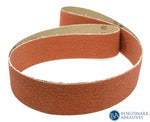
If you are doing heavy grinding, reach for ceramic belts. These industrial sanding belts are designed to stay cool and sharp under high heat, providing optimal performance in demanding sanding operations.
Specialty Abrasives
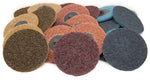
For final finishing, surface conditioning belts or non-woven options help refine surface quality without removing excessive material, providing the smooth finish your project deserves.
Machine Speed, Heat, and Sanding Pressure
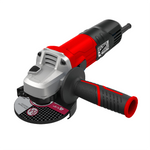
Every machine has an ideal operating window. Running a belt grinder too fast creates friction heat that ruins the abrasive. Conversely, running it too slowly can cause the belt to "grab" and tear. Balancing your speed settings with your sanding pressure is essential for sanding efficiency. Always consult your manual to ensure your machine is optimized for the specific belt you are using.
Best Ways To Extend The Life Of Sanding Belts
Proper Belt Storage
Abrasives are sensitive to their environment. Proper storage in a controlled environment is crucial. High humidity can weaken the backing material and degrade the adhesives, leading to premature belt failure.
Keep Belts Clean and Machines Maintained
Incorporate a rubber cleaning stick into your routine to remove resin and dust. Ensure your dust extraction or dust collection systems are fully functional, as excess dust is a primary cause of loading. Regularly check your belt tracking issues and keep your machine clean.
A cleaning stick pressed against the running belt lifts loaded and clogged debris and can recover much of the belt's cut and can add up to 30–50% more belt life. It can't fix a blunted grain, but it will help with loading and clogging.
Match the Belt to the Application
The right sanding belt should match your grit size, belt width, and material type. Using a belt designed for wood on metal—or vice versa—will lead to immediate disappointment.
Comparing Sanding Belts to Other Abrasive Tools
Sometimes a belt isn't the best tool. Sanding discs and flap discs on a random orbital sander or disc sander might be more appropriate for contours or smaller sanding operations. While belts are excellent for straight-line material removal, surface conditioning with alternative abrasives can often yield a superior finish quality for complex shapes.
Safety Tips for Efficient Sanding Operations
-
Eye Protection: Always wear goggles that are impact-resistant for eye protection.
-
Hearing Protection: Industrial power tools are loud; protect your ears.
-
Routine Inspection: Before starting, check your sanding machines for loose guards or frayed belts.
FAQs
1. Why do sanding belts stop cutting so quickly?
Usually due to excessive pressure, heat, or loading the belt with debris.
2. How do I know if my sanding belt is dull?
Look for discoloration (burning), notice an increase in required pressure, or check for a "glazed" surface.
3. Can a cleaning stick restore performance?
Yes, it removes surface loading, but it cannot sharpen a grain that has been dulled by heat.
4. What grit sanding belt lasts the longest?
Medium-coarse grits often provide the best balance of longevity and stock removal.
5. Are ceramic sanding belts better?
Yes, for hard materials and heavy stock removal, ceramic sanding belts are far more durable than aluminum oxide.
Keep Your Belts Cutting Longer With Smarter Sanding Habits
Sanding efficiency is about synergy. By choosing the right sanding belt, maintaining your machine, and monitoring your pressure and speed, you can maximize your results and minimize your costs. A dull belt is not just a nuisance; it is a sign that your setup needs adjustment. Keep your quality belts clean, store them properly, and listen to your tools.
Ready to improve your sanding job? Explore Benchmark Abrasives for premium sanding belts and surface conditioning products. With the right setup, you'll achieve a perfectly smooth finish every time, keeping your shop productive and your sanding projects moving forward.
Join Our Newsletter
Sign up to get the latest on sales, new releases and more …Join Our Newsletter
Sign up to get the latest on sales, new releases and more …Shop Categories
Recent Articles
- Resin Fiber Discs: Proper Storage and Handling Techniques
- Sanding Belt Safety Tips: Best Practices for Safe Operation
- 1X30 Sanding Belts for Metalworking & Knife Making
- Why Sanding Belts Stop Cutting Efficiently
- Best Sanding Discs for Automotive Paint Preparation
- How to Change Sandpaper on a Drum Sander
- Sanding Drums for Metal, Finishing, and Deburring
- Sanding Disc Accessories: Backing Pads & Disc Tools
- Random Orbital Sander
- Ways to Remove Rust from Metal
Featured Products
-
 746 Reviews
4-1/2" x 7/8" T29 Zirconia High Density Flap Disc - 10 pack
$25.19
-
 738 Reviews
4-1/2" x .040" x 7/8" t1 premium thin cut-off wheel - 25 pack
$20.88
-
 220 Reviews
4-1/2" x 7/8" T27 Zirconia High Density Flap Disc - 10 pack
$25.19
-
 380 Reviews
6" x .045 x 7/8" T1 Premium Thin Cut-Off Wheel - 25 pack
$27.29
-
 55 Reviews
Nonwoven 6" X 9" Scuff, Clean & Finish Hand Pads
$0.83
-
 123 Reviews
4-1/2" x 1/4" x 7/8" T27 Depressed Center Grinding Wheel - 25 pack
$28.34


Blog Categories
- Abrasives
- Sanding
- Grinding Deburring Finishing
- Safety and Cleanliness
- Metal Working
- Selecting Tools And Equipment
- Wood Working
- Art And Design
- Diy Projects
- Industry 4.0
- Buffing
- Cutting Tools
- Carbide Burrs
- PPE
- Wire Brushes
- Bonded Abrasives
- TIG Electrodes
- Wire Wheels
- Bits
- Diamond Blades
- Power Brushes
- Product Reviews
- Grinding
- Finishing
- Industrial Cleaners