



























Diamond Blades: Types, Uses, and How to Choose the Right One

Precision in the construction industry often comes down to the quality of your edge, and nothing provides a cleaner finish on the world’s hardest materials than a high-performance diamond blade. These tools have revolutionized the way fabricators and contractors approach heavy-duty cutting tasks, turning once-impossible jobs into routine shop operations.
What are Diamond Blades?
Diamond blades are industrial cutting tools used for tough materials that would easily destroy standard steel or abrasive wheels. Unlike a traditional saw blade that uses teeth to rip through a workpiece, a diamond cutting blade actually works through a grinding process. The perimeter of the blade is embedded with industrial-grade diamonds that wear away the material at a microscopic level, allowing for incredibly precise cuts in everything from granite to hardened steel.
While many people use the terms diamond saw blades and diamond abrasive blades interchangeably, they represent a versatile category of diamond tools designed for specific roles in construction and fabrication.
In the construction industry, these cutting tools are the gold standard for efficiency because they can handle a variety of materials with minimal heat buildup. By using a steel core as a stable base, diamond blades offer a level of durability and safety that traditional resin-bonded wheels cannot match, making them the primary choice for professionals who demand longevity and speed.
What are Diamond Saw Blades Used For?
The utility of diamond saw blades spans across multiple high-stakes industries, from municipal roadwork to high-end interior tile installation. One of the most common applications is for masonry materials, where the blade must maintain its integrity against abrasive materials like brick and stone. For those working in field environments, a diamond blade for grinder setups is a common sight, offering a portable solution for trimming blocks or adjusting pavers on the fly.
Beyond simple masonry, these concrete cutting wheels excel at cutting reinforced concrete and cured concrete, where the presence of steel rebar would typically stall a lesser tool. In the utility sector, they are used to cut concrete pipe and ductile iron at high speed. The versatility of these blades allows them to transition between metal cutting and stone work, provided the bond is correctly fitted.
Whether you are dealing with natural stone or industrial-grade pipes, having a blade that can handle a variety of materials ensures that your workflow remains uninterrupted.
What are Diamond Blades Made Of
Understanding the composition of a diamond cutting tool is essential for recognizing why some blades outlast others.
A diamond blade consists of two primary components: the steel core and the diamond segments. The steel core is a precision-engineered disk that provides the structural stability needed to spin at several thousand RPM without warping. The diamond segments, which are laser-welded or sintered to the edge of the core, contain a mixture of diamond grit and metal powder.
A blade's performance grade is determined by the quality of the diamond and the hardness of the metal bond that holds the diamond grit in place. As you cut, abrasive materials wear away the metal bond, gradually exposing new, sharper diamond edges. If the bond is too hard, the diamonds won't show through quickly, and the blade will lose its shine; if it's too soft, the diamonds will wear out prematurely.
Standard diamond options are fine for general jobs, but high-performance grade diamonds are essential for heavy-duty industrial applications where heat and friction are constant.
Read More: Choosing the Right Abrasive for Metalworking
Types of Diamond Blades
Choosing the right blade geometry is just as important as the diamond quality itself. The physical design of the rim determines how the blade handles heat and debris.
Continuous Rim Blades
The continuous rim diamond blade is designed for applications where the quality of the finish is the highest priority. Because there are no gaps or segments in the rim, it provides incredibly precise cuts without chipping the edges of the material. This makes it the ideal tile blade for ceramic tile and porcelain. These blades are almost always used with water to keep the rim cool and to wash away the fine dust that can clog the cutting surface.
Turbo Blades
A turbo blade offers a balanced middle ground between cutting speed and finish quality. The turbo rim features a serrated or "waved" design that pushes air across the blade to aid in cooling while also helping to eject dust. This allows for faster cutting than a continuous rim while still maintaining a relatively smooth edge. They are highly effective for cutting natural stone and masonry, where you need to move quickly but still care about the aesthetic of the cut.
Segmented Blades
Segmented blades are the most aggressive options in the category. Often referred to as concrete diamond blades, they feature deep gullets or slots between the diamond segments. These gaps allow for maximum airflow and rapid debris removal, which is essential when cutting reinforced concrete, cured concrete, or asphalt. While they provide a rougher finish, they are the best asphalt blades for heavy construction where speed is a priority.
Specialty Blades
Niche applications require specialized designs that go beyond standard cutting. A tuck point blade is extra thick and used for removing mortar between bricks, while chaser blades are used for "chasing" cracks in concrete before repair. For general masonry, a masonry diamond blade or a general-purpose diamond blade offers a versatile solution for contractors who handle a mix of block, brick, and stone daily.
Compatible Tools with Diamond Blades
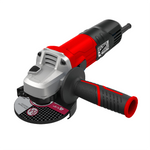
To achieve the best results, you must match the blade to the appropriate power tool. The most common pairing is the diamond blade for grinder applications, where angle grinders provide the portability needed for detail work and on-site adjustments.
For larger jobs, cut-off saws and power cutters are the preferred choice for cutting through thick slabs or pipes. In road construction, a walk-behind saw, or a dedicated concrete saw, is used to provide the torque and weight necessary for deep, straight trenches. Even in woodworking shops, specialized circular saw blades with diamond tips are becoming more common for cutting fiber cement siding and other abrasive composites. Regardless of the tool, ensuring the arbor and RPM match is the first step toward a successful cut.
Key Factors When Choosing a Diamond Blade
Selecting a blade involves more than just picking a diameter; you must consider the mechanical specs of the tool and the nature of the project.
Blade Diameter and Arbor Size
The blade diameter must match the guard size of your tool. Using a larger blade than the tool is rated for is a significant safety risk. Similarly, the arbor size must fit the spindle of your tool perfectly to avoid vibration. Many blades come with bushings to adapt to different arbor sizes, but a direct fit is always preferred for high-speed work.
Material Type
It's important to match the cutting blade to the material you're working with. Concrete diamond blades are designed with a bond that can withstand the friction of a masonry blade. However, if you use a concrete blade for metal cutting, you'll find that the bond wears out much more slowly, causing the blade to overheat. For natural stone, look for blades specifically designed to handle the density of granite or marble.
Wet vs Dry Cutting
Determine if your project allows for wet cutting or requires dry cutting. Wet cutting keeps the blade cool and eliminates dust, which is better for the health of the operator and the longevity of the blade. However, if you are using a hand-held power cutter in an area without a water source, you must ensure your blade is specifically rated for dry use to prevent the steel core from tensioning and warping.
Blade Quality and Performance
While a general-purpose blade is cost-effective for occasional use, a premium diamond blade is a better investment for professional crews. The higher grade diamond concentration in premium blades allows for a faster cut and a much lower cost-per-cut over the tool’s life.
Diamond Blades vs Other Diamond Tools
The world of diamond tools extends far beyond flat saw blades. For surface preparation, a diamond cup wheel is used to grind down high spots on concrete floors or to remove coatings. For deep openings, core bits are used to drill perfect holes for plumbing and electrical lines. In specialized demolition, diamond wire and diamond chainsaws allow for cutting through massive structures that a standard circular blade could never penetrate. Each of these tools uses the same principle of diamond-embedded segments but applies them in different geometries to solve unique engineering challenges.
Tool Compatibility and Safe RPM Ratings
Safety in diamond cutting is inextricably linked to technical specs. Every blade has a maximum RPM rating that should never be exceeded. While you might compare a wire brush rpm rating or the max rpm for wire wheels to understand tool limits, diamond blades require even stricter adherence because the centrifugal force at high speeds is immense.
If you mount a large blade diameter onto a high-speed power cutter that exceeds the blade's rating, the steel core can shatter, leading to catastrophic tool failure. Always check the stamped information on the blade and ensure it is compatible with the max speed of your angle grinder or concrete saw.
Safety Warning: Never remove the safety guard from your tool to accommodate a larger diamond blade. The guard is your primary defense in the unlikely event of a blade fracture or material kickback.
Related Blog: PPE Checklist for Fabrication Shops
Shop Diamond Blades
Finding the right supplier is just as important as finding the right blade. When you browse for a best seller or look through top sellers in the industry, you want a partner that offers both variety and technical support. Many professionals look for a service center that understands the nuances of the construction industry and can provide guidance on the best unit price for bulk orders.
With options for free shipping and limited-time offers, upgrading your inventory has never been easier. Whether you are paying by credit card for a single replacement or setting up a corporate account through customer service, ensuring you have a reliable source for high-quality diamond blades is key to maintaining your project deadlines.
FAQs
What is the best diamond blade for concrete?
For most concrete tasks, a segmented rim is the best choice. These concrete diamond blades provide the necessary cooling and debris clearance required for reinforced concrete and cured concrete.
Can diamond blades cut metal?
Yes, you should use a blade specifically designed for cutting metal. These blades use vacuum-brazed diamond technology, allowing the diamond edges to cut steel and ductile iron without overheating or glazing.
What’s the difference between turbo and continuous rim blades?
A turbo rim has a serrated edge for faster cutting and better cooling, making it great for natural stone. A continuous rim is solid and smooth, designed specifically for precise cuts in delicate ceramic tile.
How do I choose the right blade for a grinder?
First, identify your blade diameter (usually 4.5 or 5 inches for small grinders). Then, select a bond that matches your material—such as a masonry blade for brick or a tile blade for backsplash work.
Can I use diamond blades for dry cutting?
Many diamond blades are rated for dry cutting, but they require frequent "cooling passes" where you let the blade spin freely in the air to dissipate heat. Continuous rim blades are the exception and almost always require water.
Cut Smarter, Faster, and Stronger with the Right Diamond Blade
The right diamond blades turn a hard day's work into an efficient, professional job. By understanding the relationship between the steel core, diamond segments, and the material being cut, you can significantly reduce your tool costs and increase your project's profits. Whether you're cutting reinforced concrete for a bridge deck or natural stone for a custom kitchen, the accuracy these tools deliver is unmatched.
Ready to see the difference that high-quality diamond tools can make? Shop Benchmark Abrasives for a premium diamond blade that offers a competitive unit price and the durability that professionals trust.
Join Our Newsletter
Sign up to get the latest on sales, new releases and more …Join Our Newsletter
Sign up to get the latest on sales, new releases and more …Shop Categories
Recent Articles
- Tools Collection for Fabrication and Abrasive Workflows
- How to Choose the Right Diamond Blade
- Flap Disc vs Fiber Disc: Key Differences & Uses
- Best Surface Conditioning Product for Weld Removal
- Fiber Disc Backing Pads for Angle Grinders: The Ultimate Guide
- 4.5 in Corded Angle Grinder: Complete Buying Guide
- Diamond Blades: Types, Uses, and How to Choose the Right One
- Best Abrasive for Stainless Steel: Avoid Heat Tint and Contamination
- Wire Wheel vs Flap Disc: Best for Rust, Paint, and Welds
- The Best Abrasives for Aluminum: How to Cut, Grind, and Finish without Loading Up
Featured Products
-
 746 Reviews
4-1/2" x 7/8" T29 Zirconia High Density Flap Disc - 10 pack
$25.19
-
 738 Reviews
4-1/2" x .040 x 7/8" T1 Premium Thin Cut-off Wheel - 25 pack
$20.88
-
 220 Reviews
4-1/2" x 7/8" T27 Zirconia High Density Flap Disc - 10 pack
$25.19
-
 380 Reviews
6" x .045 x 7/8" T1 Premium Thin Cut-Off Wheel - 25 pack
$27.29
-
 123 Reviews
4-1/2" x 1/4" x 7/8" T27 Depressed Center Grinding Wheel - 25 pack
$28.34
-
 55 Reviews
Nonwoven 6" x 9" Scuff, Clean & Finish Hand Pads
$0.83


Blog Categories
- Abrasives
- Sanding
- Grinding Deburring Finishing
- Safety and Cleanliness
- Metal Working
- Selecting Tools And Equipment
- Wood Working
- Art And Design
- Diy Projects
- Industry 4.0
- Buffing
- Cutting Tools
- Carbide Burrs
- PPE
- Wire Brushes
- Bonded Abrasives
- TIG Electrodes
- Wire Wheels
- Bits
- Diamond Blades
- Power Brushes
- Product Reviews
- Grinding
- Finishing
- Industrial Cleaners