


























Fiber Disc Backing Pads for Angle Grinders: The Ultimate Guide

When most people think about metalwork, they focus on the grinder or the abrasive disc itself. However, there is a "hidden performance driver" that often goes overlooked: the backing pad. Choosing the right fiber disc backing pads is what separates a frustrating, vibrating mess from a smooth, professional finish. Whether you are tackling a massive industrial fabrication project or a weekend home improvement task, the backing pad provides the structural foundation for your resin fiber disc.
A high-quality backing pad ensures that every ounce of power from your power tools is transferred efficiently to the workpiece. Without it, your abrasive disc will wear unevenly, overheat, and potentially fail, posing a significant safety risk. This guide will walk you through everything you need to know to choose, use, and maintain backing pads for maximum efficiency.
Professional Fiber Disc Backing Pads for Maximum Performance
In professional environments, from shipyards to custom fabrication shops, efficiency is the name of the game. Professional-grade backing pads are designed to handle the intense heat and pressure generated during heavy stock removal and grinding. When you are working on stainless steel or heavy structural beams, you need a pad that doesn't flex excessively or melt under the strain of a high-performance abrasive disc.
By providing a rigid support system, these pads allow the grinding discs to bite into the metal properly. This leads to faster material removal and a more consistent finish. If you’ve ever noticed "chatter marks" or blue heat-discoloration on your metal, the culprit is often a mismatched or worn-out backing pad.
What are Fiber Disc Backing Pads?
At its simplest, a fiber disc backing pad (or backup pad) is a circular plate that mounts onto the spindle of an angle grinder. It acts as the interface between the tool and the resin fiber disc.
The Anatomy of the Setup-
- The Grinder Spindle: The power source.
- The Backing Plate: Provides the rigidity.
- The Disc Pad: The surface that touches the abrasive.
- The Locking Nut: Secures the disc and pad to the spindle.
These pads are usually manufactured from heavy-duty materials like reinforced rubber, fiberglass, or high-impact composites. Some even feature fiber board construction for specific light-duty applications. Essentially, sanding disc backing pads are designed to be durable enough to withstand 10,000+ RPM while being flexible enough to follow the contours of your project.
Key Product Features That Impact Performance
Not all sanding pad options are created equal. Several engineering features determine how well the pad performs and how long your discs will last.
Cooling and Airflow Design
Heat is the primary enemy of any abrasive. Excessive heat causes the resin in the disc to soften, leading to "loading" (where metal particles clog the grit). High-performance pads often feature air holes or spiral ribs molded into the surface. These ribs form channels that draw air flow between the pad and the disc as it spins. This active cooling can significantly extend the disc's life and prevent the workpiece from warping.
Material Strength and Durability
The construction material determines the pads’ exclusive rubber feel and their extra strength. A cheap plastic pad might shatter if the grinder kicks back, whereas a professional composite pad is designed to absorb shock. High-quality construction ensures that the pad remains perfectly flat over time, preventing uneven disc life.
Contact and Control
The surface of the pad dictates how many contact points the abrasive has with the metal. A pad with a ribbed or textured surface allows for more aggressive cutting, while a smooth, flat pad provides better control for fine blending.
Types of Fiber Disc Backing Pads
Selecting the right sanding pad depends entirely on the job at hand. Pads are generally categorized by their hardness:
- Hard/Rigid Pads: These are usually ribbed or made of high-density materials. They are the best choice for aggressive stock removal, leveling heavy welds, and working on stainless steel. They provide the maximum "bite."
- Medium Pads: The "all-rounder." These provide a balance of flexibility and support, making them ideal for general grinding and blending.
- Soft/Flexible Pads: These are usually smooth and made of softer rubber. They are designed for finishing and contour work, allowing the fibre disc to follow curves without gouging the material.
How to Choose the Right Fiber Disc Backing Pad
Choosing the right backing pad requires matching the specs of your tool to the needs of the material.
Arbor Size: You must match the arbor hole of the pad to the spindle of your grinder. The most common arbor size for 4.5" and 5" grinders is 5/8"-11, but always double-check your tool manual.
Max RPM: Never use a pad rated for a lower speed than your grinder's maximum speed. If your grinder runs at 11,000 RPM, your pad must be rated for at least that much. Exceeding the max RPM can cause the pad to disintegrate.
Diameter: Ensure the pad diameter matches your discs. Using a 4.5" disc on a 5" pad (or vice versa) creates an exposed edge that is extremely dangerous.
Fiber Disc Backing Pads vs. Other Sanding Solutions
Why choose a fibre disc and pad over other options like flap discs?
- Vs. Flap Discs: Flap discs are easier for beginners because they are more forgiving. However, a resin fiber disc on a rigid backing pad will remove material much faster and is generally more cost-effective for heavy-duty industrial work.
- Vs. Sanding Discs: Standard sanding discs (like PSA or Hook & Loop) are good for light-duty wood or auto-body work, while fiber discs are made for metal grinding.
- Vs. Surface Conditioning Discs: While surface conditioning discs are great for cleaning and finishing, they cannot perform the heavy stock removal that a fiber disc on a hard pad can.
Best Applications for Fiber Disc Backing Pads
- Metal Fabrication: Shaping structural steel and heavy plates.
- Weld Blending: Smoothing out "bead" welds until they are flush with the base metal.
- Rust Removal: Stripping deep-pitted corrosion from old frames or tanks.
- Stainless Steel Work: When paired with a cooling-ribbed pad, fiber discs are the best way to grind stainless steel without overheating it.
Compatibility with Tools and Equipment
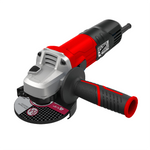
While power tools like the angle grinder are the primary home for these pads, it is important to know where they don't belong. You should never attempt to mount a fiber disc backing pad onto a random orbital sander. The high-torque, high-speed nature of fiber disc grinding requires the robust motor and gearing of an angle grinder or a dedicated vertical sander. Unlike many hand tools, the angle grinder setup is built for high lateral pressure.
Product Details That Matter When Shopping
When you are browsing a product description, pay close attention to the technical specs to ensure compatibility:
- Part Numbers/Item Number: Essential for reordering the same hardness once you find a pad you like.
- Pack Size: Often, buying in bulk is better for shops that go through pads quickly.
- Item Weight: A heavier pad often indicates a higher metal-to-plastic ratio in the hub, which usually means better durability.
- Product Details: Look for the specific "shore hardness" of the rubber if available.
Common Mistakes to Avoid
-
Ignoring RPM Ratings: Never exceed the maximum speed printed on the pad. It is a safety limit, not a suggestion.
-
Mismatched Arbor Size: Forcing a pad with the wrong arbor size onto a spindle will cause it to run off-center, leading to dangerous vibrations.
-
Overheating: If you see smoke or the pad begins to deform, you are applying too much pressure or using a pad without sufficient air flow channels.
-
Using Worn Pads: If the edges of your backing pad are chewed up, replace it immediately. A damaged pad cannot support the disc properly, leading to disc breakage.
Safety Warning: Always wear a full face shield, gloves, and ear protection when using fiber discs. These tools generate a massive amount of sparks and metal debris at very high speeds.
FAQs
1. What are fiber disc backing pads used for?
They provide the rigid or semi-flexible foundation required for resin fiber disc applications, such as heavy grinding, weld leveling, and surface prep.
2. How do I choose the right backing pad?
Select a pad that matches your tool's arbor size, fits the diameter of your sanding discs, and has a hardness level (hard, medium, or soft) appropriate for your specific task.
3. Can I use the same backing pad for all discs?
As long as the diameter and arbor match, yes—but remember that a hard pad is better for grinding, while a soft pad is better for finishing.
4. Do backing pads affect disc life?
Absolutely. Pads with cooling ribs and proper air flow prevent heat buildup, which is the #1 cause of premature disc failure.
Why the Right Backing Pad Turns Good Grinding Into Great Results
In the end, your results are only as good as the foundation you build them on. Fiber disc backing pads are the bridge between your skill and the metal. By selecting a pad with proper cooling, the correct hardness, and a high speed rating, you ensure a safer workspace and a much more professional finish.
- Backing pads directly impact both performance and operator safety.
- Proper airflow designs like spiral ribs significantly extend the life of your abrasives.
- Matching the pad density to your application is the key to a smooth finish.
Ready to upgrade your shop? Shop our collection of premium fiber disc backing pads designed for maximum durability. Don't forget to explore our compatible resin fiber disc and sanding disc accessories options to complete your setup.
Join Our Newsletter
Sign up to get the latest on sales, new releases and more …Join Our Newsletter
Sign up to get the latest on sales, new releases and more …Shop Categories
Recent Articles
- Flap Disc vs Fiber Disc: Key Differences & Uses
- Best Surface Conditioning Product for Weld Removal
- Fiber Disc Backing Pads for Angle Grinders: The Ultimate Guide
- 4.5 in Corded Angle Grinder: Complete Buying Guide
- Diamond Blades: Types, Uses, and How to Choose the Right One
- Best Abrasive for Stainless Steel: Avoid Heat Tint and Contamination
- Wire Wheel vs Flap Disc: Best for Rust, Paint, and Welds
- The Best Abrasives for Aluminum: How to Cut, Grind, and Finish without Loading Up
- Drum Sanders and Linear Finishing Tools for Precision Surface Finishing
- How to Pick the Right RPM, Grit, and Pressure for Better Grinding Results
Featured Products
-
 746 Reviews
4-1/2" x 7/8" T29 Zirconia High Density Flap Disc - 10 pack
$25.19
-
 734 Reviews
4-1/2" x .040 x 7/8" T1 Premium Thin Cut-off Wheel - 25 pack
$20.88
-
 220 Reviews
4-1/2" x 7/8" T27 Zirconia High Density Flap Disc - 10 pack
$25.19
-
 380 Reviews
6" x .045 x 7/8" T1 Premium Thin Cut-Off Wheel - 25 pack
$27.29
-
 123 Reviews
4-1/2" x 1/4" x 7/8" T27 Depressed Center Grinding Wheel - 25 pack
$28.34
-
 55 Reviews
Nonwoven 6" x 9" Scuff, Clean & Finish Hand Pads
$0.83


Blog Categories
- Abrasives
- Sanding
- Grinding Deburring Finishing
- Safety and Cleanliness
- Metal Working
- Selecting Tools And Equipment
- Wood Working
- Art And Design
- Diy Projects
- Industry 4.0
- Buffing
- Cutting Tools
- Carbide Burrs
- PPE
- Wire Brushes
- Bonded Abrasives
- TIG Electrodes
- Wire Wheels
- Bits
- Diamond Blades
- Power Brushes
- Product Reviews
- Grinding
- Finishing
- Industrial Cleaners