


























The Best Abrasives for Aluminum: How to Cut, Grind, and Finish without Loading Up

Aluminum is a notoriously temperamental metal that can frustrate even the most experienced fabricator if the wrong tools are used. To achieve a professional result, you must choose abrasives that are specifically engineered to handle the unique thermal and physical properties of this soft, non-ferrous material.
What are The Top Abrasives For Working With Aluminum?
The search for the best abrasives for aluminum begins with an understanding of how this metal differs from steel or iron. Aluminum and its various aluminum alloys are considered soft metals, which means they have a lower melting point and a gummy consistency when subjected to the heat of grinding. This leads to a phenomenon known as loading, where the metal melts and fills the gaps between the abrasive grains, effectively turning your grinding wheel into a smooth, useless disc.
Choosing the right abrasives is not just about speed; it is about performance and longevity. Specialized solutions for non-ferrous metals often feature top-coatings or open-coat structures that prevent the metal from adhering to the tool. In many aluminum applications, the best abrasives are those that maintain a sharp cutting edge while actively resisting the buildup of waste material.
By selecting high-quality products designed for these unique properties, you ensure that your projects move forward efficiently without the constant need to change out clogged tools.
Why Aluminum Requires Specialized Abrasives
The primary challenge when working with an aluminum surface is managing heat generation. Unlike ferrous metals, which can dissipate heat through the sparks they produce, aluminum absorbs thermal energy quickly. This localized heat buildup causes the metal to soften to a point where it begins to smear.
If you use standard abrasives meant for hard metals, the tool will rub against the surface rather than cutting it, which only increases the temperature further. When the base metal reaches this softened state, it clogs the pores of the abrasive material.
This is particularly problematic with soft materials because once a wheel is loaded, it no longer has the "teeth" required to bite into the metal. This results in poor cut rates and can even lead to dangerous situations where the tool vibrates excessively or kicks back. Using specialized tools ensures that the heat remains under control and the cutting action remains crisp.
Types of Abrasives for Aluminum (What Works Best)
Ceramic and Zirconia Abrasives
For those focused on heavy material removal and high-performance fabrication, ceramic alumina and zirconia alumina are the premier choices. These zirconia grains are chemically engineered to be extremely hard and self-sharpening. As you grind, the grains micro-fracture, constantly revealing new, sharp points that can slice through the metal.
Ceramic abrasives are particularly valued for their ability to run cooler than other grains, which is a massive advantage when trying to avoid the melting point of aluminum. These are the go-to options for aggressive cutting where durability is a priority.
Silicon Carbide Abrasives
When your project moves into the realm of surface finishing or requires smoother finishes, silicon carbide abrasives often take center stage. Silicon carbide is a very sharp and hard grain that excels at creating a finer finish on softer metals. Because it cuts so cleanly, it generates less friction than a duller grain might. It is an excellent choice for final prep work where a consistent scratch pattern is required before a coating or polish is applied.
Aluminum Oxide Abrasives
Aluminum oxide abrasives are the most common and offer a lower cost for general-purpose work. While they are a great choice for many shop tasks, they are generally less ideal for aluminum unless they are specifically treated with a stearate coating. Standard aluminum oxide will load up almost instantly on non-ferrous metals. If you are working on a budget, ensure you are buying "stearated" or "lubricated" versions of these discs to help them resist clogging during the grinding process.
Open-Coat Abrasives and Anti-Loading Design
One of the most effective ways to combat loading is to use an open-coat abrasive. In this design, the abrasive grains are spaced out across the backing materials, covering only about 50% to 70% of the surface. This leaves open channels for the aluminum chips to escape. The resin bond holding the grains is also often treated with anti-clogging agents. This specialized architecture significantly reduces wear and tear and ensures the tool remains effective throughout its entire lifespan.
Best Abrasive Tools for Aluminum Projects
The best abrasive tools for working with aluminum are:
1. Cut-off Wheels and Saw Blades
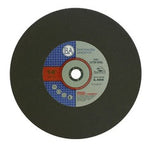
Cutting aluminum cleanly requires cut-off wheels that are designed to minimize friction. These wheels are often thinner than standard discs to reduce the surface area in contact with the metal. Saw blades for aluminum feature a specific tooth geometry, often a triple-chip grind, and are coated to prevent the metal from welding to the cutting edges. These features are critical for maintaining cutting efficiency and preventing the jagged, melted edges often seen with improper tools.
2. Grinding Discs and Abrasive Wheels
For heavy grinding and shaping, you need a dedicated aluminum grinding disc. These are distinct from steel discs because they are bonded with specific materials that prevent the metal from sticking. Whether you are using a standard abrasive wheel or a specialized depressed center disc, the goal is rough grinding that removes stock quickly without the tool becoming "glazed" with melted aluminum.
3. Sanding Discs, Flap Wheels, and Belt Sanders
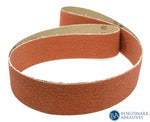
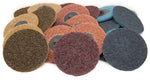
Blending a weld or smoothing out a large flat surface is best handled with sanding discs or a belt sander. Flap wheels are particularly useful because they provide a cushioned touch that helps prevent over-grinding. For finishing, resin fiber discs and surface conditioning pads are excellent for removing surface imperfections. These tools allow you to transition from heavy removal to a refined surface without changing tools excessively.
4. Wire Brushes and Hand Finishing Tools
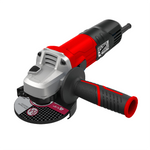
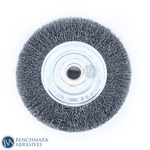
A crucial rule of aluminum fabrication is to only use a stainless steel wire brush. Using a carbon steel brush will embed small particles of steel into the aluminum, which will eventually lead to rust and corrosion on the aluminum surface. Hand pads are also useful for finishing operations where you need to reach complex shapes or perform light cleaning. These tools are commonly used with an angle grinder, die grinders, or a bench grinder, depending on the scale of the aluminum projects.
Safety Warning: Aluminum dust is highly flammable and, in certain concentrations, can be explosive. Always use a dedicated dust extraction system when performing heavy grinding and never mix aluminum dust with sparks from steel grinding.
Choosing the Right Grit Size for Aluminum
The grit size you select will dictate the speed of your work and the quality of the finish. Coarse grit (typically 36 to 60) is used for the initial stages of a project, such as removing large weld beads or shaping raw aluminum parts. These lower grit numbers provide the most aggressive cut but leave a heavy scratch pattern that must be refined. As you progress, you will move to finer grits (80 to 220) to smooth out the surface and for the final finish.
Achieving a consistent finish requires a patient progression through the grit. If you skip too many steps, you will struggle to remove the deep scratches left by the coarse grit, which can lead to excessive heat as you try to force a fine disc to do too much work.
Best Practices for Grinding and Finishing Aluminum
To get the best results, you must adapt your technique to the metal. The most important of the best practices is to use light pressure. Let the speed of the tool do the cutting. If you push too hard, you generate friction that leads to loading. Keeping the metal at low temperatures is the only way to prevent the gummy smearing that ruins a finish.
Another essential tip is to keep your tools clean. If you see the disc beginning to load, stop and use a cleaning stick or replace the disc. Contamination is also a major concern; keep your aluminum-specific tools in a separate area to avoid contact with carbon steel. Cross-contamination can lead to galvanic corrosion, which can compromise the integrity of your aluminum projects over time. By optimizing your surface contact and maintaining a steady cut rate, you will see a massive improvement in your grinding processes.
Applications: Where These Abrasives Perform Best
Specialized aluminum abrasives are a staple in high-performance sectors like the automotive and aerospace industries, where precision is mandatory. In these fields, grinding tasks must be completed without introducing excessive heat that could alter the temper of the aluminum alloys. For general fabrication and welding, having the right abrasives ensures that metal surfaces are clean and porous enough for a high-quality weld.
Whether you are working on large flat surfaces like a trailer bed or complex shapes for a custom manifold, the right tools make the difference between a project that looks professional and one that looks amateurish.
Common Errors to Avoid While Grinding Aluminum
The biggest mistake is simply using the wrong abrasive, such as a standard grinding wheel designed for ferrous metals. This leads to immediate heat buildup and an unusable tool. Another common error is using high pressure to speed up the work. This only increases the wear and tear on the tool and can cause the grinding surface to become dangerously uneven. Lastly, ignoring heat control is a recipe for failure; once the aluminum starts to melt into the abrasive, the tool’s efficiency drops to zero.
Choosing High-Quality Abrasives for Better Results
When it comes to aluminum, high-performance tools are worth the investment. A cheap disc that loads up in five minutes is more expensive in the long run than a premium disc that lasts for an hour of continuous use. For best results, choose abrasives that offer consistent quality and are rated for high-speed use on die grinders or angle grinders. The consistency of the abrasive grain ensures that you don't get unexpected deep scratches or tool failure.
Related Tools and Accessories for Aluminum Finishing
In addition to your primary abrasives, consider using cutting tools and lubricants designed for non-ferrous work. Abrasive discs can be enhanced with the use of a grinding wax or stick lubricant applied directly to the tool. This extra layer of protection is great for surface preparation and can help standard tools perform better on aluminum by providing a temporary barrier against loading.
Cut Cleaner, Grind Smarter, and Finish Stronger with the Right Abrasives
Mastering aluminum is all about heat management and choosing the best abrasives for aluminum. By using high-quality ceramic or zirconia grains and following a proper grit progression, you can move from raw stock to a smooth finish or even a polished finish with ease. The right tools not only improve your efficiency but also ensure the safety and longevity of your equipment.
Ready to take your projects to the next level? Shop Benchmark Abrasives for a complete line of high-performance products that ensure you get the best results on every aluminum surface you touch.
Join Our Newsletter
Sign up to get the latest on sales, new releases and more …Join Our Newsletter
Sign up to get the latest on sales, new releases and more …Shop Categories
Recent Articles
- Flap Disc vs Fiber Disc: Key Differences & Uses
- Best Surface Conditioning Product for Weld Removal
- Fiber Disc Backing Pads for Angle Grinders: The Ultimate Guide
- 4.5 in Corded Angle Grinder: Complete Buying Guide
- Diamond Blades: Types, Uses, and How to Choose the Right One
- Best Abrasive for Stainless Steel: Avoid Heat Tint and Contamination
- Wire Wheel vs Flap Disc: Best for Rust, Paint, and Welds
- The Best Abrasives for Aluminum: How to Cut, Grind, and Finish without Loading Up
- Drum Sanders and Linear Finishing Tools for Precision Surface Finishing
- How to Pick the Right RPM, Grit, and Pressure for Better Grinding Results
Featured Products
-
 746 Reviews
4-1/2" x 7/8" T29 Zirconia High Density Flap Disc - 10 pack
$25.19
-
 734 Reviews
4-1/2" x .040 x 7/8" T1 Premium Thin Cut-off Wheel - 25 pack
$20.88
-
 220 Reviews
4-1/2" x 7/8" T27 Zirconia High Density Flap Disc - 10 pack
$25.19
-
 380 Reviews
6" x .045 x 7/8" T1 Premium Thin Cut-Off Wheel - 25 pack
$27.29
-
 123 Reviews
4-1/2" x 1/4" x 7/8" T27 Depressed Center Grinding Wheel - 25 pack
$28.34
-
 55 Reviews
Nonwoven 6" x 9" Scuff, Clean & Finish Hand Pads
$0.83


Blog Categories
- Abrasives
- Sanding
- Grinding Deburring Finishing
- Safety and Cleanliness
- Metal Working
- Selecting Tools And Equipment
- Wood Working
- Art And Design
- Diy Projects
- Industry 4.0
- Buffing
- Cutting Tools
- Carbide Burrs
- PPE
- Wire Brushes
- Bonded Abrasives
- TIG Electrodes
- Wire Wheels
- Bits
- Diamond Blades
- Power Brushes
- Product Reviews
- Grinding
- Finishing
- Industrial Cleaners