


























Wire Wheel vs Flap Disc: Best for Rust, Paint, and Welds

Choosing between a wire wheel and a flap disc can greatly affect the efficiency of your surface cleaning or lead to unintentional damage to your workpiece. While both tools attach to standard workshop equipment, they interact with metal in fundamentally different ways, which dictate their specific applications.
Wire Wheel vs Flap Disc: What’s the Difference?
The debate of wire wheel vs flap disc centers on one primary question: do you want to clean the surface or change its shape? Wire wheels are essentially high-speed power brushes designed for surface decontamination without altering the metal's dimensions. In contrast, a flap disc or flap wheel is an abrasive disc made of overlapping sandpaper "flaps" that combine metal removal with finishing capabilities.
Selecting the right tool depends on your specific goal, whether that is rust removal, paint removal, or weld prep. If you need to preserve the base material while stripping away grime, the wire wheel is usually the superior choice. However, if you need to smooth out a rough surface or blend a heavy bead, the abrasive grains of a flap disc are necessary to get the job done.
What is a Wire Wheel? (And When to Use It)
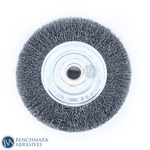
A wire wheel is a specialized power brush composed of hundreds of individual wire brushes bundled together. Unlike abrasive products that grind away material, a wire wheel impacts the surface to "knock off" contaminants. There are several configurations to consider, such as a cup brush for large surface areas or a wire cup with a knotted design for more aggressive cleaning.
The primary advantage of wire wheels is that they are excellent at cleaning surface rust, mill scale, and old coatings from weld seams without thinning the metal. Because the wires are flexible, they can reach into pits and uneven surface areas that a rigid grinding disc would skip over.
Applications for Wire Wheels
- Rust removal: Ideal for removing surface rust while keeping the structural integrity of the part intact.
- Paint removal: Strips coatings from metal without creating the deep scratches associated with sanding.
- Cleaning weld seams: Clears away slag and oxidation before and after welding projects to ensure a clean bond and a professional look.
- Finishing work: Provides a uniform, textured look on metal that is ready for primer or clear coat.
What is a Flap Disc? (And Why It’s So Versatile)
A flap disc consists of layered abrasive material arranged like the petals of a flower. This design allows the flap wheel to stay cooler and last longer than traditional grinding discs. Depending on the abrasive grains used—such as aluminum oxide for general use, zirconia alumina for stainless steel, or ceramic alumina for high-performance fabrication—a flap disc can handle everything from heavy stock removal to delicate finishing work.
Best Applications for Flap Discs
- Weld prep: Removing mill scale and beveling edges before the welding process begins.
- Stock removal: Heavy material removal quickly when a surface is uneven or has deep imperfections.
- Surface smoothing: Providing a smooth finish on a flat surface after grinding down a weld bead.
- Material removal: Shaping metal components to fit specific tolerances during fabrication.
Wire Wheel vs Flap Disc for Rust Removal
When it comes to rust removal, the severity of the corrosion dictates the tool. Wire wheels are the gold standard for surface rust because they strip the oxidation while leaving the base material untouched. However, if you are dealing with heavy, scaly corrosion that has already "pitted" the metal, a flap disc may be required to grind down into the clean metal and provide a fresh surface for repair.
Wire Wheel vs Flap Disc for Paint Removal
For paint removal, wire brushes are often more efficient than abrasive discs. They generate less heat than a flap wheel, which prevents the paint from melting and clogging the tool. This allows you to clear large surface areas quickly. A flap disc should only be used for paint removal if you also intend to smooth or level the metal underneath the paint.
Wire Wheel vs Flap Disc for Weld Prep and Cleanup
In welding projects, these tools are often used in tandem. Use a wire wheel for cleaning weld seams to remove slag and soot, as it won't thin the weld itself. For weld prep, use a flap disc to bevel edges or a grinding disc for heavy shaping. If you need to make a weld disappear into a corner, the flap disc is the best abrasive product for blending the bead into a smooth finish.
Which Tool Works Best with Your Power Tools?
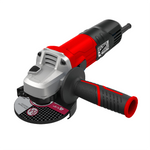
Both of these accessories are primarily designed for use with an angle grinder. When selecting your tool, ensure the arbor hole matches your grinder's spindle and that the rated RPM of the accessory exceeds the speed of your power tools. While a bench grinder is often used with stationary wire wheels for smaller parts, the portability of the angle grinder makes it the most common choice for large-scale fabrication. You may also encounter cutting wheels or a cutting disc on the same job site, but these are strictly for separation, not surface work.
Surface Finish Comparison: Cleaning vs Grinding
The resulting surface finish is the biggest differentiator between these two.
-
Wire Wheels: Leave a clean but slightly "peened" or textured finish. This is excellent for mechanical bonding with paint or powder coating.
-
Flap Discs: Produce a refined, smooth finish. By progressing through different grit sizes of the abrasive disc, you can move from heavy metal removal to surface finishing (mirror-smooth).
Safety Tips When Using Wire Wheels and Flap Discs
Working with high-speed power tools requires strict adherence to safety protocols. Wire wheels, in particular, are known for "throwing" small pieces of wire as they wear down.
-
Eye Protection: Always wear safety glasses and a full face shield.
-
Respiratory Protection: Use a dust mask or respirator to avoid inhaling fine metal particles.
-
Hearing Protection: Grinding and brushing are loud operations that require earplugs or muffs.
-
Clothing: Wear long sleeves and leather gloves to protect against sparks and stray wires.
Wire Wheel vs Flap Disc: Pros and Cons
| Tool | Pros | Cons |
| Wire Wheel | Gentle cleaning preserves base material; great for uneven surfaces. | Potential for flying wires; doesn't remove deep scratches; slower for heavy stock removal. |
| Flap Disc | Fast material removal; creates a smooth finish; versatile across many metals. | Can easily gouge the base material if used incorrectly; generates more heat. |
When to Use Other Abrasives Instead
Sometimes, neither a wire wheel nor a flap disc is the best option for a specific application.
-
Cutting Wheels: Use these for precise slicing through metal.
-
Grinding Discs: Better for extremely heavy stock removal, where a flap disc might wear too quickly.
-
Diamond Blades: Necessary for masonry or extremely hard alloys.
-
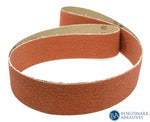
Sanding Belts: Best for large, flat surface areas in a stationary shop setup.
Pro Tips for Getting the Best Results Every Time
To ensure your tools last longer, avoid applying excessive pressure. For wire wheels, let the ends of the wire do the work; pressing too hard can bend or break the wire. For flap discs, maintain a low angle to the base material to avoid "denting." Always match your abrasive product to the metal type—use stainless steel wire wheels for stainless projects—to avoid cross-contamination and corrosion.
Choosing the Right Tool for the Job
Key Takeaways:
Wire wheels are suitable for:
- Light rust removal
- Paint stripping without thinning metal
- Removing slag and cleaning weld seams
Flap discs are best for:
- Weld prep and edge beveling
- Surface smoothing and blending
- Shaping and removal of heavy material
Choosing the right tool depends on:
- Your base material and its thickness
- Your desired surface finish (textured vs. smooth)
- The specific application and how much metal you need to remove
Ready to upgrade your workshop? Shop high-performance wire wheels and flap discs at Benchmark Abrasives. Get durable, professional-grade abrasive products for every job and ensure your next project has the perfect finish.
Join Our Newsletter
Sign up to get the latest on sales, new releases and more …Join Our Newsletter
Sign up to get the latest on sales, new releases and more …Shop Categories
Recent Articles
- Flap Disc vs Fiber Disc: Key Differences & Uses
- Best Surface Conditioning Product for Weld Removal
- Fiber Disc Backing Pads for Angle Grinders: The Ultimate Guide
- 4.5 in Corded Angle Grinder: Complete Buying Guide
- Diamond Blades: Types, Uses, and How to Choose the Right One
- Best Abrasive for Stainless Steel: Avoid Heat Tint and Contamination
- Wire Wheel vs Flap Disc: Best for Rust, Paint, and Welds
- The Best Abrasives for Aluminum: How to Cut, Grind, and Finish without Loading Up
- Drum Sanders and Linear Finishing Tools for Precision Surface Finishing
- How to Pick the Right RPM, Grit, and Pressure for Better Grinding Results
Featured Products
-
 746 Reviews
4-1/2" x 7/8" T29 Zirconia High Density Flap Disc - 10 pack
$25.19
-
 734 Reviews
4-1/2" x .040 x 7/8" T1 Premium Thin Cut-off Wheel - 25 pack
$20.88
-
 220 Reviews
4-1/2" x 7/8" T27 Zirconia High Density Flap Disc - 10 pack
$25.19
-
 380 Reviews
6" x .045 x 7/8" T1 Premium Thin Cut-Off Wheel - 25 pack
$27.29
-
 123 Reviews
4-1/2" x 1/4" x 7/8" T27 Depressed Center Grinding Wheel - 25 pack
$28.34
-
 55 Reviews
Nonwoven 6" x 9" Scuff, Clean & Finish Hand Pads
$0.83


Blog Categories
- Abrasives
- Sanding
- Grinding Deburring Finishing
- Safety and Cleanliness
- Metal Working
- Selecting Tools And Equipment
- Wood Working
- Art And Design
- Diy Projects
- Industry 4.0
- Buffing
- Cutting Tools
- Carbide Burrs
- PPE
- Wire Brushes
- Bonded Abrasives
- TIG Electrodes
- Wire Wheels
- Bits
- Diamond Blades
- Power Brushes
- Product Reviews
- Grinding
- Finishing
- Industrial Cleaners