



























Carbide Burrs: The Complete Guide to Types, Uses, and Selection

Carbide burrs are among the most essential cutting tools in any modern fabricator’s toolkit, serving as the go-to solution for precision shaping, aggressive grinding, and meticulous deburring. Whether you are clearing out a weld in a tight corner or carving intricate details into a sculpture, choosing the right carbide burr bits directly impacts your project's efficiency, the quality of the final finish, and the overall tool life of your equipment.
In the world of metalworking, carbide burr bits for metal are known for their extreme hardness and versatility. Unlike standard files or sanding stones, a high-quality rotary burr allows you to manipulate material with surgical precision while standing up to the high-speed demands of modern power tools.
Understanding the nuances of cutting burrs is the first step toward faster workflows and professional-grade results.
Carbide Burrs: What are they and how do they work
Carbide burs (often referred to as rotary files) are precision tools designed to be used in high-speed rotary equipment like die grinders, pendant drills, and pneumatic tools. While a drill bit is designed to move straight into a material, a carbide burr is designed to cut with its periphery or its end, allowing you to "carve" the metal.
How Carbide Burrs Cut Material
The magic of a carbide burr lies in its cutting edges. As the tool rotates at high speeds, often between 15,000 and 30,000 RPM, the sharp flutes on the head of the burr act like tiny chisels, peeling away chips of the workpiece. This high-speed rotation ensures rapid material removal and efficient chip clearance, preventing the tool from "loading up" or clogging. This process allows significant stock removal without requiring the user to apply excessive physical force.
Common Applications Across Industries
You will find rotary tool bits and die grinder bits in almost every sector that handles hard materials:
- Fabrication & Welding: Cleaning up weld beads and preparing joints.
- Model Engineering: Precise shaping of small-scale engine components.
- Jewelry Making: Fine-tuning precious metals and intricate engravings.
- Foundries: Removing excess material (flash) from castings.
Tungsten Carbide Burrs
While you might see some more affordable versions that are made of steel, the tungsten carbide burr is the industry standard for a reason. Tungsten carbide is roughly three times stiffer than steel and much denser, making it a premium quality choice for the most demanding jobs.
Why Tungsten Carbide Matters
Tungsten carbide’s primary advantage is its red-hardness. Even at the extreme temperatures generated during high-speed grinding, a tungsten carbide bur maintains its sharp edges. This heat resistance prevents the teeth from softening and dulling, resulting in a significantly longer tool life than high-speed steel (HSS). If you’re tired of tools wearing out mid-job, carbide is the solution.
Best Materials for Tungsten Carbide Burrs
These burrs are specifically designed to tackle hard materials. They work on:
- Ferrous metals: Including steel, carbon steel, and cast iron.
- Stainless steel: Which is notoriously difficult to grind with lesser tools.
- Titanium and Nickel: Where precision and heat management are required.
- Safety Warning: Carbide is extremely hard but also brittle. Never drop your burrs on a concrete floor, and always ensure they are fully seated in the collet to prevent snapping under lateral pressure.
Different Shapes and Applications of Carbide Burrs

Choosing from the variety of carbide burr shapes is about matching the tool's geometry to the contours of your project. The head shape determines where the burr can reach and how much surface contact it maintains.
Cylindrical and Radius End Shapes
- Cylindrical End Cut: Features cutting teeth on the end, making it ideal for clearing out flat-bottomed holes or right-angle corners.
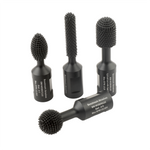
- Cylindrical Radius: Also known as a "Ball Nose" cylinder. This radius end carbide burr is perfect for contouring and grinding flat surfaces where you want to avoid sharp interior corners.
Tree, Flame, and Ball Shapes
- Ball Shape Carbide Burr: Used for creating concave cuts, hollowing out areas, or "veining" in artistic metalwork.
- Tree Pointed & Tree Radius: The pointed version is great for getting into tight, narrow grooves, while the tree radius shape is the favorite for rounding off edges and making long, sweeping contour cuts.
- Flame Shape Carbide Burr: A versatile middle ground, used for rounding off edges and working on various curved geometries.
Specialty Shapes
- Cone Shape Carbide Burr: Used for deburring and enlarging holes.
- Cone Radius: Provides a tapered cut with a rounded tip for smoother transitions.
- Inverted Cone: Perfect for rear-side deburring or creating undercuts in a workpiece.
Single Cut vs. Double Cut Carbide Burrs
One of the most frequent questions in the shop is whether to use a single-cut or a double-cut burr. The choice depends entirely on the material you’re working with and the finish you need.
Single Cut Burrs
A single-cut carbide burr has a single spiral flute. This design is best for heavy material removal and creates long, ribbon-like chips. It is preferred when you want a smooth finish on harder metals or when working with materials like cast iron or copper.
Double Cut Burrs
The double cut carbide burr features a second set of flutes cut in the opposite direction. This creates a "cross-cut" pattern that breaks the chips into tiny pieces. Double cuts are the best sellers because they offer:
- Better operator control (less "pull" or "grabbing").
- Faster stock removal.
- Cleaner finishes on most ferrous metals.
Aluminum Cut Burrs
For soft metals like aluminum, zinc, or plastics, a standard burr will clog instantly. Aluminum cut burrs feature wide, deep flutes that allow these gummy materials to escape without sticking to the tool.
Carbide Burr Bits for Metal: Choosing the Right Option
When selecting carbide burr bits for metal, you must weigh your need for speed against your need for a refined surface finish.
- Matching Burrs to Metal Type: For steel and stainless, stick with double-cut tungsten carbide. For non-ferrous materials like brass or aluminum, the wide-fluted aluminum cut is non-negotiable.
- Stock Removal and Finishing: If you have a massive weld bead to disappear, choose a double cut. If you are final-shaping a delicate edge, a finer single-cut or a smaller-diameter burr will provide more control and fewer sharp edges to clean up later.
Tool Compatibility
Your burr bits are only as good as the machine driving them. Most professionals utilize power tools like pneumatic air tools or electric die grinders.
Die Grinders and Rotary Tools
Die grinder bits typically have a larger shank size (usually 1/4 inch or 6 mm) to handle higher torque. Rotary tool bits (like those for Dremels) often use a 1/8 inch or 3mm burr shank.
Shank Size and Fit
Always check your collet size before purchasing. The shank with (1/4") is the standard for heavy industrial use, while the shank diameter of 3 mm is common for detail work and model engineering. Using a mismatched shank can lead to dangerous vibration or tool failure.
Carbide Burr Sets and Buying Considerations
If you are just starting, a carbide burr set is often the most cost-effective way to cover your bases.
- Choosing a Set: Look for a set that includes the "Big Three": Cylindrical Radius, Ball, and Tree Radius.
- Quality Matters: The best carbide burrs aren't always the cheapest. Look for burrs with consistent brazing between the head and the shank. A poorly made burr can snap at the joint, posing a safety risk.
Carbide Burrs vs. Other Cutting Tools
While they might look similar to other shop tools, carbide burrs occupy a unique niche in the hand tools hierarchy.
- Carbide Burrs Vs. End Mills: An end mill is designed for use in a milling machine at specific feed rates. Burrs are designed for hand-held flexibility and higher speeds.
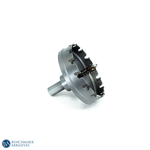
- Carbide Burrs Vs. Drill Bits: A drill bit set is for making holes. Hole cutters, hole saws, and drills move axially. Burrs move laterally and omnidirectionally.
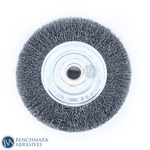
- Supporting Tools: In a full metalworking workflow, you’ll often use cut-off wheels or saw blades to get the part to size, and wire wheels to finish it, using the carbide burr for everything in between.
Pro Tips for Using Carbide Burrs Efficiently

Speed and Pressure Control: Let the tool do the work. Applying too much pressure won't cut faster; it will only create heat and cause "chatter." Maintain a high RPM to ensure the teeth are cutting rather than grabbing.
Extending Tool Life: Avoid burying the burr in the workpiece. Keeping at least 50% of the burr head visible helps clear chips and dissipate heat. For deep reaches, use long-reach or shaft carbide burrs, but reduce your speed to prevent the shaft from whipping.
Safety and Best Practices:
- Eye Protection: There can be no compromise on this safety. Carbide burrs throw tiny, razor-sharp needles of metal.
- Direction of Cut: Always move the burr in the direction opposite to the rotation (climb milling) for better control.
Unlock Precision and Power with the Right Carbide Burrs
Mastering the use of carbide burrs is a game-changer for any craftsman. By matching the right shape and cut to your material, you can transform a rough fabrication into a brand new piece.
- Essential Foundations: Carbide burrs are the primary tools for shaping, deburring, and finishing in tough environments.
- Material Matters: Tungsten carbide burrs provide the hardness and heat resistance required for ferrous metals and stainless steel.
- Shape Selection: Use cylindrical ball and tree shapes to navigate the project's specific contours.
- Efficiency & Safety: Proper RPM, light pressure, and correct PPE ensure a long tool life and a safe shop environment.
Ready to upgrade your toolkit? Explore Benchmark Abrasives’ full range of premium carbide burr bits for metal and high-performance rotary burr bits designed for professionals who demand precision and durability.
Join Our Newsletter
Sign up to get the latest on sales, new releases and more …Join Our Newsletter
Sign up to get the latest on sales, new releases and more …Shop Categories
Recent Articles
- Bonded Abrasives Accessories Guide for Grinding Tools
- The Most Common Angle Grinder Mistakes That Ruin Abrasives
- When to Replace a Diamond Blade | Warning Signs Guide
- Ceramic vs Zirconia vs Aluminum Oxide Grinding
- Carbide Burrs: The Complete Guide to Types, Uses, and Selection
- General Purpose Diamond Blades
- Buffing Wheel Guide: How to Polish, Finish, and Perfect Any Surface
- Hole Saws: Complete Guide to Types, Uses, and Choosing the Right Kit
- Introduction to Drum Sanders and Linear Finishing for Metalworkers
- How to Polish Aluminum to a Mirror Finish
Featured Products
-
 746 Reviews
4-1/2" x 7/8" T29 Zirconia High Density Flap Disc - 10 pack
$25.19
-
 738 Reviews
4-1/2" x .040 x 7/8" T1 Premium Thin Cut-off Wheel - 25 pack
$20.88
-
 220 Reviews
4-1/2" x 7/8" T27 Zirconia High Density Flap Disc - 10 pack
$25.19
-
 380 Reviews
6" x .045 x 7/8" T1 Premium Thin Cut-Off Wheel - 25 pack
$27.29
-
 123 Reviews
4-1/2" x 1/4" x 7/8" T27 Depressed Center Grinding Wheel - 25 pack
$28.34
-
 55 Reviews
Nonwoven 6" x 9" Scuff, Clean & Finish Hand Pads
$0.83


Blog Categories
- Abrasives
- Sanding
- Grinding Deburring Finishing
- Safety and Cleanliness
- Metal Working
- Selecting Tools And Equipment
- Wood Working
- Art And Design
- Diy Projects
- Industry 4.0
- Buffing
- Cutting Tools
- Carbide Burrs
- PPE
- Wire Brushes
- Bonded Abrasives
- TIG Electrodes
- Wire Wheels
- Bits
- Diamond Blades
- Power Brushes
- Product Reviews
- Grinding
- Finishing
- Industrial Cleaners