
























Grinding Wheel: Uses, Applications and Its Types

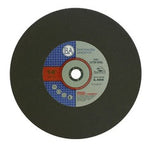
Grinding wheels are powerful tools that have been revolutionizing the way we shape, smooth, and cut tough surfaces for centuries. Grinding is typically defined as the process of utilizing solid abrasive wheels to shape or finish material. Using these abrasive wheels in manufacturing and craftsmanship, quietly transform raw materials into precise, finished components. The grinding process is done using a tool called a grinding wheel. The grinding wheel is composed of an abrasive compound and is used for abrasive machining operations.
What Are The Types of Grinding Wheels?
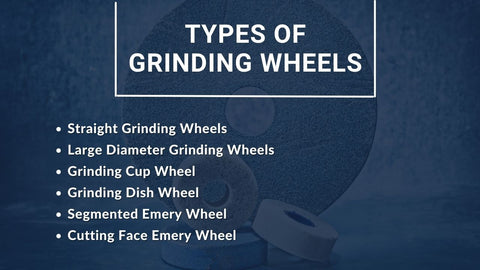
Grinding wheels are available in a range of shapes and sizes, and each wheel features serves a distinct purpose. Their shapes, sizes, and abrasive properties vary to suit different tasks like cutting, grinding, polishing, and finishing. Here are the main types of grinding wheels:
1. Straight Grinding Wheels
It is the most basic type of grinding wheel available in workshops across the planet. It is most ordinarily used to sharpen tools like chisels and lawnmower blades. You almost certainly have a self-reception.
2. Large Diameter Grinding Wheels
Large diameter wheels are somewhat similar to straight wheels, but they're much more extensive. These wide surfaced wheels tyrannize the surface of round objects like carbide blanks. Such grinding wheels are also used for OD grinding, especially in the Oil and Thermal spray Industry. These wheels are manufactured up to 36 inches.
3. Grinding Cup Wheel
One of the most familiar applications of Grinding Cup Wheels is to shine stone or concrete. Shaped like a cup, these wheels are primarily used for grinding and polishing stone, concrete, and other masonry. They are also used to remove paint and adhesives with a finer grit. Cup wheels are often used for re-sharpening and finishing for a few applications, depending on abrasive size.
4. Grinding Dish Wheel
Shallow, narrow wheels for reaching tight spaces, used for similar applications as cup wheels. They are perfect for precise grinding in restricted areas.
5. Segmented Emery Wheel
Segmented wheels, like 6A2, 1A1, and 2A2T, feature abrasive segments instead of a continuous rim, ideal for heavy-duty rough grinding and cutting large surfaces. ASA offers Hexagon, Pellets, and Pie shapes—contact for details. When used with cooling or lubricants, they remove material efficiently without damaging surfaces, creating channels that direct fluids precisely where needed.
6. Cutting Face emery wheel
Characterized by a narrow edge, these wheels are used for cutting and material removal, particularly in situations where precise cuts are necessary. The width of the grinding edge is typically very narrow and takes tons off directly.
Advantages of Grinding Wheels
Grinding wheels offer several key advantages in machining and finishing processes. They can cut through tough, hardened steel and produce a very smooth, polished surface, ensuring high-quality results. Additionally, they work quickly and with precision, saving time on each project. The advantages of grinding wheels in detail:
- Cut Hardened Steel: Grinding wheels can cut through very tough, hardened steel that other tools might struggle to do. Making them ideal for challenging metalworking tasks.
- Produces a Smooth Finish: They leave surfaces highly smooth and polished, which is perfect for applications that require a fine, professional finish.
- Quick and Accurate: Grinding wheels can remove material rapidly while maintaining high precision, saving time and ensuring accurate results.
- Requires Minimal Pressure: Less force is needed to operate grinding wheels, reducing operator fatigue and minimizing the risk of damaging the workpiece.
- Suitable for Light Work and Magnetic Chucks: They are effective on delicate tasks and can be used with magnetic chucks, which hold the workpiece securely during machining.
Although it forms an integral part of modern production, grinding remains an inexact science, the more so since sufficient care isn't always taken in selecting and using the proper wheel for the work.
Main Functions of Grinding Wheels
For the rapid removal of fabric for the smooth finish of the surface, like a fettling operation, a coarse-grained, open structure is desirable. Finish depends mostly on the dimensions of grit utilized in the grinding wheel. Still, on precision grinders on which proper diamond truing and dressing devices are available, it's possible to get a subtle finish without sacrificing production. Main functions are as follows:
-
Rapid material removal
Grinding wheels can quickly remove large amounts of material, speeding up the shaping and finishing process. This makes them ideal for heavy-duty work. -
Produces fine surface finishes
They can create smooth, polished surfaces with minimal roughness, which is crucial for precision work and high-quality results. -
Grit Selection affects finish quality
Choosing the right grit size and bond grade affects the smoothness and precision of the final surface, balancing speed and finish quality. -
Proper wheel speed and dressing
Maintaining the correct wheel speed and regularly dressing the wheel ensures consistent performance and prevents surface imperfections.
Grinding Wheels Grade
The term "grade" of a grinding wheel ranks the tenacity or hardness with which the bond holds the cutting points of abrasive grains.
The grade is indicated by bonds and processes by a letter of the English alphabet altogether.
A denotes the softest and, therefore, the letter Z indicates the toughest grade. A wheel from which the abrasive grains can easily be dislodged is named soft, whereas
The one that holds the grains more securely is named hard.
Wheel Life and Maintenance Tips
The lifespan of a grinding wheel depends on its usability. It might last from a day to a few years. Although it is important to replace the wheel after a specific time interval to avoid any further damage.
According to the ”rule of thumb”, the wheel needs to be discarded when you are 1” away from the recess.
For a longer and better life of grinding wheels, store it in dry areas. Exposure to excessive temperature changes might affect the bond strength.
Conclusion
With the right understanding and handling, grinding wheels can significantly enhance productivity and quality in any project. Using good-quality grinding wheels and following safety rules will help you get better results and work safely.
Join Our Newsletter
Sign up to get the latest on sales, new releases and more …Join Our Newsletter
Sign up to get the latest on sales, new releases and more …Shop Categories
Recent Articles
- Kahne Loftus (Kahne's Kare Packages)
- Flap Disc vs Grinding Wheel: Which One Cuts It for Your Metalwork?
- Savannah Tucker (GypsyBit Art)
- Guide to Buffing Compounds: Types, Colors, and Uses
- Concrete Grinding Techniques Using an Angle Grinder
- Jenny Jeffus (@spicy_celica_)
- Bob Bryenton (Solar Storm Forge)
- Mike Leonard (Tool'n Knives)
- Jason Davidson (@jaydewelder)
- Tamara Ward - Industrial Arts Institute (Beyond the Bench)
Featured Products
-
 734 Reviews
4-1/2" x .040 x 7/8" T1 Premium Thin Cut-off Wheel - 25 pack
$20.88
-
 746 Reviews
4-1/2" x 7/8" T29 Zirconia High Density Flap Disc - 10 pack
$25.19
-
 220 Reviews
4-1/2" x 7/8" T27 Zirconia High Density Flap Disc - 10 pack
$25.19
-
 380 Reviews
6" x .045 x 7/8" T1 Premium Thin Cut-Off Wheel - 25 pack
$27.29
-
 123 Reviews
4-1/2" x 1/4" x 7/8" T27 Depressed Center Grinding Wheel - 25 pack
$28.34
-
 55 Reviews
Nonwoven 6" x 9" Scuff, Clean & Finish Hand Pads
$0.83


Blog Categories
- Abrasives
- Sanding
- Grinding Deburring Finishing
- Safety and Cleanliness
- Metal Working
- Selecting Tools And Equipment
- Wood Working
- Art And Design
- Diy Projects
- Industry 4.0
- Buffing
- Cutting Tools
- Carbide Burrs
- PPE
- Wire Brushes
- Bonded Abrasives
- TIG Electrodes
- Wire Wheels
- Bits
- Diamond Blades
- Power Brushes
- Product Reviews
- Grinding
- Finishing
- Industrial Cleaners