



























How to Drill a Hole in Glass Without Cracking it

Drilling a hole in glass may seem intimidating, but with the right tools and a careful approach, it's a task you can master safely and without cracking the glass. Follow these step-by-step instructions and use the correct techniques to get a perfect hole where you want it.
Tools Needed to Drill Glass
Drilling through glass without cracking requires a combination of the right tools and a proper technique. The primary goal is to minimize heat and pressure on the glass, which are the leading causes of breakage.
Essential Drilling Tools
- Variable-Speed Drill: A drill with an adjustable speed is non-negotiable. High speeds generate excessive heat and friction, which can easily shatter the glass. You must be able to set the drill to a very slow RPM (revolutions per minute), ideally around 400 RPM.
- Specialized Drill Bits: Standard drill bits designed for wood or metal will not work and will likely break the glass. You need a bit made for drilling glass or tile. The two most common types are:
-
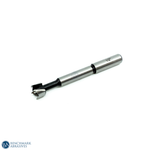
- Carbide-Tipped Bits: These bits have a spade or spear-shaped tungsten carbide tip. They are a good, affordable option for small holes and thinner glass.
- Diamond-Tipped Bits (or Diamond Core Bits): These are the best choice for drilling through glass. Their diamond-abrasive edge grinds through the material cleanly and with greater precision, making them ideal for thicker glass and larger holes.
-
Coolant/Lubricant: This is a critical tool for preventing cracks. Drilling generates heat from friction, which can cause the glass to thermal shock and break. A continuous flow of water or a specialized glass-cutting coolant is required to keep the bit and the glass cool.
Handling and Safety Tools
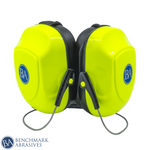
- Safety Gear: Goggles, gloves, and a grinding face shield are essential to protect you from flying glass shards and dust.
- Masking Tape: Standard masking tape is perfect for creating a stable surface for the drill bit.
- Marker Pen: For marking the exact spot for the hole.
- Sandpaper or File: To smooth the edges of the finished hole.
- Safety Clamps: Optional, but helpful in securing the glass object in place.
Essential Heat and Pressure Management Techniques
The biggest threat to drilling glass is heat and pressure. The friction from the drill bit can cause the glass to heat up rapidly, leading to a crack or a complete shatter due to thermal shock. To avoid this, you must keep the drill bit and the glass surface cool throughout the process.
To control heat, maintain a constant flow of water or a special coolant, and periodically raise the drill bit to remove glass dust. As for pressure, always start with low force, letting the weight of the drill do the work. Maintain light, steady pressure and work very slowly. For best results, drill half a hole on one side and then a full hole on the other side.
How to Drill a Hole in Glass (5 Easy Steps)
Follow simple, easy, and step-by-step instructions to drill a hole in glass without breaking it:
Step 1: Prepare the Surface
Mark your spot with a marker, then place two strips of masking tape in an "X" shape over it to create a non-slip guide for your drill bit.
Step 2: Lubricate the Area
Generously apply lubricating oil or submerge the glass in a water bath. This is crucial for preventing heat-related cracks.
Step 3: Drill Slowly and Maintain Coolant
Set your drill to a very low speed (under 400 RPM) and apply light, steady pressure. Pause every 15-20 seconds to clean away dust and reapply the lubricant.
Step 4: Flip the Glass to Finish
Once you have drilled about halfway through, flip the glass over and finish the hole from the opposite side. This technique prevents chipping and cracking at the exit point.
Step 5: Finish the Edges
When the hole is complete, gently smooth the edges with a file or sandpaper for a clean, safe finish.
Safety Tips for Drill Through Glass
To drill glass safely, you'll need the proper personal protective equipment (PPE): safety glasses, cut-resistant gloves, and a dust mask are essential to protect against flying fragments and fine dust.
Always use a variable-speed drill with a special diamond or carbide-tipped bit. A critical step is to use a coolant, such as water, to prevent overheating and cracking. Place the glass on a stable surface, such as a rubber mat, and drill at a very slow speed with light, steady pressure. Following these steps keeps the hole clean and can prevent injury.
Conclusion
With the proper preparations and a focus on managing heat and pressure, you can successfully drill a clean hole in glass every time. Remember always to use the appropriate drill bit for the job, maintain a low speed, and keep the surface lubricated. By following these steps, you can avoid the risk of cracking and get a professional-looking result.
Join Our Newsletter
Sign up to get the latest on sales, new releases and more …Join Our Newsletter
Sign up to get the latest on sales, new releases and more …Shop Categories
Recent Articles
- Felt Polishing Discs, Flap Discs & Flap Wheels
- How to Polish a Weld to a Mirror Finish
- How to Polish Cast Aluminum
- Luke Hummer - Erie County Community College
- Industrial Quick Change Discs for Fast-Lock Grinding and Finishing
- Felt Polishing Wheels, Bobs & Discs: Guide to Detail Work
- Matthew Cartwright
- Jacob Martinez (Foxholes to Fabworks)
- The Gathering
- David Fisher (Fisher Forge)
Featured Products
-
 746 Reviews
4-1/2" x 7/8" T29 Zirconia High Density Flap Disc - 10 pack
$25.19
-
 738 Reviews
4-1/2" x .040" x 7/8" t1 premium thin cut-off wheel - 25 pack
$20.88
-
 220 Reviews
4-1/2" x 7/8" T27 Zirconia High Density Flap Disc - 10 pack
$25.19
-
 380 Reviews
6" x .045 x 7/8" T1 Premium Thin Cut-Off Wheel - 25 pack
$27.29
-
 55 Reviews
Nonwoven 6" X 9" Scuff, Clean & Finish Hand Pads
$0.83
-
 123 Reviews
4-1/2" x 1/4" x 7/8" T27 Depressed Center Grinding Wheel - 25 pack
$28.34


Blog Categories
- Abrasives
- Sanding
- Grinding Deburring Finishing
- Safety and Cleanliness
- Metal Working
- Selecting Tools And Equipment
- Wood Working
- Art And Design
- Diy Projects
- Industry 4.0
- Buffing
- Cutting Tools
- Carbide Burrs
- PPE
- Wire Brushes
- Bonded Abrasives
- TIG Electrodes
- Wire Wheels
- Bits
- Diamond Blades
- Power Brushes
- Product Reviews
- Grinding
- Finishing
- Industrial Cleaners