
























How To Use Wire Brush To Remove Paint From Wood

Woodworkers are aware of how difficult it is to remove old paint. However, you're in luck if you know how to use a wire brush to remove paint from wood. A wire brush can clean off the edges of freshly cut boards, remove paint from a surface, or remove rust from a metal bed frame.
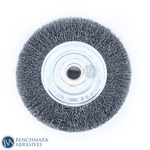
The wire power brushes come in various sizes and materials depending on what you need them for, but they all share one thing in common: they're excellent at getting into tight spaces that other tools simply can't reach. This article will discuss how to remove paint with a wire brush.
Easy Steps To Use Wire Brush To Remove Paint From Wood
Using the proper wire brush paint scraper may be enjoyable—fine wire bristles for small, sensitive places and coarse wire bristles for extensive, challenging areas. Brushing alone won't be sufficient to remove the paint altogether. This tool's benefit is that it functions well with other paint-removing equipment.
Remember to wear safety goggles and sturdy gloves when scraping paint with hand-held tools. Although it can take some time, applying a new paint color at the end is undoubtedly enjoyable.
Step 1: Dry Brush The Wood To Remove Any Loose Paint
Sweeping motions back and forth across the raised or blistered paint are where you want to start the paint removal procedure. First, remove the peeling paint from the solid base and sweep your paint-stripping brush toward the peeling paint.
Step 2: Spray Solvent Or Thinner On The Paint Remover Brush
Consider adding a layer of paint thinner or solvent to the paint remover brush if any portions of the surface still have paint after dry brushing. Water or mineral spirits could be used in this.
Brush the paint off immediately as the wire tines cannot contain a liquid thinner or solvent. If you can tell, stroke against the direction of the paint strokes. This lets the brush saturate the paint, closely clinging to the wood thoroughly.
The solvent or thinner can also be applied right away to the paint job that has to be removed. Once the paint has softened, scrub it off. You'll see the brush begin to gather up paint as you continue to brush. Use more force in areas where the paint is difficult to remove.
Step 3: Use Several Paint Removal Techniques
Apply a chemical paint remover to the intricate corners, edges, and fragile wood surfaces. The paint on the delicate furniture will soften as a result. Make multiple passes with your brush to remove extra paint and any lingering stripper from the surface after the paint forms bubbles on the surface.
When employing chemical paint removers, strictly adhere to the manufacturer's recommendations.
You may be able to remove the paint by using pressure washing if you are working on a sizable exterior area, like a wall siding or deck. Use your wire brush to scrub any remaining tenacious paint off the surface.
Using these two techniques together may remove paint more quickly while reducing the visibility of surface scratches caused by paint-stripping brushes.
Also know, How To Use a Wire Wheel to Remove Paint
Step 4: If Necessary, Proceed With A Paint Scraper
Peel off the remaining paint layers with thick paint scrapers. Simply scrape it from the surface by pushing it under the paint.
Step 5: Clean The Wire Brush
To properly remove paint and debris stuck in the bristles, thoroughly rinse your brush under running water. Mineral spirits should be used initially to flex the brush to release the debris if you remove oil-based paint. Hot, soapy water is used to finish cleaning.
Wire brushes are often the most efficient tools for removing rust from metals, slag, weld spatter, and flaking paint from wood, along with other undesirable particles.
Factors To Consider Before Selecting A Wire Brush
Following is the factors to consider while choosing a wire brush:
- The type of wire.
- The size of the wire.
- The filament arrangement.
- Length of the trim.
- The type of wire.
Consider the wire type on your paint removal brush to select the one best suited for the surface material you intend to use it on. This includes brushes made of nylon, brass, stainless steel, and carbon steel.
Both stainless steel and carbon steel can be operated with wood, but they are both very particular about the surfaces they are used on. Brass and nylon, on the other hand, are adaptable and work particularly well with wooden projects.
The Diameter Of The Wire
Depending on the paint thickness of your project, an effective paint-peeling wire brush has a different diameter.
Choose a wire brush with a fine or thin diameter for light-duty tasks like painting, detailing, or cleaning mirrors. For extensive external work like heavy-duty furniture and chairs, go with a medium to coarse wire brush.
The Filament Arrangement
There are three filament configuration options available based on their advantages- cup brushes, wire wheels, and hand-held wire brushes.
Wire brushes with a stringer bead twist knot. The filaments are firmly twisted to form a knot, narrowing the face and increasing impact—the most effective filament arrangement
for vigorous cleaning and brushing.
The Trim Size
The amount of usable filament on your wire brush is equal to the length of the trim. Therefore, pick a brush with longer trimmings for flexibility on irregular surfaces. Pick a shorter, more stiff brush filament for a quicker response on a variety of typical surfaces.
Additional Tips To Consider
Here are some additional tips to consider for using a wire brush to remove paint:
-
Chemical paint removers: ensure to use chemical paint removers for very stubborn paint or complex areas. Go through the user manual before starting the process. You can also try the chemical paint remover on a spare workpiece.
-
Heat Gun: Heat gun is popularly used to soften the paint which makes it easier to remove with a scraper or a wire brush. Make sure not to overheat the paint, as it will become gummy and hard to remove.
-
Sanding: ensure to sand the wood after removing the paint to smoothen out the surface providing even finish.
-
Wood type: the type of wood you are working on is a crucial factor to consider. There are some types of wood that are more delicate compared to others and prone to scratching. Ensure to be careful while working with these types of wood like pine.
- Lead paint: to avoid harming the environment and yourself, take extra precautions if you are concerned that your paint contains lead. take experts' advice for safe removal and disposal.
Join Our Newsletter
Sign up to get the latest on sales, new releases and more …Join Our Newsletter
Sign up to get the latest on sales, new releases and more …Shop Categories
Recent Articles
- Kahne Loftus (Kahne's Kare Packages)
- Flap Disc vs Grinding Wheel: Which One Cuts It for Your Metalwork?
- Savannah Tucker (GypsyBit Art)
- Guide to Buffing Compounds: Types, Colors, and Uses
- Concrete Grinding Techniques Using an Angle Grinder
- Jenny Jeffus (@spicy_celica_)
- Bob Bryenton (Solar Storm Forge)
- Mike Leonard (Tool'n Knives)
- Jason Davidson (@jaydewelder)
- Tamara Ward - Industrial Arts Institute (Beyond the Bench)
Featured Products
-
 734 Reviews
4-1/2" x .040 x 7/8" T1 Premium Thin Cut-off Wheel - 25 pack
$20.88
-
 746 Reviews
4-1/2" x 7/8" T29 Zirconia High Density Flap Disc - 10 pack
$25.19
-
 220 Reviews
4-1/2" x 7/8" T27 Zirconia High Density Flap Disc - 10 pack
$25.19
-
 380 Reviews
6" x .045 x 7/8" T1 Premium Thin Cut-Off Wheel - 25 pack
$27.29
-
 123 Reviews
4-1/2" x 1/4" x 7/8" T27 Depressed Center Grinding Wheel - 25 pack
$28.34
-
 55 Reviews
Nonwoven 6" x 9" Scuff, Clean & Finish Hand Pads
$0.83


Blog Categories
- Abrasives
- Sanding
- Grinding Deburring Finishing
- Safety and Cleanliness
- Metal Working
- Selecting Tools And Equipment
- Wood Working
- Art And Design
- Diy Projects
- Industry 4.0
- Buffing
- Cutting Tools
- Carbide Burrs
- PPE
- Wire Brushes
- Bonded Abrasives
- TIG Electrodes
- Wire Wheels
- Bits
- Diamond Blades
- Power Brushes
- Product Reviews
- Grinding
- Finishing
- Industrial Cleaners