



























Best Abrasives for Rust Removal on Steel

Rust is the silent enemy of every metalworking project. Whether you are dealing with rust spots on classic car body panels, stubborn oxidation on structural steel, or simply cleaning up old tools, iron oxide doesn't just look bad; it compromises the structural integrity of your metal objects.
Choosing the right approach is the difference between a quick, successful restoration and an afternoon of frustration. While there are many ways to remove rust, selecting the correct abrasive is crucial to cleaning the rusted area without gouging, warping, or damaging the base metal.
This guide covers the best way to tackle corrosion, from light surface oxidation to heavy pitting, while keeping your steel intact and protected.
Understanding Rust Before You Start Removing It
Rust is essentially the result of oxidation, where iron reacts with oxygen and moisture. Carbon steel is highly susceptible to this process, especially in high-humidity environments. Even stainless steel, while more resistant due to its chromium content, can develop "tea staining" if its protective oxide layer is damaged.
Surface Rust vs. Heavy Corrosion
Surface rust often appears as a thin, powdery orange layer. It can be easily removed with a mild abrasive pad or chemical solution. Heavy rust is characterized by deep pitting and flaking. It requires vigorous mechanical removal before refinishing is even considered.
Choosing the Best Abrasive for the Job
The right tools depend on the metal’s thickness and the depth of the rust:
- Thin Metal/Sheet Metal: Use gentle, non-aggressive abrasives to avoid warping or burning through.
- Large Structural Areas: Aggressive coarse grits are necessary to cover large areas efficiently.
- Pitted/Deep Rust: You need an abrasive that can reach into the crevices without thinning the surrounding steel.
Best Abrasive Tools for Removing Rust From Steel
The following are popular abrasive tools for removing rust from metal.
1. Flap Discs
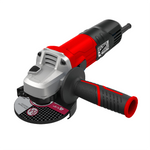
When you need to take down high spots or heavy scales, flap discs are your best bet. They provide a controlled cut, making them superior to standard grinding wheels, which are often too aggressive for rust work. Use them with an angle grinder to blend surfaces and prep for welding.
2. Strip Discs
If the rusted area is also covered in old paint or primer, a strip disc is the ideal solution. Its open-web construction removes debris and oxidation while leaving the base metal pristine. It is the gold standard for automotive restoration because it minimizes gouging.
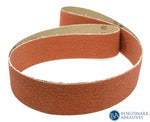
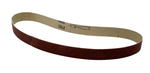
3. Sanding Belts
For fabrication shops working on flat stock, a bench-mounted or portable belt sander is incredibly efficient. Using the right grit, you can achieve a consistent finish across an entire surface in seconds.
4. Wire Wheels
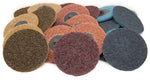
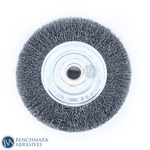
For intricate shapes, nuts, bolts, or corners, a wire wheel or a handheld abrasive pad (like Scotch-Brite) is essential. Wire wheels are perfect for "nook and cranny" work where a disc simply cannot reach.
5. Sandblasting
For massive projects, such as full trailer chassis, sandblasting is the ultimate rust removal method. It forces abrasive media into deep pits that mechanical tools cannot reach, ensuring a perfectly clean metal surface for long-term protection.
Chemical Rust Removal vs. Abrasive Rust Removal
The choice between physical scrubbing and chemical treatment depends on the severity of the rust. Here are the most effective methods for rust removal.
- Household Solutions: Baking soda paste or a soak in white vinegar (acetic acid) is excellent for small, removable metal parts.
- Industrial Chemicals: Products containing oxalic acid or phosphoric acid can dissolve rust chemically.
- The Hybrid Workflow: Soak the part in a chemical remover to loosen the oxidation, then use an abrasive pad or wire wheel to finish the surface.
Step-by-Step Rust Removal Process
Follow this efficient rust removal process to restore your metal items and achieve the best results.
Step 1: Inspect the Rusted Surface
Examine the rusted object to identify coating damage and the depth of corrosion. This helps you determine how much material to remove to reach bare metal.
Step 2: Select the Correct Abrasive
Match your grit and tool, such as an abrasive pad, to the steel. Using the right combination is essential to clean rust effectively without damaging the surface.
Step 3: Remove Rust Efficiently
Use steady pressure control to remove paint and corrosion. Stay consistent to avoid overheating and gouging the surface.
Step 4: Prep Bare Metal for Protection
Thoroughly remove residue to leave the metal clean. Once the surface is smooth, immediately apply a primer or protective coating to the rusted area to prevent future damage.
Safety Tips for Rust Removal Projects
- PPE: Always wear eye protection (safety goggles), heavy-duty gloves, and a respirator (especially when creating fine metal/rust dust).
- Ventilation: If using chemical removers, always work in a well-ventilated area to avoid inhaling harsh fumes.
- Heat Management: When grinding, be aware that sparks are a fire hazard. Ensure your work area is clear of flammables.
Rust Prevention After Removal
Rust prevention is just as important as removal.
- Primers: Use a high-quality etching primer to bond directly to the clean steel.
- Sealants: For outdoor projects, consider a powder coat or an industrial-grade enamel to create a physical barrier against moisture.
- Moisture Control: Store your finished projects in a dry, climate-controlled environment whenever possible.
FAQs
1. What is the best abrasive for rust?
It depends on the severity. Flap discs are great for heavy rust, while strip discs are best for paint/rust combos.
2. Are flap discs better than wire wheels?
Flap discs are for stock removal; wire wheels are for detail work and surface cleaning.
3. What grit should I use?
Start with 40–60 grit for removal and 80–120 for finishing.
4. Can I use abrasives on stainless steel?
Yes, but use dedicated discs to avoid cross-contamination that could cause rust later.
5. Is chemical removal safer?
It’s less physically demanding, but requires careful handling of acids.
From Corroded Steel to Clean Metal: Choosing Abrasives That Actually Work
Successfully removing rust is about selecting the right tool for the metal's state. Whether you are using flap discs to tackle heavy scaling or a wire wheel for precision detail, remember that the finish you leave behind is the foundation for the final protection you apply.
- Flap discs: Use for aggressive removal and blending.
- Strip discs: Used to remove paint and corrosion without damaging metal.
- Sanding belts: Best for flat stock and fabrication.
- Wire wheels: Perfect for tight spaces.
- Chemical removers: Great for stubborn, hidden corrosion.
- Coatings: Always follow up with a sealant to prevent new rust.
Ready to start your restoration? Check out Benchmark Abrasives' premium range of rust-removal abrasives, including high-performance flap discs, strip discs, sanding belts, and specialized surface conditioning tools designed for steel fabrication.
Join Our Newsletter
Sign up to get the latest on sales, new releases and more …Join Our Newsletter
Sign up to get the latest on sales, new releases and more …Shop Categories
Recent Articles
- Resin Fiber Discs vs Flap Discs: When Should You Use Each?
- Best Abrasives for Rust Removal on Steel
- Cut-Off Wheels vs Band Saws: Which is Better for Metal Cutting
- How to Optimize RPM Abrasive Disc Performance & Lifespan
- Surface Conditioning Discs: A Fabricator's Guide
- Best Flap Disc for Stainless Steel: Complete Fabricator’s Guide
- Ceramic vs Zirconia Flap Discs: Which Performs Better for Metal Fabrication
- How to Choose the Right Grit for Metal Sanding Projects
- Tools Collection for Fabrication and Abrasive Workflows
- How to Choose the Right Diamond Blade
Featured Products
-
 746 Reviews
4-1/2" x 7/8" T29 Zirconia High Density Flap Disc - 10 pack
$25.19
-
 738 Reviews
4-1/2" x .040" x 7/8" t1 premium thin cut-off wheel - 25 pack
$20.88
-
 220 Reviews
4-1/2" x 7/8" T27 Zirconia High Density Flap Disc - 10 pack
$25.19
-
 380 Reviews
6" x .045 x 7/8" T1 Premium Thin Cut-Off Wheel - 25 pack
$27.29
-
 55 Reviews
Nonwoven 6" X 9" Scuff, Clean & Finish Hand Pads
$0.83
-
 123 Reviews
4-1/2" x 1/4" x 7/8" T27 Depressed Center Grinding Wheel - 25 pack
$28.34


Blog Categories
- Abrasives
- Sanding
- Grinding Deburring Finishing
- Safety and Cleanliness
- Metal Working
- Selecting Tools And Equipment
- Wood Working
- Art And Design
- Diy Projects
- Industry 4.0
- Buffing
- Cutting Tools
- Carbide Burrs
- PPE
- Wire Brushes
- Bonded Abrasives
- TIG Electrodes
- Wire Wheels
- Bits
- Diamond Blades
- Power Brushes
- Product Reviews
- Grinding
- Finishing
- Industrial Cleaners