



























Best Flap Disc for Stainless Steel: Complete Fabricator’s Guide

The best flap disc for stainless steel is a ceramic flap disc for heavy weld removal and production work, as it cuts cooler and lasts longer on hard metal. For cost-conscious or mixed-metal general fabrication, a zirconia flap disc is the better value. In both cases, choose an Inox/stainless-rated disc and a grit matched to your stage.
Whether you are working in a high-production facility or a custom workshop, choosing the right disc significantly affects your surface-finishing quality, productivity, and overall operational costs.
This guide will help you navigate grain types, grit selection, and disc geometry to ensure your power tools deliver a professional result every time.
Understanding How Flap Discs Work on Stainless Steel
Flap discs consist of overlapping coated abrasive flaps secured to a rigid backing plate. This layered design allows the disc to wear away gradually, constantly exposing fresh abrasive grains. This flexibility makes them superior to rigid wheels for blending contours, deburring, and reaching into tight profiles.
Why Stainless Steel Needs Cooler Grinding
Stainless steel is highly susceptible to heat buildup. Excessive heat not only leads to heat discoloration (the dreaded "rainbow" burn marks) but can also compromise the metal's corrosion resistance. Quality flap discs designed for stainless steel often include grinding aid additives that reduce friction and prevent glazing, ensuring a cooler grinding process that protects the integrity of your workpiece.
Ceramic vs Zirconia Flap Disc
When to Choose a Ceramic Flap Disc
Ceramic flap discs use premium ceramic grain that micro-fractures under pressure, creating a continuous supply of sharp edges.
- Ideal for: Heavy-duty fabrication, weld removal, and demanding stainless steel applications where high pressure is required.
- Benefits: Faster stock removal and a significantly longer service life compared to other grains.
When to Choose a Zirconia Flap Disc
Zirconia flap discs are the jack-of-all-trades in the metalworking world. They feature a tough, self-sharpening grain that performs exceptionally well under medium pressure.
- Ideal for: Cost-conscious projects, mixed-metal stores (stainless and carbon), and general fabrication.
- Benefits: An excellent balance of cost-efficiency and consistent cutting performance.
Related Post: Ceramic Flap Disc vs Zirconia Flap Discs
| Factor | Ceramic flap disc | Zirconia flap disc |
| Grain behavior | Micro-fractures under pressure -> always-fresh edges | Tough, self-sharpening under medium pressure |
| Best pressure | High pressure / heavy-duty | Medium pressure / general use |
| Cut speed & life | Fastest cut, longest life on hard metal | Good cut, good life; less aggressive |
| Best for (stainless) | Production weld removal, demanding jobs | Cost-conscious, mixed stainless + carbon shops |
| Cost | Higher upfront (pays back in volume) | Lower upfront / best value |
Choosing the Right Grit and Grain Type
The right Grit selection determines your trajectory from raw weld to final finish:
- Coarser Grit (40–60): Use these for heavy material removal and knocking down high weld seams.
- Finer Grit (80–120): Essential for fine finishing, blending scratch patterns, and preparing the surface for secondary polishing steps.
When selecting grain types, remember that ceramic alumina provides the fastest cut and longest life on hard metals, while aluminum oxide is generally reserved for softer, non-ferrous applications where high-pressure cutting isn't the primary goal.
High-Density vs. Standard Flap Discs
High-density flap discs feature a higher count of abrasive flaps, often with a slight overhang. This increased surface area means more abrasive is in contact with the workpiece, leading to:
- Longer Life: More material means fewer disc changes during a project.
- Smoother Finish: The added density provides a cushioning effect that reduces vibration and prevents gouging.
For high-volume production shops, the slight increase in upfront cost for high-density discs is almost always offset by massive gains in productivity and consistent performance.
Flap Disc Applications for Stainless Steel Fabrication
-
Weld Seam Cleanup: Use 40 or 60 grit to bring down the weld flush with the base metal. Maintain a consistent angle to avoid digging in.
-
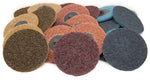
Surface Prep: Transition to surface conditioning flap disc options to remove light oxidation and create a uniform matte texture.
-
Tight Spaces: Use mini flap discs on die grinders to reach around small radii or internal fillets.
-
Finishing: Follow a strict grit progression (e.g., 60 → 80 → 120) before moving to non-woven belts or buffing wheels to achieve a mirror finish on stainless steel.
Tool Compatibility and Best Practices
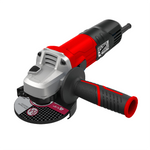
Your angle grinder should always be matched to the disc's RPM rating. A right-angle grinder with variable speed control is a major asset when working on stainless steel, as it allows you to slow the disc down to reduce heat generation further.
Best Practices for Disc Life:
- Pressure: Don't force it. Let the speed of the tool and the sharpness of the grain do the work.
- Angle: Use the optimal grinding angle recommended for your disc shape (Type 27 vs. Type 29).
- Consistency: Keep the grinder moving. Staying in one spot is the fastest way to overheat and ruin your finish.
Common Mistakes That Damage Stainless Steel Finishes
Contamination: Never reuse a flap disc that has been used on carbon or mild steel. Ferrous particles will embed into the stainless steel and cause "tea staining" (rust) later on.
Excessive Heat: If the steel turns blue, you have gone too far. This ruins the crystalline structure of the metal and makes the finish look unprofessional.
Skipping Grits: You cannot jump from 60 grit to a mirror polish. You must erase the scratches from the previous grit level before moving forward.
FAQs
1. What is the best flap disc for stainless steel?
For production work, a ceramic flap disc is best due to its heat management and long life.
2. Are ceramic flap discs better than zirconia?
Ceramic cuts faster and lasts longer on hard metals like stainless, while zirconia is better for cost-conscious, general-purpose applications.
3. What grit should I use?
Start with 40-60 for weld removal, 80 for blending, and 120+ for finishing prep.
4. Can flap discs remove weld seams?
Yes, high-density ceramic flap discs are excellent for flush-grinding welds.
5. Why does my stainless steel change color?
Excessive pressure creates friction heat. Use light pressure and a disc with grinding help.
6. Are high-density flap discs worth it?
Yes—they last 20-30% longer and produce a smoother finish with less chatter.
The Stainless Steel Finish Starts with the Right Flap Disc
Quality stainless steel fabrication is about control. By choosing the right flap disc, managing your grinding angle, and respecting the heat-sensitivity of the material, you elevate your shop’s output from "decent" to professional.
Ready to upgrade your finishing project? Benchmark Abrasives offers a premium selection of ceramic flap discs, zirconia flap discs, and specialized surface conditioning products specially designed for the stainless steel fabricator.
Join Our Newsletter
Sign up to get the latest on sales, new releases and more …Join Our Newsletter
Sign up to get the latest on sales, new releases and more …Shop Categories
Recent Articles
- Resin Fiber Discs vs Flap Discs: When Should You Use Each?
- Best Abrasives for Rust Removal on Steel
- Cut-Off Wheels vs Band Saws: Which is Better for Metal Cutting
- How to Optimize RPM Abrasive Disc Performance & Lifespan
- Surface Conditioning Discs: A Fabricator's Guide
- Best Flap Disc for Stainless Steel: Complete Fabricator’s Guide
- Ceramic vs Zirconia Flap Discs: Which Performs Better for Metal Fabrication
- How to Choose the Right Grit for Metal Sanding Projects
- Tools Collection for Fabrication and Abrasive Workflows
- How to Choose the Right Diamond Blade
Featured Products
-
 746 Reviews
4-1/2" x 7/8" T29 Zirconia High Density Flap Disc - 10 pack
$25.19
-
 738 Reviews
4-1/2" x .040" x 7/8" t1 premium thin cut-off wheel - 25 pack
$20.88
-
 220 Reviews
4-1/2" x 7/8" T27 Zirconia High Density Flap Disc - 10 pack
$25.19
-
 380 Reviews
6" x .045 x 7/8" T1 Premium Thin Cut-Off Wheel - 25 pack
$27.29
-
 55 Reviews
Nonwoven 6" x 9" Scuff, Clean & Finish Hand Pads
$0.83
-
 123 Reviews
4-1/2" x 1/4" x 7/8" T27 Depressed Center Grinding Wheel - 25 pack
$28.34


Blog Categories
- Abrasives
- Sanding
- Grinding Deburring Finishing
- Safety and Cleanliness
- Metal Working
- Selecting Tools And Equipment
- Wood Working
- Art And Design
- Diy Projects
- Industry 4.0
- Buffing
- Cutting Tools
- Carbide Burrs
- PPE
- Wire Brushes
- Bonded Abrasives
- TIG Electrodes
- Wire Wheels
- Bits
- Diamond Blades
- Power Brushes
- Product Reviews
- Grinding
- Finishing
- Industrial Cleaners