



























Cut-Off Wheels vs Band Saws: Which is Better for Metal Cutting

In the fabrication industry, the debate between cut-off wheels and band saws often rages. Whether you're building a new professional shop, managing a construction site, or improving your home garage, choosing the right tool for your cutting tasks is crucial. This decision impacts everything from your production speed and edge quality to your bottom-line operating costs.
Understanding the mechanics of both tools is essential. While one offers unmatched portability and speed, the other provides the precision and longevity required for high-volume fabrication work.
This guide breaks down the comparison to help you optimize your cutting process and choose the equipment that fits your specific cutting needs.
How Cut-Off Wheels Work?
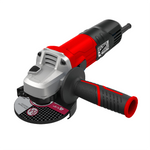
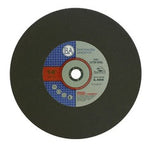
An abrasive cutting wheel removes material through intense friction. These wheels are commonly paired with an angle grinder for handheld tasks or an abrasive chop saw for stationary work. They are the quintessential "workhorse" of the field, capable of tearing through various metals with minimal setup.
Best Applications for Cut-Off Wheels
Cut-off wheels excel at fast, versatile work. They are the go-to for cutting rebar, tubing, angle iron, and bolts. Their greatest advantage is mobility; you can take an angle grinder almost anywhere, making it indispensable for field repair and demolition.
Advantages and Limitations
-
Advantages: Low upfront tool cost, excellent portability, and rapid setup.
-
Limitations: High spark production, significant heat buildup, reduced precision, and frequent wheel replacement as it wears down.
How Band Saws Handle Metal Cutting
A metal-cutting band saw uses a continuous toothed blade driven by a drive wheel to slice through material. Whether you are using a horizontal bandsaw for long production runs or a portable band saw for site work, the motion is controlled and mechanical rather than abrasive.
Where Band Saws Perform Best
Band saws are the gold standard for precise cuts. They are ideal for repetitive production, cutting thick structural steel, and creating clean miters. Because they generate very little heat and few sparks, they are perfect for use in sensitive shop environments.
Cutting Speed vs Accuracy: Which Tool Wins?
- Cutting Speed: While an abrasive wheel may cut faster initially, a band saw offers more consistent speed across thick materials without the need to manage heat-related work hardening.
- Precision: The best cut almost always comes from a band saw. Cut-off wheels tend to wander, creating burrs that require significant secondary grinding.
- Material Waste: The "kerf" (the width of the cut) is much narrower on a saw blade. Band saws produce minimal material waste, saving money over time when cutting expensive alloys.
Choosing the Right Tool for Different Materials
- Stainless Steel: Stainless steel is heat-sensitive. A band saw is generally preferred here, as the heat from an abrasive cutting wheel can damage the metal's corrosion resistance.
- Thin Sheet Metal: Thin materials can distort easily. While a high-speed wheel might "burn" through, a band saw with the proper blade offers cleaner results with less warping.
- Thick Materials: For heavy structural steel, the band saw’s ability to maintain a straight cut through the entire profile makes it far superior to an abrasive wheel, which may deflect under pressure.
Blade Life, Wheel Wear, and Operating Costs
Abrasive wheels are consumables that wear down continuously, changing the effective wheel diameter throughout their life. In contrast, a quality bandsaw blade—especially when used with the correct blade tension—can last for hundreds of cuts. While the upfront investment for a bandsaw machine is higher, the long-term cost per cut is often lower due to reduced downtime and the elimination of constant wheel replacements.
Safety Differences
Abrasive cutting is inherently "messy." The high-speed rotation generates hot sparks and dust, necessitating strict hearing and eye protection, as well as fire safety protocols. Band saws are significantly safer regarding fire risks and debris control, though they still require standard PPE to protect against metal shavings and blade contact.
FAQs
1. Are cut-off wheels faster than band saws?
For quick, single cuts on small material, yes. For production or thick stock, band saws are more efficient.
2. Which tool creates cleaner cuts?
The band saw, hands down. It leaves a finish that often requires little to no deburring.
3. What is better for thick steel stock?
A horizontal band saw is far superior for maintaining accuracy in thick stock.
4. Do band saws last longer than abrasive wheels?
Yes, a single quality blade lasts significantly longer than the cumulative lifespan of dozens of abrasive wheels.
5. Are portable band saws worth it?
Absolutely. They offer the portability of a grinder with the precision of a stationary saw.
6. Which is safer for daily cutting?
Band saws generally present lower fire risks and offer better control, reducing the risk of kickback.
7. Can a circular saw cut metal?
Yes, provided it is equipped with a specific metal-cutting blade type and runs at the correct RPM.
Choosing the Best Cutting Tool for Your Workflow
The selection between a cut-off wheel and a band saw doesn't have to be an "either-or" system. Most successful fabrication shops use both: the band saw for precision production and the cut-off wheel for quick, portable repairs.
When deciding, consider your volume: if you are cutting the same shapes repeatedly, invest in a band saw. If you are doing emergency work on the job site, keep your abrasive power tools ready. By balancing your cutting performance requirements with your budget and portability needs, you can build a cutting system that maximizes efficiency.
Ready to optimize your fabrication process? Explore Benchmark Abrasives' premium range of cutting wheels, metalworking accessories, and fabrication solutions designed to deliver high performance on every project.
Join Our Newsletter
Sign up to get the latest on sales, new releases and more …Join Our Newsletter
Sign up to get the latest on sales, new releases and more …Shop Categories
Recent Articles
- Resin Fiber Discs vs Flap Discs: When Should You Use Each?
- Best Abrasives for Rust Removal on Steel
- Cut-Off Wheels vs Band Saws: Which is Better for Metal Cutting
- How to Optimize RPM Abrasive Disc Performance & Lifespan
- Surface Conditioning Discs: A Fabricator's Guide
- Best Flap Disc for Stainless Steel: Complete Fabricator’s Guide
- Ceramic vs Zirconia Flap Discs: Which Performs Better for Metal Fabrication
- How to Choose the Right Grit for Metal Sanding Projects
- Tools Collection for Fabrication and Abrasive Workflows
- How to Choose the Right Diamond Blade
Featured Products
-
 746 Reviews
4-1/2" x 7/8" T29 Zirconia High Density Flap Disc - 10 pack
$25.19
-
 738 Reviews
4-1/2" x .040" x 7/8" t1 premium thin cut-off wheel - 25 pack
$20.88
-
 220 Reviews
4-1/2" x 7/8" T27 Zirconia High Density Flap Disc - 10 pack
$25.19
-
 380 Reviews
6" x .045 x 7/8" T1 Premium Thin Cut-Off Wheel - 25 pack
$27.29
-
 55 Reviews
Nonwoven 6" X 9" Scuff, Clean & Finish Hand Pads
$0.83
-
 123 Reviews
4-1/2" x 1/4" x 7/8" T27 Depressed Center Grinding Wheel - 25 pack
$28.34


Blog Categories
- Abrasives
- Sanding
- Grinding Deburring Finishing
- Safety and Cleanliness
- Metal Working
- Selecting Tools And Equipment
- Wood Working
- Art And Design
- Diy Projects
- Industry 4.0
- Buffing
- Cutting Tools
- Carbide Burrs
- PPE
- Wire Brushes
- Bonded Abrasives
- TIG Electrodes
- Wire Wheels
- Bits
- Diamond Blades
- Power Brushes
- Product Reviews
- Grinding
- Finishing
- Industrial Cleaners