



























How to Choose the Right Grit for Metal Sanding Projects

For metal sanding, match grit to the stage:
-
24–60 grit for heavy rust, paint, or stock removal;
-
80–120 grit to blend scratches and prep the surface;
-
150–220 grit to smooth before coating;
-
320 grit and up (often wet) for polishing to a mirror finish.
Step through the grits in order and match the abrasive to the metal: aluminum oxide for mild steel, zirconia or ceramic for stainless and hard alloys.
Grit selection is where most metal sanding jobs are won or lost. Pick a grit too coarse and you gouge the workpiece; too fine and you waste hours making no progress. The number you reach for depends entirely on the stage you're at and the metal you're working.
This guide simplifies the science of sanding metal, helping you match the ideal grit level to your metalwork goals. By understanding how these different materials and abrasive grains interact, you can achieve your desired finish with speed, precision, and efficiency for the best results.
Understanding Sandpaper Grit and Why It Matters
At its core, sandpaper grit refers to the size of the abrasive particles embedded on the backing material. The rule is simple: the lower the number, the larger and more aggressive the abrasive grains; the higher the number, the smaller the particles and the more refined the finish.
A Quick Grit Overview
|
Grit Range |
Task / Stage |
Best Abrasive |
Example Metal |
|
24–60 (Coarse) |
Heavy rust/paint removal, stripping |
Zirconia or ceramic flap/fiber disc |
Structural steel, cast iron |
|
80–120 (Medium) |
Blending scratches, surface prep |
Aluminum oxide, zirconia |
Mild steel, stainless |
|
150–220 (Fine) |
Smoothing before coating |
Aluminum oxide, silicon carbide |
All metals |
|
320–600 (Very fine) |
Pre-polish, finishing |
Silicon carbide, ceramic |
Stainless, aluminum |
|
800–2,000+ (Polishing) |
Mirror finish, wet sanding |
Silicon carbide (wet) |
Stainless, brass, aluminum |
Not all grit numbers use the same scale. North American sandpaper typically uses the CAMI standard, while European abrasives use FEPA, marked with a "P" prefix (e.g., P80, P400). The two diverge at finer grits, as a P400 isn't identical to a 400 CAMI. So check which scale a product uses when matching abrasives across brands. For most metalwork the difference is minor at coarse grits but matters once you're polishing.
Matching Grit Levels to Your Metal Sanding Goal
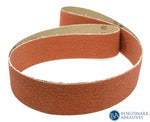
When you face rough surfaces or uneven surfaces, start with a coarse grit. For rust removal or stripping old finishes and old paint, you need aggressive cutting power. In these scenarios, use flap discs or sanding belts on a power sander to remove rust efficiently. The high-speed action of these tools, paired with 40-to-60 grit abrasives, is the most effective way to clear a blank slate.
Surface Smoothing and Prep Work
Once the heavy debris is gone, transition to medium grit for surface prep. This stage is vital for any painting project, as it creates the mechanical "teeth" necessary for coats of paint or primer to bond effectively. If you are working on body panels, this is where you remove imperfections, so your final finish coats lay down flat.
Final Finishing and Metal Polishing
For the final stage, move to finer grits. If you are polishing stainless steel, you may need to progress up to 600, 1000, or even 2000+ grit. Wet sanding is often employed here to keep the abrasive clean and prevent dust, resulting in an exceptionally smoother finish that is free of visible scratches.
Choosing the Best Abrasive Type for Metal Sanding
Not all abrasives are created equal. Choosing the best sandpaper for your metal depends on how hard the metal is and how much material you need to remove.
-
Aluminum Oxide: The most common abrasive product and a great general-purpose choice. It is durable, cost-effective, and works well on mild steel.
-
Zirconia Alumina: Designed for heavy material removal. Because of its high durability and self-sharpening properties, it is the best sanding metal choice for hard metals like stainless steel or structural steel.
-
Silicon Carbide and Ceramic Sandpaper: The go-to for finer grits and ultra-hard materials. Ceramic sandpaper offers a very aggressive, long-lasting cut that produces a consistent, smoother finish, making it ideal for high-precision finishing.
The Best Sanding Tools for Different Grit Applications
Your tool selection determines grit performance. Hand sanding with a sanding block or sanding sponge provides the control needed for delicate shapes, while power tools like random orbital sanders provide consistent, high-speed material removal.
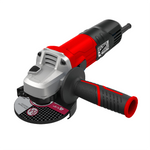
For flat, large surfaces, belt sanders and sanding discs are king. If you are working with an angle grinder, flap discs are essential for grinding and blending in one motion. Always ensure your tool has proper dust extraction capability, as metallic dust can be harmful if inhaled or if it settles into your finish.
Grit Recommendations by Metal Type
Different metal surfaces require different approaches:
-
Stainless Steel: Requires ceramic sandpaper or Zirconia. Start with 80 grit and progress to 320+ for a polished look.
-
Aluminum: A softer metal that clogs sandpaper easily. Use aluminum oxide and consider light pressure to prevent overheating.
-
Mild Steel: Very versatile; aluminum oxide works perfectly for most surface prep and general sanding.
-
Copper & Brass: Soft and gummy - they load abrasives fast. Use a lower grit with an open-coat aluminum oxide or silicon carbide, light pressure, and wet sand for the final finish to keep residue down.
Common Mistakes When Choosing Sandpaper Grit
-
Skipping Grit Progression: Jumping from 60 to 400 grit will leave visible "deep" scratches from the 60-grit stage. Follow a logical progression (e.g., 80, 120, 220).
-
Using Overly Coarse Grit Too Early: You cannot remove a deep 40-grit scratch with a 220-grit disc. Start as fine as possible for the task at hand.
-
Ignoring Finish Goals: If you need a mirror polish, you must finish with extremely fine particles, regardless of how long it takes.
-
Ignoring heat and loading: Too much pressure or a stalled tool builds heat that warps thin metal and "blues" stainless. Keep the tool moving and use light pressure. On soft metals like aluminum, brass, and copper, use an open-coat abrasive; the wider grain spacing keeps the disc from loading (clogging) with soft metal. On stainless, use ceramic to cut cool and avoid work-hardening the surface.
FAQs
1. What grit sandpaper should I use for metal?
Use 40–80 for removal, 100–220 for blending/prep, and 320+ for finishing.
2. What is the best grit for removing rust from metal?
Use 40–60 grit discs or flap discs for aggressive rust removal.
3. Is wet sanding better for metal finishing?
Yes, it is often necessary for final finishing to achieve the highest level of surface refinement.
4. What abrasive works best for stainless steel?
Ceramic or zirconia abrasives are best for stainless steel because they handle the heat and hardness of the material effectively.
Choosing Grits with Confidence
Achieving a smoother finish is a process of refinement, not luck. By selecting the right abrasive, following a proper grit progression, and using the correct sanding techniques, you ensure a professional result that stands the test of time. Always test your chosen grit range on a piece of scrap material before touching your final piece.
Ready to get started? Check out our wide range of sanding discs, belts, and sandpaper collections to find the right gear for your next sanding project. Remember, mastering your grit selection saves you time, reduces hassle, and guarantees the best results for every metal sanding job.
Join Our Newsletter
Sign up to get the latest on sales, new releases and more …Join Our Newsletter
Sign up to get the latest on sales, new releases and more …Shop Categories
Recent Articles
- Resin Fiber Discs vs Flap Discs: When Should You Use Each?
- Best Abrasives for Rust Removal on Steel
- Cut-Off Wheels vs Band Saws: Which is Better for Metal Cutting
- How to Optimize RPM Abrasive Disc Performance & Lifespan
- Surface Conditioning Discs: A Fabricator's Guide
- Best Flap Disc for Stainless Steel: Complete Fabricator’s Guide
- Ceramic vs Zirconia Flap Discs: Which Performs Better for Metal Fabrication
- How to Choose the Right Grit for Metal Sanding Projects
- Tools Collection for Fabrication and Abrasive Workflows
- How to Choose the Right Diamond Blade
Featured Products
-
 746 Reviews
4-1/2" x 7/8" T29 Zirconia High Density Flap Disc - 10 pack
$25.19
-
 738 Reviews
4-1/2" x .040" x 7/8" t1 premium thin cut-off wheel - 25 pack
$20.88
-
 220 Reviews
4-1/2" x 7/8" T27 Zirconia High Density Flap Disc - 10 pack
$25.19
-
 380 Reviews
6" x .045 x 7/8" T1 Premium Thin Cut-Off Wheel - 25 pack
$27.29
-
 55 Reviews
Nonwoven 6" X 9" Scuff, Clean & Finish Hand Pads
$0.83
-
 123 Reviews
4-1/2" x 1/4" x 7/8" T27 Depressed Center Grinding Wheel - 25 pack
$28.34


Blog Categories
- Abrasives
- Sanding
- Grinding Deburring Finishing
- Safety and Cleanliness
- Metal Working
- Selecting Tools And Equipment
- Wood Working
- Art And Design
- Diy Projects
- Industry 4.0
- Buffing
- Cutting Tools
- Carbide Burrs
- PPE
- Wire Brushes
- Bonded Abrasives
- TIG Electrodes
- Wire Wheels
- Bits
- Diamond Blades
- Power Brushes
- Product Reviews
- Grinding
- Finishing
- Industrial Cleaners