


























10 Essential Electric Sanders and Their Best Uses

Sanding is a fundamental step in nearly every woodworking and wood-finishing work, as well as many other home improvement projects. For any carpenter, from novice to seasoned professional, an electric sander is an indispensable tool. When shopping for a sander, understanding your specific needs is crucial, as the wide variation in functions and project sizes means no single sander can perform all tasks perfectly.
While a woodworker may appreciate having a variety of sanders, each tool excels at particular applications—from smoothing wood and removing splinters to achieving a specific thickness or finish.
This guide compiles the 10 best electric sanders available today and details their most effective applications, helping you choose the right tool for your next project.
Top 10 Electric Sanders and Their Applications
1. Belt Sander
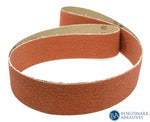
The belt sander is a powerhouse among electric sanders, known for its aggressive material removal capabilities. It gets its name from the continuous sanding belt that loops around two drums—a driven rear drum powered by an electric motor and a freely spinning front drum. Most models include a tension release mechanism for easy belt changes, as well as a tracking adjustment knob to ensure the belt remains centered during operation.
Belt Sander Uses:
- Aggressive Stock Removal: The most powerful electric sander for flattening and rapidly removing material from large, flat wood surfaces. Ideal for leveling tabletops, rough wood boards, dressers, and removing deep scratches or imperfections.
- Scribing: Useful for fitting cabinets or countertops against irregular walls.
- Floor Sanding (Portable): Smaller portable models can be used for tough spots or edges on floors, though dedicated floor sanders are more common for large areas.
- Stationary Models (Benchtop): Bench-top belt sanders are excellent for sanding smaller workpieces, shaping edges, or even tool sharpening.
2. Disc Sander
As its name suggests, a disc sander utilizes a circular sanding pad with abrasive material affixed to it. Disc sanders come in two primary types, each with different applications:
a) Benchtop Disc Sander
A stationary machine where an abrasive disc is fastened to a circular backplate, typically made of steel or aluminum. This backplate connects to a driving motor via a central screw. Disc diameters can vary from 4 inches for smaller models to 12 inches for larger ones.
Uses: A valuable machine tool for quickly sanding small workpieces, shaping curves, chamfering edges, and deburring. Its high rotational speed creates a clean finish ideal for slick surfaces.
b) Portable or Hand-Held Sander (Angle Grinder with Sanding Disc)
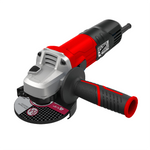
This type is less common as a standalone "sander" and is often found as an attachment or a primary function of an angle grinder, where the abrasive disc rotates perpendicular to the body of the power tool.
Uses: Similar to a portable belt sander for aggressive material removal, especially on metal. A disc can sand more expansive areas and can reach edges and curves that a traditional portable belt sander might struggle with. Requires careful securing of the workpiece.
3. Combination Disc and Belt Sanders
A combination sander combines the best features of both disc and belt sanders into a single, versatile benchtop machine. This combination is particularly valuable when you frequently need to shape and finish workpieces by hand.
Combination Disc and Belt Sanders Uses:
- Versatile Shaping: Ideal for a wide range of tasks, including flattening edges, shaping curves, deburring, and general material removal on various workpieces.
- Edge Sanding: Excels at precisely sanding edges, whether straight or curved, providing stability for consistent results.
- Finishing: Can be used for initial shaping with the belt and then refined with the disc.
4. Oscillating Spindle Sander (OSS)
The Oscillating Spindle Sander (OSS) is a specialized tool within the drum sander family, featuring a cylindrical sanding drum that projects vertically from a freestanding table or countertop. This benchtop sander is exceptionally versatile for sanding both straight and, more importantly, curved edges.
The sanding drum not only spins but also moves up and down (oscillates vertically) during operation. This oscillation prevents the formation of grooves in the workpiece and evenly distributes the wear on the abrasive covering, thereby increasing its life.
Sizes: Available in various sizes, from benchtop models with drums 1/2 to 2 inches in diameter and 4 inches in length, to larger freestanding models with drums up to 4 inches in diameter and length.
Oscillating Spindle Sander Uses:
- Rounding Off Edges: Primarily used for smoothing and rounding off board edges, especially on contoured or curved pieces.
- Beveled Edges: Many OSS models allow the front of the table to be angled up to 45 degrees, enabling the creation of precise beveled edges.
- Curved Surfaces: Its unique vertical oscillation and round drum make it superb for smoothly sanding inside and outside curves.
- Straight Surfaces: While excelling at curves, it's also effective at sanding straight surfaces, making it more adaptable than some other specialized sanders.
5. Orbital Sander (Sheet Sander / Finishing Sander)
An orbital sander, sometimes called a sheet sander or finishing sander, features a rectangular or square sanding pad that moves in tiny, rapid circular (orbital) pathways. It's designed to use a cut section of standard-sized sandpaper, which is clipped to the sanding pad.
Orbital Sander Uses:
- Fine Finishing: Ideal for the final sanding of large surfaces that have already been pre-sanded with more aggressive tools like belt sanders. It produces a very smooth surface ready for finishing.
- Light Material Removal: Suitable for light sanding, smoothing plaster, paint, or varnish.
- Corners: Due to its rectangular or square pad, it can reach into corners more effectively than a round random orbital sander.
6. Random Orbital Sander
The random orbital sander is one of the most popular and versatile sanders for both DIYers and professionals. It features a circular sanding pad that spins and moves in small, random circular orbits. This combined motion means the sanding pad never follows the same path twice, preventing swirl marks and producing exceptionally smooth, blemish-free surfaces.
Available in different pad sizes, usually with diameters of 5 inches or 6 inches. Sanding discs attach either via pressure-sensitive adhesive (PSA) or, more commonly, with Hook & Loop (often referred to as Velcro-style) backing for quick changes.
Random Orbital Sander Uses:
- Ultra-Smooth Finishing: Completes finish sanding without leaving swirl marks, making it superior to standard orbital sanders for achieving a pristine surface.
- Versatile for Most Tasks: More potent than a basic orbital or palm sander, it can quickly complete vast areas. It's incredibly versatile and can perform tasks ranging from light stock removal to ultra-smooth finishing, making it a go-to tool for nearly any sanding chore.
- Pre-Finish Preparation: Excellent for preparing surfaces before staining, painting, or applying clear coats.
7. Palm Sander
Palm sanders, often referred to as finish sanders (though the orbital sander also fits this category), are compact, lightweight, and designed for one-handed operation. They typically have a square pad that oscillates in precise, small circular orbits to create incredibly smooth finishes.
Palm Sander Uses:
- Corner Sanding: Due to its square sanding pad, it is excellent for sanding into corners and tight spaces that round-pad sanders cannot reach.
- Fine Finishing: Primarily used for smooth surfaces and finishing chores, ideal for the final touch-ups before painting or staining.
- Delicate Materials: Works well for smoothing plaster, paint, or varnish, and is excellent for use with fine veneers and plywood where aggressive material removal is not desired.
- Light Duty: Not suitable for heavy stock removal.
8. Drum Sander
Drum sanders are heavy-duty machines primarily used for achieving consistent thickness and smooth finishes on large flat workpieces. They come in two main varieties:
a) Flooring Drum Sander
An extremely powerful and unusually large sander, often rented due to its size and cost. It typically requires two people to transport.
Uses: Excellent for rapidly removing old finishes, adhesives, and imperfections from large expanses of hardwood flooring. While powerful, they can be challenging to handle and can leave gouges if not operated correctly.
b) Benchtop Drum Sander (Thickness Sander)
In this type of drum sander, sandpaper is affixed to a sizable rotating drum. Wood boards are fed through on a conveyor belt, passing under the abrasive drum.
Uses: Highly effective for finishing wood boards or reducing their thickness with precision. You set the distance between the abrasive drum and the conveyor belt to the proper size, and the sanding drum eliminates high spots as the board moves through. While effective, remember that a drum sander complements, but doesn't replace, a power planer; a planer removes material much more quickly, while a drum sander offers a superior finish.
9. Detail Sander
Often resembling a clothes iron in shape, the detail sander is a member of the orbital sander family but with a distinctive triangular pad. This pad typically uses self-adhesive specialty sandpaper and may come with additional attachments for more precise or specialized tasks.
Detail Sander Uses:
- Confined Spaces: Its unusual triangular shape is specifically designed to reach nooks, crannies, tight corners, and intricate areas that standard sanders often cannot access.
- Intricate Work: Ideal for sanding around spindles of a traditional chair leg, fitting through narrow places, and working on unusual shapes found in crafts, furniture restoration, or small DIY projects.
- User-Friendly: Small and straightforward, making it easy for beginners to use.
- Limitations: Generally not suitable for heavy stock removal or large surfaces. Can be noisy.
10. Drywall Sander
A drywall sander is a specialized tool designed specifically for smoothing drywall surfaces after joint compound application and removing any leftover adhesives or imperfections.
Most models come with an integrated vacuum system or a port to connect to a shop vacuum to efficiently collect the significant amount of dust generated during operation. Another common version features longer handles to reach higher areas, such as ceilings and high walls, often eliminating the need for a ladder or stepping block. Users typically attach the tool's handle close to the hub for efficient control.
Drywall Sander Uses:
- Smoothing Drywall: Its primary purpose is to create a perfectly smooth, uniform surface on drywall seams and patches, ready for primer and paint.
- Dust Control: The integrated dust collection is a major advantage for reducing airborne drywall dust, a common health concern.
- Large Areas: Long-handle models are ideal for large drywall jobs, making quick work of entire walls and ceilings.
Conclusion
Sanding is a crucial step that greatly impacts the overall quality of your project. By understanding the unique strengths and best applications of these ten best electric sanders, you can confidently choose the right tool to achieve professional-grade results. Whether you need aggressive stock removal, a flawless finish, or precision in tight spaces, there's an electric sander perfectly suited for your task. Investing in the right sander (or a few key types) will make all the difference in ensuring your work is completed safely, efficiently, and to perfection.
Join Our Newsletter
Sign up to get the latest on sales, new releases and more …Join Our Newsletter
Sign up to get the latest on sales, new releases and more …Shop Categories
Recent Articles
- Resin Fiber Discs: Proper Storage and Handling Techniques
- Sanding Belt Safety Tips: Best Practices for Safe Operation
- 1X30 Sanding Belts for Metalworking & Knife Making
- Why Sanding Belts Stop Cutting Efficiently
- Best Sanding Discs for Automotive Paint Preparation
- How to Change Sandpaper on a Drum Sander
- Sanding Drums for Metal, Finishing, and Deburring
- Sanding Disc Accessories: Backing Pads & Disc Tools
- Random Orbital Sander
- Ways to Remove Rust from Metal
Featured Products
-
 746 Reviews
4-1/2" x 7/8" T29 Zirconia High Density Flap Disc - 10 pack
$25.19
-
 738 Reviews
4-1/2" x .040 x 7/8" T1 Premium Thin Cut-off Wheel - 25 pack
$20.88
-
 220 Reviews
4-1/2" x 7/8" T27 Zirconia High Density Flap Disc - 10 pack
$25.19
-
 380 Reviews
6" x .045 x 7/8" T1 Premium Thin Cut-Off Wheel - 25 pack
$27.29
-
 123 Reviews
4-1/2" x 1/4" x 7/8" T27 Depressed Center Grinding Wheel - 25 pack
$28.34
-
 55 Reviews
Nonwoven 6" x 9" Scuff, Clean & Finish Hand Pads
$0.83


Blog Categories
- Abrasives
- Sanding
- Grinding Deburring Finishing
- Safety and Cleanliness
- Metal Working
- Selecting Tools And Equipment
- Wood Working
- Art And Design
- Diy Projects
- Industry 4.0
- Buffing
- Cutting Tools
- Carbide Burrs
- PPE
- Wire Brushes
- Bonded Abrasives
- TIG Electrodes
- Wire Wheels
- Bits
- Diamond Blades
- Power Brushes
- Product Reviews
- Grinding
- Finishing
- Industrial Cleaners