


























Everything You Need to Know About Cut-off Wheels

Cut-off wheels are utilized by the metal fabrication and manufacturing industries to remove excess material from workpieces.
What are Cut-off Wheels?
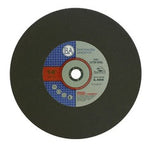
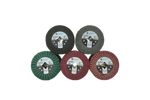
Cutting wheels or cut-off wheels are bonded abrasive wheels. Cut-off Wheels are made of high-quality (coarse or medium) abrasive grain for general-purpose cutting of stainless steel, carbon steel, aluminum, and other metals. Cut-off wheels have different applications and structures than grinding wheels.
Cut-off wheels cut small material workpieces at 90-degree angles, whereas grinding wheels grind large material workpieces at a low angle. As a result, cut-off wheels are quite thinner than grinding wheels.
A thin cut-off wheel produces less waste and provides sharp, clean, and accurate cuts. The cut-off wheel (having aluminum oxide grain with 60 and 46 grit) is suitable for cutting ferrous metals like steel and iron with minimum burring.
Using cut-off wheels is a more efficient and effective method for cutting plain carbon, metal alloys, and hardened steel. Cut-off wheels offer a range of benefits compared to other cutting tools.
What are Cut-off Wheels Used For?
Metal fabrication and industrial cutting need the use of cut-off wheels. Cutting metal sheets and steel pipes and removing rust, paint, and weld spatter are other applications of cut-off wheels.
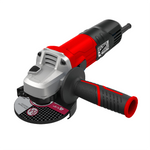
Hand-held power tools are used with the cut-off wheel to cut into tough materials, including concrete, stone, ceramic tile, and metal alloys. When it comes to widely using hand-held tools for cut-off wheels most preferable machines are an angle grinder, chop saw, or a die grinder for effective cutting.
In general, 4 1/2 cut-off wheels are preferred for a seamless clear-cut with less flexibility. These 4.5-inch cut-off wheels are ideal for cutting metal sheets, manufactured steel, iron pipes, and metal stock.
Types of Cut-Off Wheels
Type-1, Type-27, and right-angled or depressed center are the common types of cut-off wheels. Let’s know some popular cutting wheels along with their uses:
Type-1 Cutting Wheel
A type 1 or Type 41 is the most efficient flat cut-off wheel. It is commonly used for the general cutting of metals. Type-1 cutting wheels have a larger cutting surface and less interference with the workpiece because it doesn't have a depressed center. These wheels are utilized with angle grinders, die grinders, and chop saws (high-speed or stationary saws).
Type-27 Cut-off Wheel
A type 27 or type 42 is a depressed center cut-off wheel. For tight or narrow cutting, a depressed center provides more space but also restricts the cutting power of the wheel, especially around corners. Type 27 cut-off wheel is most suitable with the right-angle grinders.
Right Angle Cut-off Wheel
The right-angle cut-off wheel is a multi-purpose cutting wheel. These wheels are used to cut concrete, aluminum, steel, tile, stone, angle brackets, metal studs, and other general materials.
Depressed Center Wheel
A depressed center wheel is mainly utilized for smoothing welds, notching, beveling, and cutting pipe and stone materials.
Small Diameter Reinforced Wheel
Small-diameter reinforced wheels are mainly used with angle grinders to cut small metal surfaces efficiently.
Circular Saw Reinforced Cut-off Wheel
A circular saw-reinforced wheel is used for almost all metal deburring. They are mainly utilized by the construction industries for cutting building materials.
Applications of Cut-off Wheels
Cut-off wheels have an important role in enhancing the efficiency and productivity of large-scale metal fabrication industries. These wheels are designed to play a versatile role in cutting, grinding, and notching. Cut-off wheels can be customized according to the needs and applications of the fabrication industry.
Read to know more about the important applications of cut-off wheels.
How to Use a Cut-off Wheel?
How to use a cutting wheel? Following are important tips for using cut-off wheels:
-
Use proper protective equipment such as a PPE kit, safety glasses, face shield, gloves, and a dust mask.
-
Before using cutting wheels, examine any damage or crack.
-
Check the cutting machine speed and do not exceed above maximum rotation speed.
-
Install correct flanges on portable cut-off wheels.
-
At the start, Run the wheel without any workpiece for a minute.
-
Cover the machine wheels from both ends.
-
Cut-off wheels are ideally used only for cutting purposes (not for grinding and deburring).
-
Make 90 degrees angle between the workpiece and the cutting wheel.
-
Keep body parts and clothing away from the cutting wheel.
-
Do not use a damaged wheel guard; replace it with a new one as soon as possible.
-
Use the right method of handling and storage of cut-off wheels.
-
Read manual instructions before using cut-off wheels.
How To Choose The Right Cut-Off Wheel
The following are the essential factors to consider:
-
Material: ensure to select the wheel which is specifically designed for the material you are working. This enables enhanced performance and generates effective cuts.
-
Thickness of the wheel: thickness is a crucial factor when choosing the right cut-off wheels as it affects the durability, cutting speed, and accuracy of the wheel. Thinner wheels are highly suitable for cutting thin metal like sheet metal as these wheels cut faster and generate less heat. However, they are less durable and prone to damage easily. Thicker wheels, on the other hand, are highly suitable for cutting thick materials like concrete and steel bars as they are capable of handling high pressure. However, these wheels are cut slower and generate more heat during the process.
-
Diameter: it also plays a crucial role in choosing cut-off wheels. Ensure that the diameter of the wheel is always compatible with the tool you are using. It also determines the cutting depth. For example, a wheel with a larger diameter cuts too deeply, which is important when working with thicker materials.
Related Article: Best Cut Off Wheel for Steel
The above article is a complete guide to cut-off wheels. Hope you are now fully aware of the cut-off wheel types, uses, and applications.
Join Our Newsletter
Sign up to get the latest on sales, new releases and more …Join Our Newsletter
Sign up to get the latest on sales, new releases and more …Shop Categories
Recent Articles
Featured Products
-
 746 Reviews
4-1/2" x 7/8" T29 Zirconia High Density Flap Disc - 10 pack
$25.19
-
 738 Reviews
4-1/2" x .040 x 7/8" T1 Premium Thin Cut-off Wheel - 25 pack
$20.88
-
 220 Reviews
4-1/2" x 7/8" T27 Zirconia High Density Flap Disc - 10 pack
$25.19
-
 380 Reviews
6" x .045 x 7/8" T1 Premium Thin Cut-Off Wheel - 25 pack
$27.29
-
 123 Reviews
4-1/2" x 1/4" x 7/8" T27 Depressed Center Grinding Wheel - 25 pack
$28.34
-
 55 Reviews
Nonwoven 6" x 9" Scuff, Clean & Finish Hand Pads
$0.83


Blog Categories
- Abrasives
- Sanding
- Grinding Deburring Finishing
- Safety and Cleanliness
- Metal Working
- Selecting Tools And Equipment
- Wood Working
- Art And Design
- Diy Projects
- Industry 4.0
- Buffing
- Cutting Tools
- Carbide Burrs
- PPE
- Wire Brushes
- Bonded Abrasives
- TIG Electrodes
- Wire Wheels
- Bits
- Diamond Blades
- Power Brushes
- Product Reviews
- Grinding
- Finishing
- Industrial Cleaners