




























What is the Best Sanding / Grinding Belt for Metal

For finishing and smoothing metal surfaces, a decent sanding belt is essential. Without one, the cycle is long and strenuous, also almost incomprehensible. However, selecting the best sanding belts for metal can be challenging since there are countless Sanding Belts and brands.
Any grating can be utilized for sanding or granulating metal; however various metals and tasks improve a few abrasives than others. We will assist you with figuring that out in this post.
Sanding or granulating aluminum requires various materials and methods than sanding or pounding copper because the metals have one-of-a-kind properties.
- Aluminum Oxide (AO): Successful on all metals including aluminum, metal, chrome, impeccable, bronze, copper, titanium, and so forth.
- Silicon-Carbide (SC): For non-ferrous metals and milder metals like aluminum and metal.
- Zirconia-Alumina (ZA): Utilized for spotless and intense metals.
- Ceramic Alumina (CA): Best for pure and intense metals.
Best Sanding/Grinding Belts for Metal

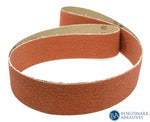
Ceramic Sanding Belts
These are superior modern grade ceramic metal sanding belts, making them ideal for rock-solid metal sanding, weld expulsion, and the deburring of ferrous metal. We feel that it is perhaps the ideal choice since it is an item pack, which means it accompanies different cornmeal; the pack incorporates 120, 180, and 220 coarseness belt sanders. This is remarkable because it implies you have numerous choices accessible for various undertakings. On top of this, the earthenware grain has extraordinary properties that stretch out its slicing life to more prominent lengths, and the topcoat decreases heat development, and the X-Flex backing is incredibly tough. At last, it's very reasonable to get three belts.
- Accompanies three belts of various cornmeal
- Clay belts keep going quite a while
- Less hotness development while crushing
Read More: Ceramic Vs. Zirconia Sanding Belts
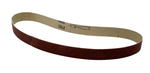
Zirconia Sanding Belt
Zirconia sanding belts are fantastic for the metalworking, making them probably the best sanding belts for blade honing. Additionally, these belts specifically are from the trustworthy Red Label Abrasives organization. These 6 x 4b inch belts arrive in a pack of four, with 40, 60, 80, and 120 coarseness belts accessible to address different issues. All of this is at a genuinely reasonable cost. Concerning extraordinary elements, bi-directional tape joints permit the belts to run one way, the exceptional topcoat pounding considers less hotness development, and it tends to be utilized with any belt processor that is viable with 6 x 48 inch sanding belts. Ideal for crushing metal of practically any sort, these zirconia belts keep going quite a while and hone easily.
- Zirconia is the second-longest enduring sanding belt material
- Amazing for honing blades and pounding metal
- Different belts of various cornmeal at a reasonable cost
What to Consider When Choosing a Sanding Belt for Metal
Selecting the right sanding belt for metal has a significant impact on the final clean and professional appearance. Whether you're grinding, deburring, or polishing, knowing a few key points will ensure you choose the most efficient abrasive belt for your project.
1. Type of Material
Different abrasive materials are used for various applications. Aluminum oxide belts are ideal for use with soft metals such as brass and aluminum. In contrast, zirconia and ceramic belts are ideal for cutting stainless steel or hard alloys, as well as for aggressive cutting.
2. Grit Size
The sanding grit number indicates how coarse or fine the sandpaper is. Coarse grits (24–60) remove heavy material or rust quickly, while medium grits (80–120) are ideal for blending and smoothing surfaces. Fine grits (150–400) give that polished, refined finish.
3. Belt Size and Machine Compatibility
Always check the belt size that is suitable for your sander or grinder model to get even wear and optimal performance. Using the wrong size can cause tracking issues and reduce the belt's sharpness.
4. Heat Resistance and Durability
If you plan to do a lot of sanding, go for the belts with heat-resistant coatings or cooling agents. These will not only prevent the belts from overheating but also ensure that they continue to perform at their best throughout the time.
Taking the mentioned factors into consideration, you will be able to increase the life of your sanding belts, thus achieving.
Benchmark Abrasives sanding belts are durable, high-quality, and give perfect finish on the metal. For any query concerning grinding or sanding belts, contact us.
Join Our Newsletter
Sign up to get the latest on sales, new releases and more …Join Our Newsletter
Sign up to get the latest on sales, new releases and more …Shop Categories
Recent Articles
- Resin Fiber Discs: Proper Storage and Handling Techniques
- Sanding Belt Safety Tips: Best Practices for Safe Operation
- 1X30 Sanding Belts for Metalworking & Knife Making
- Why Sanding Belts Stop Cutting Efficiently
- Best Sanding Discs for Automotive Paint Preparation
- How to Change Sandpaper on a Drum Sander
- Sanding Drums for Metal, Finishing, and Deburring
- Sanding Disc Accessories: Backing Pads & Disc Tools
- Random Orbital Sander
- Ways to Remove Rust from Metal
Featured Products
-
 746 Reviews
4-1/2" x 7/8" T29 Zirconia High Density Flap Disc - 10 pack
$25.19
-
 738 Reviews
4-1/2" x .040 x 7/8" T1 Premium Thin Cut-off Wheel - 25 pack
$20.88
-
 220 Reviews
4-1/2" x 7/8" T27 Zirconia High Density Flap Disc - 10 pack
$25.19
-
 380 Reviews
6" x .045 x 7/8" T1 Premium Thin Cut-Off Wheel - 25 pack
$27.29
-
 123 Reviews
4-1/2" x 1/4" x 7/8" T27 Depressed Center Grinding Wheel - 25 pack
$28.34
-
 55 Reviews
Nonwoven 6" x 9" Scuff, Clean & Finish Hand Pads
$0.83


Blog Categories
- Abrasives
- Sanding
- Grinding Deburring Finishing
- Safety and Cleanliness
- Metal Working
- Selecting Tools And Equipment
- Wood Working
- Art And Design
- Diy Projects
- Industry 4.0
- Buffing
- Cutting Tools
- Carbide Burrs
- PPE
- Wire Brushes
- Bonded Abrasives
- TIG Electrodes
- Wire Wheels
- Bits
- Diamond Blades
- Power Brushes
- Product Reviews
- Grinding
- Finishing
- Industrial Cleaners