
























Can A Belt Sander Be Used On Metal
Metalworkers regularly use sanders and grinders to remove extra material, metal deformities, and sharp edges. While working on newly developed projects or items, you may not always know the optimum tool or machine for your application. Effectiveness and safety are top objectives when handling metal and abrasives. When using abrasives, the aim is to remove material from the workpiece. Different machines operate better in your shop depending on the size of your work item. This depends on how much material needs to be removed and the required speed of operation.
A portable power tool known as a sander is used to clean, polish, or smooth a surface, such as metal, plastic, or wood. Additionally, surfaces can be roughed up with a sander before finishing. We'll discuss metal sanders in this article.
What is a Belt Sander?
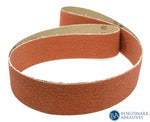
A belt sander or strip sander is a sander used for shaping and finishing metal and other materials. An electric motor turns a pair of drums with an endless sandpaper loop fixed on them. Portable belt sanders can be used to move the material over them, or fixed, permanent belt sanders can be utilized to move the material to the sanding belts. Bench sanders are stationary belt sanders positioned on a workbench.
Non-ferrous metals like aluminum are removed with stationary belt sanders. Grinding wheels are useless for soft metal grinding because they jam with non-ferrous materials. Because the narrow grooves in the sandpaper are expanded as they go around the driving wheel arc, belt sanders are less likely to clog.
Advantages of Using a Belt Sander
The following are the benefits of using a belt sander-
1. Easy To Use
Compared to other methods, a belt sander is one of the fastest ways to sand large surfaces. Belt sanders give metals the ideal finishing touch and are quick and easy to operate. If belt sanders are used correctly, they can shape smooth surfaces with less work. It is essential to keep the belt sander straight, prevent it from tilting, and apply light pressure while using it. Since belt sanders are rigid, you need to take care of them.
2. Belt Sanders Clean Up Waste
Paint or residue can often be difficult to remove. However, using a belt sander can solve this issue. It eliminates undesirable material while preserving the surface finish.
3. Material Shaping and Stock Removal
More than just finishing, belt sanders are also great for rapid material removal. Their aggressive sanding action makes them ideal for quickly removing high spots on metal workpieces, shaping contours, or beveling edges. This feature makes the early stages of fabrication much faster, allowing you to achieve the look you want faster than with less powerful tools. This makes them valuable for jobs that require a significant amount of material reduction before moving on to the finer finishing steps.
4. Versatility in Abrasives
The effectiveness of a belt sander on metal is also greatly enhanced by the wide range of abrasive belts available. You can easily replace belts with different grit sizes and materials (such as aluminum oxide, zirconium, or ceramic) for different tasks – from heavy stock removal with coarse grits to fine polishing with high-grit belts. This adaptability ensures optimal performance on a variety of metals and desired finishes, making the belt sander a truly versatile tool in any metalworking shop.
5. Wide Variety Of Uses
Belt sanders are typically used to add final touches to woodwork, metal, and flooring. Belt sanders are used for tasks like burr removal and corner smoothing that demand time and attention. A belt sander can also be used to refurbish old furniture and remove wood stains. Furthermore, some belt sanders have dust collection bags, saving you the hassle of doing it yourself.
Types of Belt Sanders Used on Metal
1. Large-Belt Sanders
Wide belt sanders use abrasives on the surface of a metal sheet or plate and are typically used by larger companies. Elite offers machines with 25" to 52" widths. This particular machine's conveyor feeds the metal through while a drum and sanding belt smooth down the top surface. The drum and belt are typically oscillating. This guarantees more consistent sand and lowers the chance of scratching the metal's surface. Wide belt sanders are frequently employed in:
- Large-scale, flat material deburring.
- Slag and dross are removed during plasma cutting.
- Altering a material's thickness slightly.
- Enhancing the surface so it can be welded or finished.
2. Commercial Belt Sanders
Stand-alone vertical belt sanders are essential devices with horsepower ratings of 1 to 20 and belt widths of up to 14". Their adaptability and variety of choices demonstrate their value in any store or company. Typically, the belt is positioned vertically or horizontally between two drums. In both vertical and horizontal variations, the workpiece is stabilized on the table while sanding. Although belt sanders are dry sanders, wet belt sanders slow down workpiece heating. In addition, they produce fewer metal shavings or dust in the air. Commercial belt sanders are excellent for:
- Edge shaping and sanding by hand.
- Small- to medium-sized item deburring.
- Reducing the sharp edges.
- Procedures for high-volume sanding.
- Surface finishing/buffing of the workpiece.
Note: It is not advised to use a sander to remove much material. It is safer and more efficient to use additional tools, such as grinders, saws, plasma torches, etc.
3. Bench/Belt Grinders
Belt grinders offer more freedom when working with small workpieces and components, despite being remarkably similar to belt sanders. Contrary to belt sanders, belt grinders typically employ harsh abrasives in their belts. These belts are constructed of ceramic, silicon carbide, or aluminum oxide. Benchtop equipment with a grinding wheel or disc is commonly known as belt grinders. The belt grinder is also available in handheld versions. Because it's common practice to combine components into a single machine, bench grinders and belt grinders complement one another. These tools are essential in every shop and highly flexible. They are excellent tools for:
- Working with curved or concave material.
- Grinding little parts.
- Sharpening cutting tools, blades, etc.
- The removal of lots of stuff.
- Finishing substance.
- Material deburring.
- Taking Edges Off.
4. Brush Sanders
Brush sanders work like broad belt sanders in that flat material is pushed underneath the sanding/buffing brushes by a feed belt. The brush sander does not use belt or disc abrasives, unlike the devices previously mentioned. Instead, brushes attached to a drum are spun anticlockwise in the direction the material is fed. These brushes may be easily changed out, offering a range of bristle strengths for various materials. Brush sanders are appropriate tools for:
- Removing a few flaws.
- Polishing.
- Directional grain creation.
- Elimination of oxidation/rust.
- Light deburring.
Sanding Techniques
Knowing the proper methods for safe and efficient belt sander usage is essential to getting the best results. Before using the sander, always follow conventional safety precautions such as donning protective clothing, such as gloves and goggles.
When sanding, apply an even motion with the tool to the surface. You should begin by using coarse-grit sandpaper and progress to finer-grit papers until you reach the desired finish. You might need an ultra-fine-grit for delicate finishing on small spots.
Before using any sealants or varnishes, make sure to go over any rough areas or scratches with a finishing pad or hand block using very fine (220–240-grit) paper after achieving the required polish with your belt sander. When you apply your top coat, you will have an even smoother finish free of flaws and variations in texture or color.
Conclusion
One of the simplest ways to achieve smooth results quickly is to use a belt sander. However, just be sure to take safety precautions and learn the proper techniques for the best results.
Join Our Newsletter
Sign up to get the latest on sales, new releases and more …Join Our Newsletter
Sign up to get the latest on sales, new releases and more …Shop Categories
Recent Articles
- Ways to Remove Rust from Metal
- Select the Right Sanding Belt for Your Next Project
- How Humidity Impacts Sanding Belts
- Guide to Industrial Sanding Belts: Applications and Selection Tips
- What is Sandpaper Grit? Your Complete Guide to Understanding Abrasive Particles
- Best Sandpaper for Metal: Guide to Grits, Types and Techniques
- Best Sandpaper for Drywall: Complete Grit Guide for Perfect Finishes
- What Grit Sandpaper to Use for Deck Sanding (Expert Guide 2025)
- How to Sand Concrete: Complete DIY Guide with Expert Tips
- Best Sander for Sheetrock/Drywall: Comprehensive Buying Guide
Featured Products
-
 734 Reviews
4-1/2" x .040 x 7/8" T1 Premium Thin Cut-off Wheel - 25 pack
$20.88
-
 746 Reviews
4-1/2" x 7/8" T29 Zirconia High Density Flap Disc - 10 pack
$25.19
-
 220 Reviews
4-1/2" x 7/8" T27 Zirconia High Density Flap Disc - 10 pack
$25.19
-
 380 Reviews
6" x .045 x 7/8" T1 Premium Thin Cut-Off Wheel - 25 pack
$27.29
-
 123 Reviews
4-1/2" x 1/4" x 7/8" T27 Depressed Center Grinding Wheel - 25 pack
$28.34
-
 54 Reviews
Nonwoven 6" x 9" Scuff, Clean & Finish Hand Pads
$0.83


Blog Categories
- Abrasives
- Sanding
- Grinding Deburring Finishing
- Safety and Cleanliness
- Metal Working
- Selecting Tools And Equipment
- Wood Working
- Art And Design
- Diy Projects
- Industry 4.0
- Buffing
- Cutting Tools
- Carbide Burrs
- PPE
- Wire Brushes
- Bonded Abrasives
- TIG Electrodes
- Wire Wheels
- Bits
- Diamond Blades
- Power Brushes
- Product Reviews
- Grinding
- Finishing
- Industrial Cleaners