
























What are Belt Sanders Used For: Application and Types
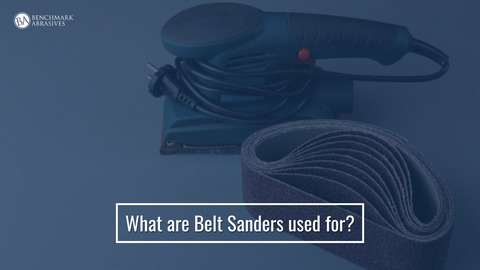
The belt sander is one of the most useful and frequently employed woodworking tools. It can be utilized for tasks such as smoothing uneven surfaces, leveling, and assembling items. Belt sanders use coarse grits and are strong, removing various materials.
What is a Belt Sander?
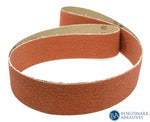
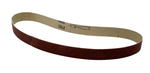
A belt sander is a power tool that uses a continuous loop of abrasive material (a sanding belt) to shape and finish wood or other materials. An electric motor powers it and comes in both stationary (fixed in place) and portable (handheld) models, allowing you to choose the one that best fits your project needs.
The electric motor, two drums, and the sanding belt of a belt sander are its most crucial components. The sanding belt is attached as a loop to the two drums with sufficient tension to prevent slack. As the belt sander is turned on, the drums spin, and the belt spins quickly, allowing material to be removed from a surface.
After the tool has reached your desired speed, you can press the belt against the workpiece to scrape off material. Belt sanders are available in various sizes and can be fixed to a bench, table, or handheld.
Belt Sanders: What Can They Do For You
Belt sanders' primary function is to remove material from a surface. Surfaces can be leveled and smoothed, or enough material can be removed from an object to give it a specific shape. Bench belt sanders are better suited to smaller stocks, whereas portable belt sanders are better suited to wider surfaces and objects. You'll be able to finish the job quickly and easily with either belt sander.
Types of Belt Sanders
Belt sanders are powerful tools to remove material and smooth surfaces quickly. They come in several main types, each of which is suitable for different applications:
- Handheld/Portable Belt Sanders: Ideal for smoothing rough surfaces, removing paint, and shaping wood on furniture or stairs. They are versatile for DIY and small workshop tasks, offering mobility and quick material removal for various projects.
- Stationary Belt Sanders: They are fixed machines, often paired with a disc sander. They're great for aggressive material removal, precise shaping, and grinding of wood, metal, and plastics, offering stability and power for larger workpieces.
- Belt File Sanders: They are small, narrow-belted tools that excel at precision work in tight spots. They're perfect for deburring, grinding welds, and finishing intricate details or corners larger sanders can't reach, giving you fine control.
- Floor Belt Sanders: They are large, heavy-duty machines specifically for refinishing and leveling wooden floors.
- Tube Belt Sanders: Specialized tools for sanding and polishing cylindrical objects like pipes and handrails. They ensure uniform finishes on rounded surfaces, commonly used in metal fabrication and finishing industries for curved materials.
- Wide Belt Sanders: Industrial machines for sanding large flat panels, doors, and furniture components. With wide belts and conveyor systems, they provide high-volume, precise, and consistent finishes for manufacturing large, flat workpieces.
Belt Sanders: Essential for Modern Woodworking
Belt sanders are more crucial than any other tool in today's woodworking, especially with new trends focusing on precision, sustainability, and advanced materials.
For sustainable woodworking, belt sanders efficiently prepare reclaimed and upcycled wood by removing old finishes and imperfections. This helps reduce waste and supports circular economy practices.
They also work hand-in-hand with advanced technologies like CNC machines. While CNCs handle cutting, belt sanders are crucial for final surface preparation, smoothing out tool marks, and refining complex shapes. Their power makes shaping and finishing these denser, modern materials a breeze, keeping belt sanders essential as woodworking evolves.
Applications of Belt Sanders
1. Sanding Large and Flat Areas
Have you got a large project to finish immediately? A belt sander can be helpful if you're remodeling your home, creating a new addition, or doing something similar. Belt sanders are strong machines that remove material from large surfaces.
When you need to remove a lot of material fast, choose a coarse sanding belt with 50 or 80-grit. Afterward, you can move to a 120 or 150-grit sanding belt for a finer and smoother finish. You can use a belt sander at various stages of your project, as you can use it for multiple tasks.
2. Removing Rough Edges
Belt sanders are highly effective at smoothing rough edges and rough cuts. It is essential to gently and uniformly operate the belt sander belt over the object surface to prevent gouges or uneven surfaces.
A belt sander is the most effective tool for smoothing rough edges quickly and easily. It may help you achieve a smooth, polished surface on wood, metal, or plastic. Achieving the desired smoothness will take less time and effort than manually sanding rough edges and surfaces.
3. Furniture Restoration
A belt sander is an excellent piece of equipment for repairing old furniture. By using a sanding belt with a certain coarseness, you can regulate how much material is sanded. With a coarser grinding belt, more material is removed, and the finish is rougher. This makes it suitable for removing polyurethane sealants and stains from wood.
This is a fantastic alternative to completely changing the appearance of your furniture. You can repaint any piece to make it look brand-new again or apply a fresh stain that better suits your tastes.
4. Cabinetry Painting Or Refinishing
A belt sander can save you a ton of time when repainting cabinetry. A belt sander can help you quickly and cleanly update your kitchen by removing paint without harming the wood underneath.
You'll be able to complete a thorough job even though you'll need to remove and disassemble the cabinets before sanding each component. If you don't want to disassemble the cabinets, you can use a small sanding tool. However, you might not be able to remove as much material as you wish.
5. Cleaning Up Stains and Sun Damage
It can be frustrating to have outdoor furniture that is stained or sun-damaged, and it can be tempting to buy updated furniture or rebuild your deck. Most people don't consider using a belt sander for tasks like removing stains and sun damage, but those jobs can benefit from its use. After all, it's a lot less expensive than replacing your furniture or reconstructing your deck. It may restore your outdoor space.
Belt sanders can restore even the most worn-out furniture or deck to its original beauty by swiftly and effectively removing stains, sun damage, and other flaws. However, if you're not careful, you may ruin your deck or furnishings. Therefore, make sure you read the manual and operate the sander properly.
6. Removing Paint and Rust
Woodworkers use belt sanders to smooth a variety of surfaces. The sanding belt removes material quickly and effectively from wood, but metal surfaces can also be sanded with belt sanders. Belt sanders become flexible instruments that can be used, among other things, to restore patio furniture and antique cars.
A belt sander is necessary if you're looking for a weekend project or want to restore a vintage car rusting away in a garage. With a belt sander, you won't need separate tools for each project, allowing you to work on many of them.
7. Updating Decks
A belt sander is one of the most critical items to finish a deck. It can prepare your deck surface for refinishing, restaining, or painting. Using a belt sander, you can quickly remove old paint or stain from your deck.
A substantial handheld belt sander can prepare your deck surfaces quickly. It can effectively remove your deck's old finish or paint. It works faster than other sanding equipment, and it's made for sanding significant areas. As a result, you can reduce the time and work needed to sand your deck.
An excellent belt sander will help you get your deck where you want it sooner rather than later. This is whether you're rebuilding it to give it a completely updated look or just want to brighten it up.
8. Concrete Smoothing
You can use belt sanders on various surfaces due to their versatility. They function best on wood in general. Although not as effective as sanding timber surfaces, they may properly sand concrete surfaces.
A belt sander can be an effective tool to smooth out minor rough spots on a concrete surface. Nevertheless, remember that you probably won't get professional polish because a belt sander isn't as effective on concrete as wood. A belt sander will work if you're in a hurry or don't care about perfection.
However, if you work on a large concrete surface requiring a more refined finish, you'll need a concrete-specific sander, probably one with a diamond-tipped sanding pad.
9. Tool Sharpening
Tool sharpening is one of the many uses for belt sanders, which are adaptable equipment. If you don't have a bench grinder, bench belt sanders are still a great option. This is because they are the next excellent option for this particular task. Use a fine-grit sanding belt to sharpen knives, chisels, and other tools.
You should be aware that using a belt sander to sharpen metal objects can cause sparks. If there are any potential fire dangers around, such as sawdust, this could be hazardous. So, cleaning your work area and removing the dust bag from the belt sander before shaping metal objects is advisable.
Conclusion
A belt sander is among the most valuable tools available for sanding jobs. It is pretty adaptable and may be used for many jobs, such as smoothing rough edges and removing paint or varnish. In a wide range of applications, it can also level uneven surfaces.
Join Our Newsletter
Sign up to get the latest on sales, new releases and more …Join Our Newsletter
Sign up to get the latest on sales, new releases and more …Shop Categories
Recent Articles
- Ways to Remove Rust from Metal
- Select the Right Sanding Belt for Your Next Project
- How Humidity Impacts Sanding Belts
- Guide to Industrial Sanding Belts: Applications and Selection Tips
- What is Sandpaper Grit? Your Complete Guide to Understanding Abrasive Particles
- Best Sandpaper for Metal: Guide to Grits, Types and Techniques
- Best Sandpaper for Drywall: Complete Grit Guide for Perfect Finishes
- What Grit Sandpaper to Use for Deck Sanding (Expert Guide 2025)
- How to Sand Concrete: Complete DIY Guide with Expert Tips
- Best Sander for Sheetrock/Drywall: Comprehensive Buying Guide
Featured Products
-
 734 Reviews
4-1/2" x .040 x 7/8" T1 Premium Thin Cut-off Wheel - 25 pack
$20.88
-
 746 Reviews
4-1/2" x 7/8" T29 Zirconia High Density Flap Disc - 10 pack
$25.19
-
 220 Reviews
4-1/2" x 7/8" T27 Zirconia High Density Flap Disc - 10 pack
$25.19
-
 380 Reviews
6" x .045 x 7/8" T1 Premium Thin Cut-Off Wheel - 25 pack
$27.29
-
 121 Reviews
4-1/2" x 1/4" x 7/8" T27 Depressed Center Grinding Wheel - 25 pack
$28.34
-
 54 Reviews
Nonwoven 6" x 9" Scuff, Clean & Finish Hand Pads
$0.83


Blog Categories
- Abrasives
- Sanding
- Grinding Deburring Finishing
- Safety and Cleanliness
- Metal Working
- Selecting Tools And Equipment
- Wood Working
- Art And Design
- Diy Projects
- Industry 4.0
- Buffing
- Cutting Tools
- Carbide Burrs
- PPE
- Wire Brushes
- Bonded Abrasives
- TIG Electrodes
- Wire Wheels
- Bits
- Diamond Blades
- Power Brushes
- Product Reviews
- Grinding
- Finishing
- Industrial Cleaners