




























Can You Put a Sanding Disc on an Angle Grinder? Safety Guide from Industry Experts

When you are staring down a DIY project, whether it’s metal fabrication or removing stubborn rust with a handheld wire brush, you might wonder about the versatility of your power tools. Specifically, if you own an angle grinder, a common question that comes to your mind is: Can you put a sanding disc on an angle grinder?
The simple answer is, yes, you can put a sanding disc on an angle grinder. However, an angle grinder isn't always the best tool for every sanding job. Knowing how to properly attach and use an angle grinder sanding disc can be a good way to manage your sanding jobs more efficiently. Especially if you are looking to refinish your old furniture or prep a metal surface, knowing the right technique is most important.
Today, we’ll teach you about the types of sanding discs and attachments, important safety considerations, best practices, and useful applications for both metalwork and woodworking.
Understanding Angle Grinders and Sanding Attachments
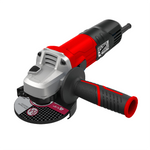
An angle grinder is a power tool used for grinding, cutting, and polishing hard materials, generally metal and masonry. It operates at very high speed, spinning an abrasive disc to quickly remove material, cut through steel, or deburr edges. The sheer power and RPMs are what make it so effective for these heavy-duty tasks. However, the design of a right-angle grinder—specifically its arbor, where the discs attach—offers adaptability through interchangeable discs for different materials and tasks.
It's important to remember that not all angle grinders are created equal; a small angle grinder might be more handy for some tasks, while a cordless angle grinder is portable. No matter your specific model, the principle of using angle grinder attachments for sanding remains the same. The key is using a backing pad that allows you to securely attach various types of grinding discs. Some modern angle grinders even come with speed control, which is a significant advantage when sanding, allowing for more precise and less aggressive material removal.
Types of Sanding Discs and Attachments
To effectively sand with an angle grinder, you need to understand the different types of sanding discs and attachments available. Each is designed for specific materials and applications, offering various levels of abrasion.
Fiber Discs and Abrasive Options
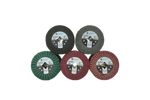
Fiber discs, which are very common, are essentially heavy-duty abrasive paper discs designed for aggressive material removal. They come in different materials such as aluminum oxide, zirconia alumina, or ceramic, each suited for different applications. Aluminum oxide is good for general-purpose work, while zirconia alumina offers longer life and faster cutting on tougher materials like stainless steel.
When selecting an abrasive disc or paper disc, the right selection is most important among various grits. Just like sandpaper, sanding discs are available in different grits:
- Coarse grits (24-60 grit): Removal of heavy material, paint, and rust, or rough shaping.
- Medium grits (80-120 grit): Moderate material removal, smoothing rough surfaces, and preparing for finer grits.
- Fine grits (150-220 grit): Light material removal, fine finishing, and preparing surfaces for painting or staining.
- Very fine grits (320+ grit): For final smoothing and polishing, though less common with angle grinders due to their aggressive nature.
Specialized Sanding Attachments
Beyond standard fiber discs, there are specialized sanding attachment options that significantly enhance the versatility of your angle grinder, such as flap discs and foam pads.
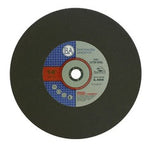
Flap discs are the best attachment for general-purpose sanding with an angle grinder. They consist of several overlapping abrasive flaps. Trusted brands like Benchmark Abrasives offer a cushioned, flexible grinding action that is much smoother than a traditional grinding wheel or fiber disc.
Similarly, foam pads are a specialized attachment to an angle grinder used for polishing and light buffing. Typically, they contain two options: a soft foam buffering pad and a foam buffering pad. These are generally used with a very fine cutting wheel or abrasive discs and polishing compounds to achieve a smoother finish on metal in automotive applications.
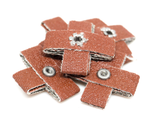
Additionally, to handle contoured surfaces, inch sanding discs can be attached to flexible sanding pads and backing systems, which further enhance the powers of the angle grinder for intricate work.
Safety Considerations and Proper Technique
Like any power tool, using an angle grinder for sanding requires extreme caution. The high RPM of an angle grinder can also make a sanding disc an aggressive tool. Prioritizing safety gear and proper technique is non-negotiable. Always have the safety supplies for your personal care, like eye protection, hearing protection, heavy-duty work gloves, and a dust mask or respirator. Also, avoid loose clothing.
Proper Handling and Technique
Always secure the workpiece with clamps, maintain a firm, two-handed grip, and ensure a stable stance. Keep bystanders at a safe distance and inspect the sanding disc and backing pad for damage before each use.
Speed and Pressure Guidelines
For optimal results, especially on softer materials, use low speeds and apply a light touch. This lets the disc do the work. Avoid excessive pressure because it can lead to faster wear, heat buildup, and poor results. Keep the grinder in constant movement across the surface using a sweeping motion, and hold it at a slight angle (5-15 degrees) when using flap or fiber discs for effective cutting.
Remember, to get good results from the sanding process, proper care and technique will ensure ease of use and a safe experience.
Applications and Project Types
The ability to attach a sanding disc expands the utility of your angle grinder significantly, making it a viable option for various projects, particularly where aggressive material removal or surface preparation is required.
Metalwork Applications
Angle grinders are exceptionally useful for sanding in metalwork. They excel at metal surface preparation, quickly removing mill scale, rust, corrosion, and old coatings with a flap disc or fiber disc to get surfaces ready for welding, painting, or other treatments. An aggressive grinding disc also makes quick work of stripping old paint from metal, especially on large, flat areas.
Moreover, flap discs are ideal for weld blending, smoothing out rough spots to give metal work a more seamless appearance.
Woodworking Applications
While not ideal for fine woodworking, an angle grinder can be useful for rougher tasks. It's effective for wood surface preparation, quickly removing old stain or old paint from badly discolored decks and fixing significant imperfections.
For the initial stages of furniture restoration, it can strip finishes or deep scratches, but caution is needed as it's aggressive and can easily gouge wood, making it unsuitable for delicate or precise work.
Angle grinders are also good for quickly shaping and deburring rough wood, removing splinters, and chamfering edges. Some users even use specific attachments for ceramic tile grout removal, which involves a similar abrasive action.
Always use a light touch when working on wood. A low-end angle grinder without speed control can easily burn or damage wood if not used with extreme care.
Comparing Angle Grinders to Other Sanding Tools
While an angle grinder offers impressive versatility for sanding, it’s essential to understand when to choose dedicated sanders for the best results. When comparing functions, an angle grinder is certainly an aggressive tool. Its high RPM is perfect for rapid material removal on metal or rough wood, but this speed can be a significant limitation for achieving a smooth, refined finish.
For tasks requiring precision and a swirl-free finish, tools like a random orbital sander or palm sander are considerably superior. A belt sander, on the other hand, specializes in quickly leveling large, flat surfaces, a job an angle grinder would struggle to do evenly. For flooring projects, a floor sander or drum-type floor sander is the only suitable option, as an angle grinder is simply not designed for such extensive, flat surface work.
While an angle grinder can handle some sanding, it's usually not the best tool for the job. Its only advantage for sanding is its power and how it works into tight spots compared to bigger types of grinders. But for most sanding projects, dedicated hand tools and first electric power tools like random orbit sanders give you much more control, a smoother finish, and less mess.
When it comes to cost considerations, a low-end angle grinder might seem like a better deal than a dedicated sander upfront. But think about it: you might end up buying lots of sanding attachments and spending more time fixing mistakes. Because of this, a specialized sander often saves you money over time, especially for specific jobs.
While a drill grinder rotary tool is also versatile, it's much smaller. It's excellent for detailed work, which is a different use case than the heavy-duty tasks an angle grinder can handle.
Best Practices and Sanding Tips
To achieve the best result during the sanding process with an angle grinder, the technique is the most crucial factor. Also, to avoid burn marks and gouges, keep the tool constantly moving. For shaping or more aggressive material removal, you can carefully use the outer edge of the disc by tilting the grinder slightly, but be cautious to prevent digging in too much.
Avoid applying excessive pressure; if the disc isn't cutting, it's likely the wrong grit, worn out, or you're not at the correct angle. This ensures you don't take a long time to complete tasks or cause imprecise removal. Regular maintenance is also crucial. Keep discs clean to prevent clogging, which can take much time to clear if neglected. Always practice on scrap material to get a feel for the tool's aggressiveness if you're new to it.
Common mistakes to avoid include using the incorrect grit, which can lead to a slow sanding process or may also damage the workpiece, and applying too much pressure, causing premature disc wear and a poor finish. Consider using essential safety gear before you start sanding with an angle grinder.
The Verdict: Sanding with an Angle Grinder
So, can you put a sanding disc on an angle grinder? Absolutely! It's a versatile option for your power tools. While an angle grinder isn't the best tool for every sanding job, especially fine woodworking, it can be a good way for material removal, rust stripping, paint removal, and weld blending on metal. For rough initial sanding on wood, it can also be effective, but with extreme caution and the right technique.
Ultimately, an angle grinder with a sanding disc is better suited to jobs where speed and high force are required rather than precision and a delicate touch. Always prioritize safety, understand the limitations, and choose the right angle grinder discs for the material.
Join Our Newsletter
Sign up to get the latest on sales, new releases and more …Join Our Newsletter
Sign up to get the latest on sales, new releases and more …Shop Categories
Recent Articles
- Resin Fiber Discs: Proper Storage and Handling Techniques
- Sanding Belt Safety Tips: Best Practices for Safe Operation
- 1X30 Sanding Belts for Metalworking & Knife Making
- Why Sanding Belts Stop Cutting Efficiently
- Best Sanding Discs for Automotive Paint Preparation
- How to Change Sandpaper on a Drum Sander
- Sanding Drums for Metal, Finishing, and Deburring
- Sanding Disc Accessories: Backing Pads & Disc Tools
- Random Orbital Sander
- Ways to Remove Rust from Metal
Featured Products
-
 746 Reviews
4-1/2" x 7/8" T29 Zirconia High Density Flap Disc - 10 pack
$25.19
-
 738 Reviews
4-1/2" x .040 x 7/8" T1 Premium Thin Cut-off Wheel - 25 pack
$20.88
-
 220 Reviews
4-1/2" x 7/8" T27 Zirconia High Density Flap Disc - 10 pack
$25.19
-
 380 Reviews
6" x .045 x 7/8" T1 Premium Thin Cut-Off Wheel - 25 pack
$27.29
-
 123 Reviews
4-1/2" x 1/4" x 7/8" T27 Depressed Center Grinding Wheel - 25 pack
$28.34
-
 55 Reviews
Nonwoven 6" x 9" Scuff, Clean & Finish Hand Pads
$0.83


Blog Categories
- Abrasives
- Sanding
- Grinding Deburring Finishing
- Safety and Cleanliness
- Metal Working
- Selecting Tools And Equipment
- Wood Working
- Art And Design
- Diy Projects
- Industry 4.0
- Buffing
- Cutting Tools
- Carbide Burrs
- PPE
- Wire Brushes
- Bonded Abrasives
- TIG Electrodes
- Wire Wheels
- Bits
- Diamond Blades
- Power Brushes
- Product Reviews
- Grinding
- Finishing
- Industrial Cleaners